Sheet Metal Materials Guide: Choosing Steel, Stainless, Aluminium and Copper
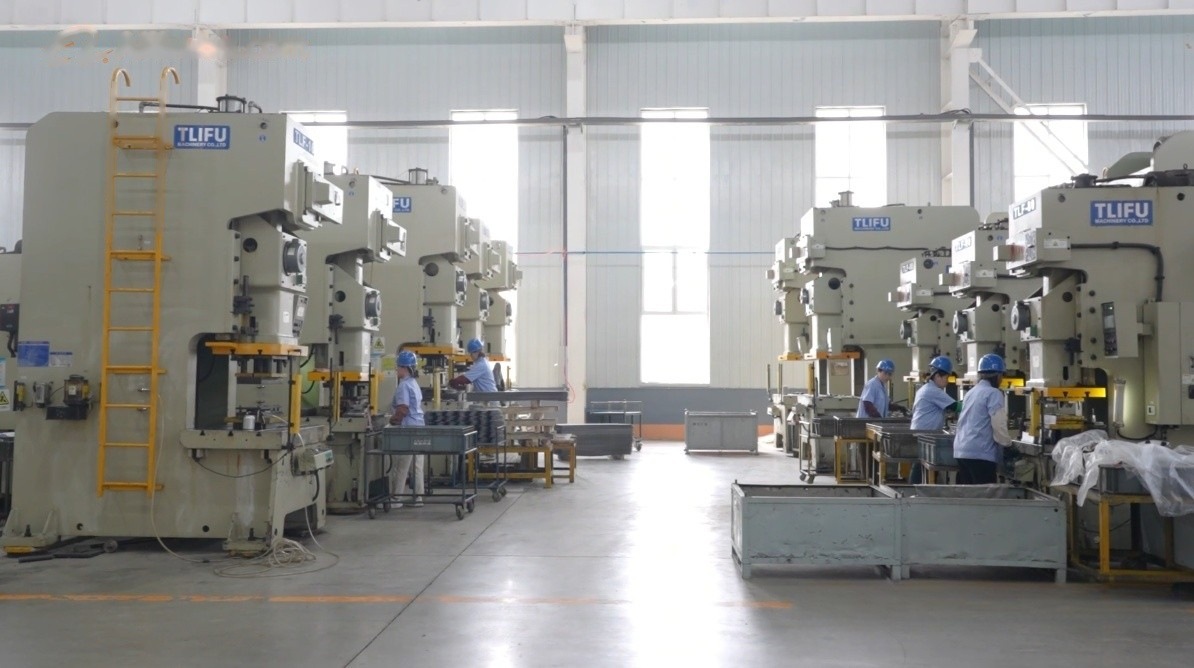
Most sheet metal parts fail before they are made — at the material selection step. Choose a grade that is too soft and the part flexes in service; too hard and it cracks in the press brake; too exotic and the cost balloons for a property you never needed. This guide walks through the common sheet metals we fabricate every week, what each one is actually good for, and the questions to ask before you commit a material to the drawing.
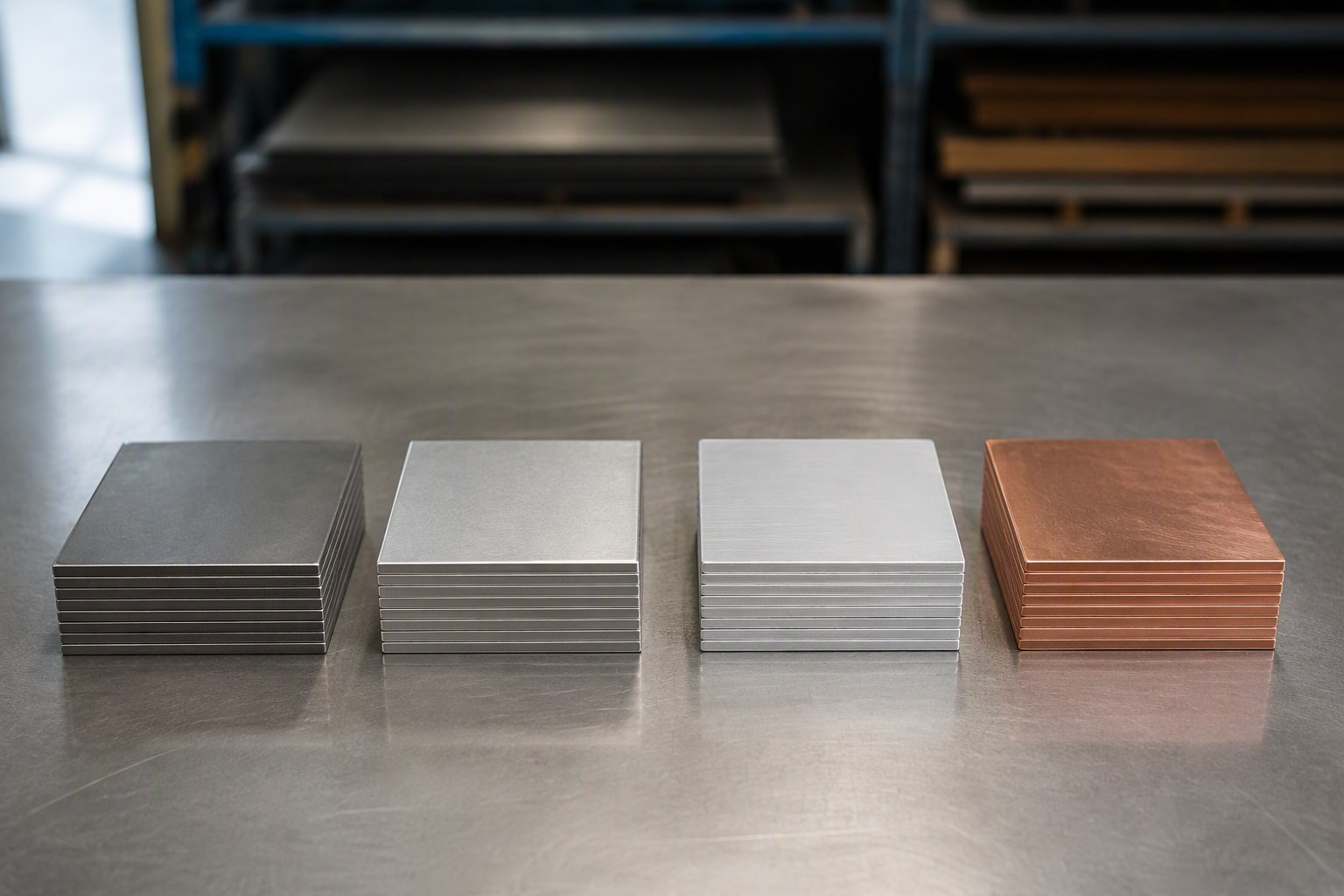
In short: for 80% of sheet metal parts, cold-rolled steel (DC01/SPCC) is the right default; move to stainless where corrosion or hygiene matters, to aluminium where weight matters, and to copper or brass only when conductivity or appearance demands it. The table below is the decision shortcut.
Which Sheet Metal Should You Choose?
| Material | Best for | Watch out for | Typical uses |
|---|---|---|---|
| Cold-rolled steel (DC01 / SPCC) | 80% of general sheet metal work — cheap, formable, paint-ready | Needs a finish to resist rust; not for outdoor without coating | Enclosures, brackets, chassis, guards, cabinets |
| Hot-rolled steel (S235JR) | Heavy structural parts, thick plate | Rougher surface, scale; specify pickling if visible | Machine frames, skid plates, structural brackets |
| Galvanized steel (DX51D / SGCC) | Outdoor and washdown environments without painting | Welding disturbs the zinc coating — plan for touch-up | Outdoor enclosures, BESS cabinets, agricultural parts |
| Stainless 304 | Corrosion resistance + hygiene; food contact standard | Higher cost; nitrogen-assist cutting for clean edges | Food equipment, medical support, indoor corrosive areas |
| Stainless 316L | Salt water, chlorides, coastal and marine service | Costs more than 304; specify 3.1 certificates for traceability | Marine parts, chemical processing, coastal BESS |
| Aluminium 5052 | Forming-heavy parts that need light weight | More spring-back in bending; softer, scratches easily | Electronic chassis, lightweight guards, covers |
| Aluminium 6061 | Machined features + moderate forming | Bendability worse than 5052 at higher tempers | Machined brackets, frames, prototypes |
| Copper / Brass | Conductivity, busbar, aesthetic parts | Cost; heavier; surface scratches during handling | Busbar, terminals, decorative hardware |
What Buyers Get Wrong
- Copying a grade from a similar part — the neighbouring part may carry load, heat or exposure you do not. Specify against your own duty, not a cousin part.
- Stainless everywhere “to be safe” — cost is 3–5× cold-rolled steel. Use 304 only where corrosion or hygiene genuinely applies.
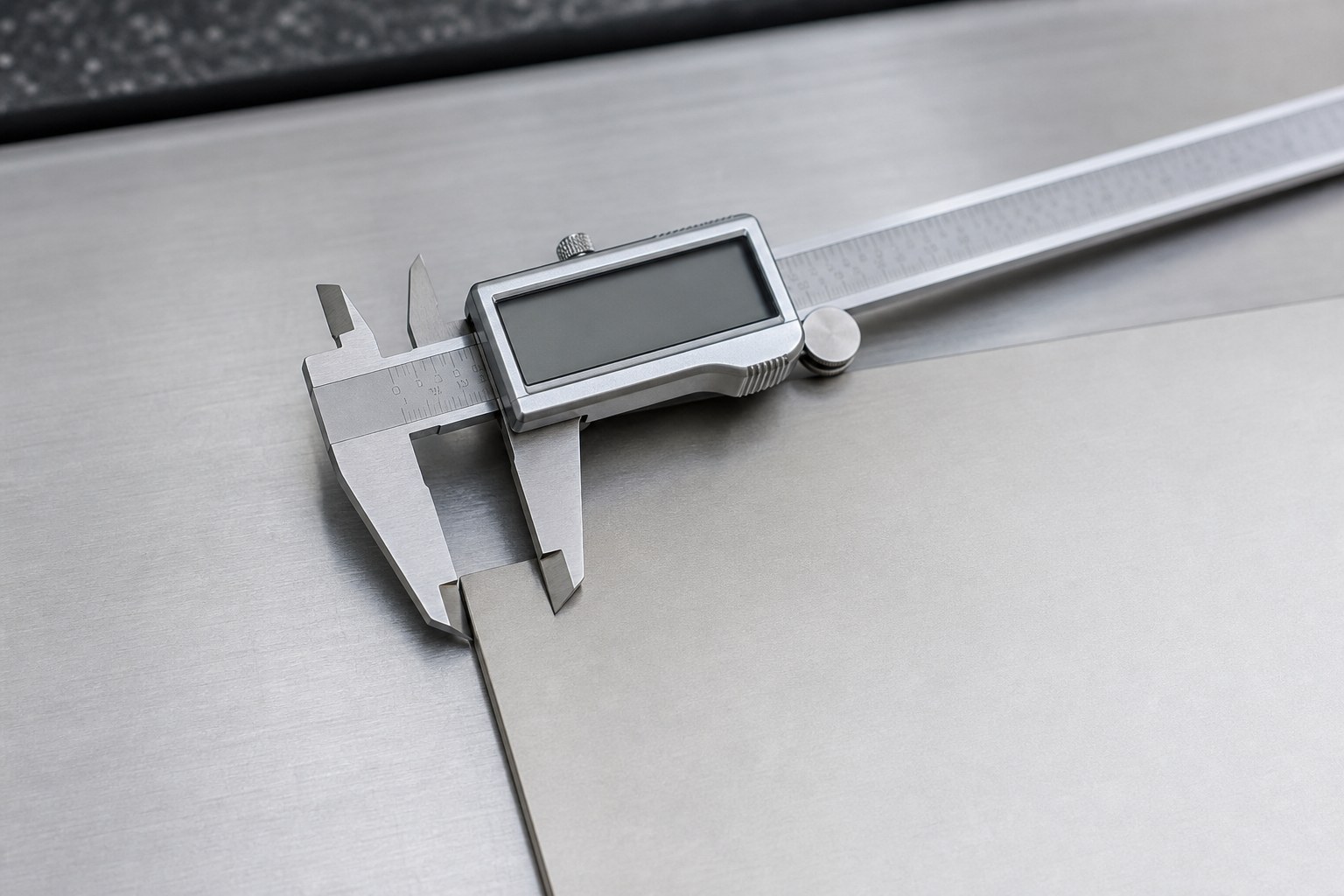
- Ignoring spring-back on aluminium — 5052 bends more softly than steel; bend radii and angles need to be set against the actual temper.
- Forgetting galvanized weld touch-up — welding burns the zinc; plan cold-galv or paint touch-up on welded galvanized joints.
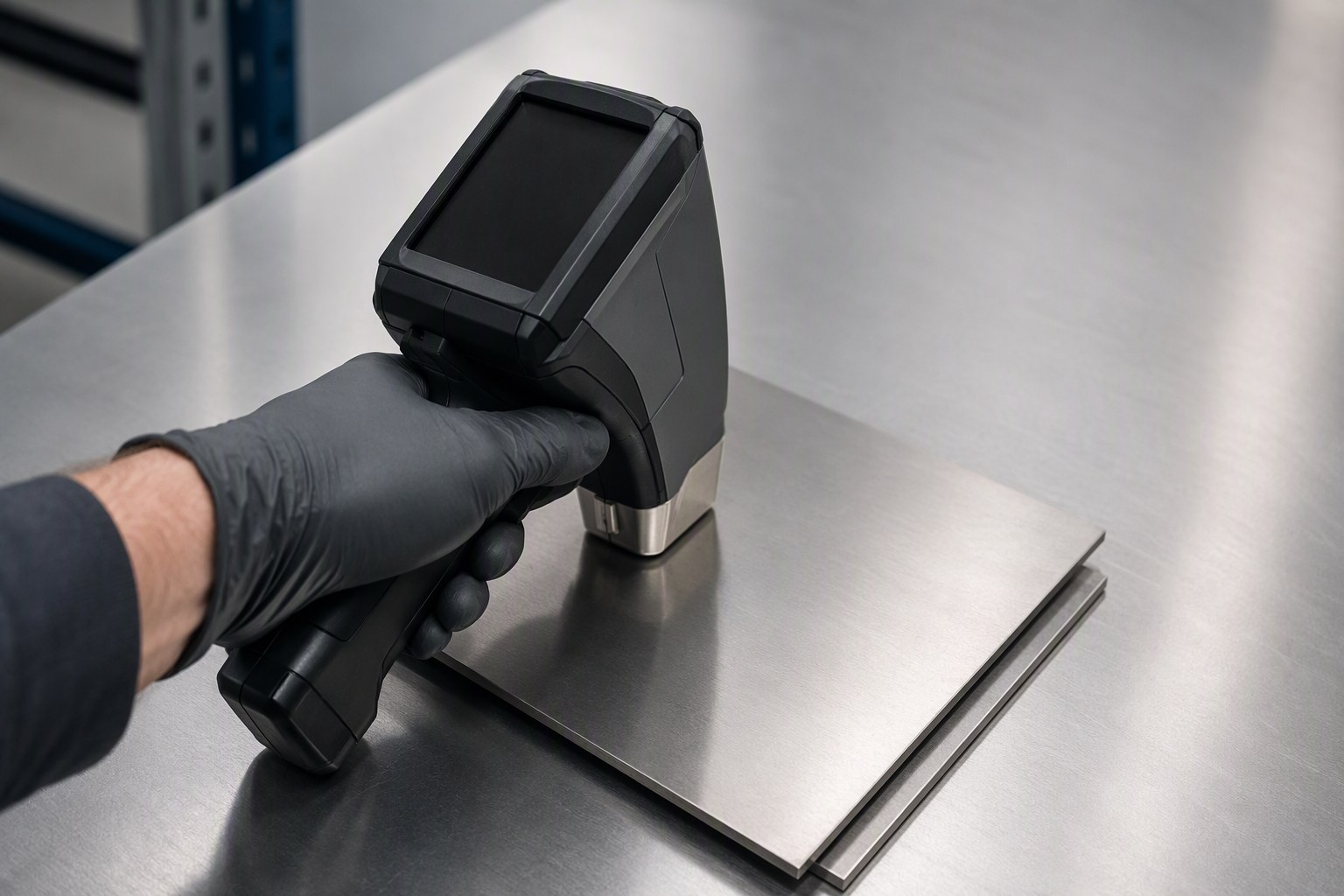
- No material certificate requirement — if your end customer will ever ask, put “EN 10204 3.1 or mill certificate required” on the drawing now, not after shipment.
How We Select Material at XCWY
Every incoming drawing at our Nanpi plant gets a material review before quoting. We check the part against its service environment, forming requirements and finish plan, and flag mismatches in the DFM feedback — for example, a 0.8 mm cold-rolled panel specified for outdoor service without coating, or a 316L part where 304 would do. You get the honest recommendation either way, and the final call stays with your engineering team.
Material Decision Checklist
- Service environment: indoor, outdoor, coastal, washdown, chemical?
- Corrosion requirement: bare, painted, galvanized, stainless?
- Hygiene requirement: food contact, medical, cleanroom?
- Weight constraint: does the part need aluminium?
- Conductivity or appearance: copper, brass, polished stainless?
- Forming complexity: deep draw, tight radii, heavy bend angles?
- Documentation: mill certificates, EN 10204, heat numbers?
- Cost envelope: is the grade justified against the duty?
Not sure which material your part needs?
Send your drawing — an engineer reviews material, tolerance and finish, and returns pricing plus DFM feedback within 3 business hours. MOQ from 1 pc, NDA on request.
FAQ
What is the cheapest sheet metal material?
Cold-rolled steel (DC01/SPCC) is the default low-cost option for indoor parts that will be painted or coated. Hot-rolled steel is cheaper for heavy structural plate where surface finish does not matter.
When should I use stainless instead of cold-rolled steel?
When corrosion resistance or hygiene matters: food contact, medical environments, outdoor exposure without painting, or chemical resistance. Otherwise cold-rolled steel with the right coating is usually the economic choice.
What thickness range do you fabricate?
Production sheet metal runs from 0.3 mm to 6.0 mm, with laser cutting covering carbon steel to 25 mm for heavy plate. The right gauge depends on part size, load and fastener forces.
Do you provide material certificates?
Yes. Stainless steel and aluminium ship with EN 10204 3.1 certificates and heat numbers as standard; mill certificates for carbon steel are available on request.
Can aluminium parts be welded and painted?
Yes — 5052 and 6061 weld well in our TIG bay, and aluminium can be powder coated or anodized. Note that aluminium has more spring-back in forming, so bend radii and angles are set against the actual temper.
Leave a Reply