 LOADING
LOADING
LOADING
Prefer to send a drawing? Use the full RFQ form, email xcwystamping@xcwybj.com or message WhatsApp.
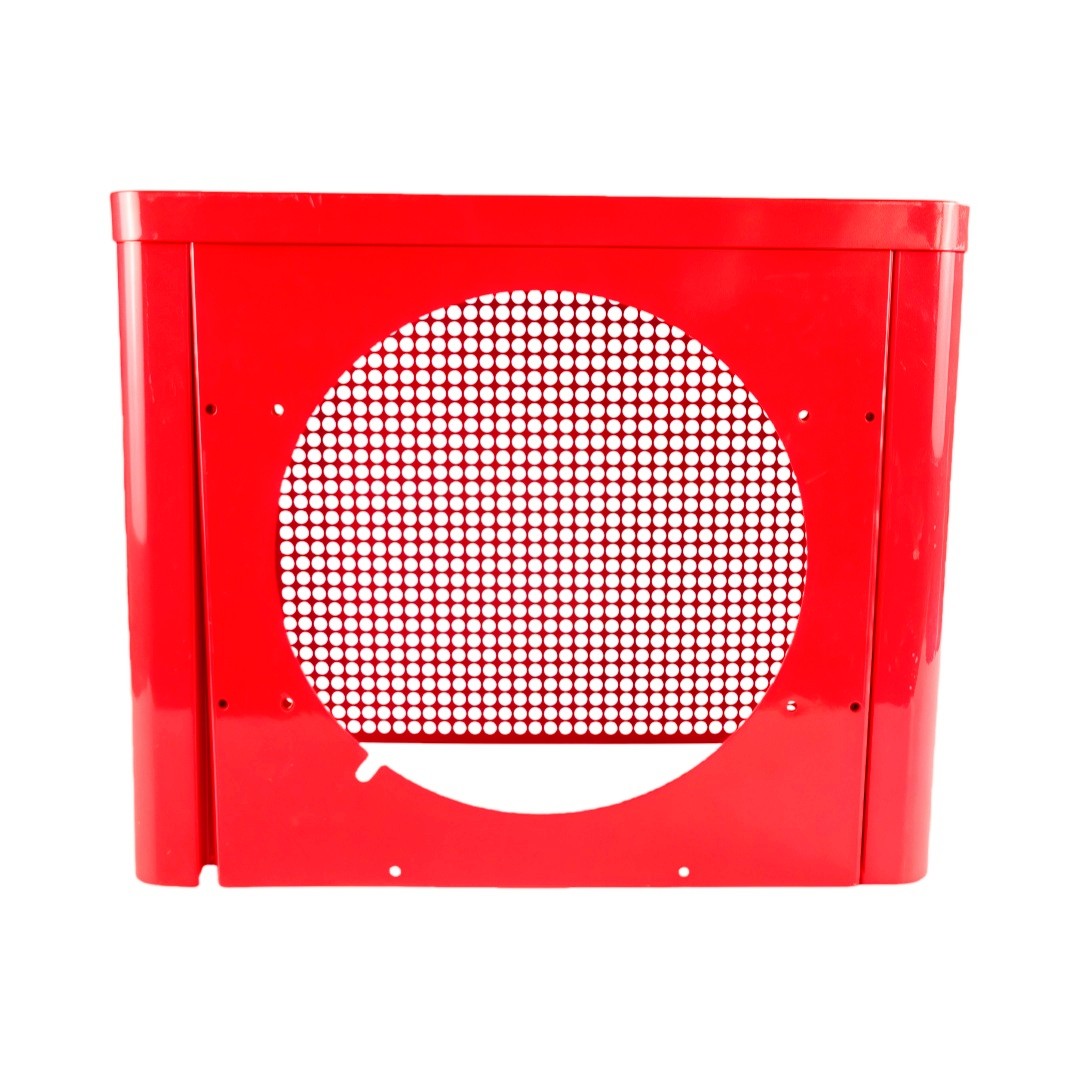
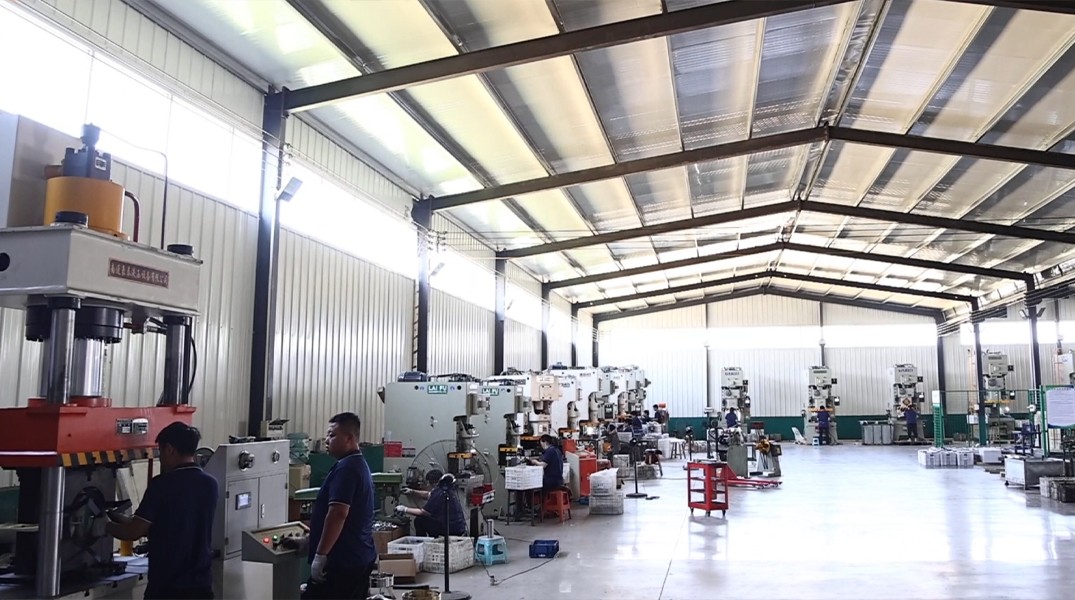
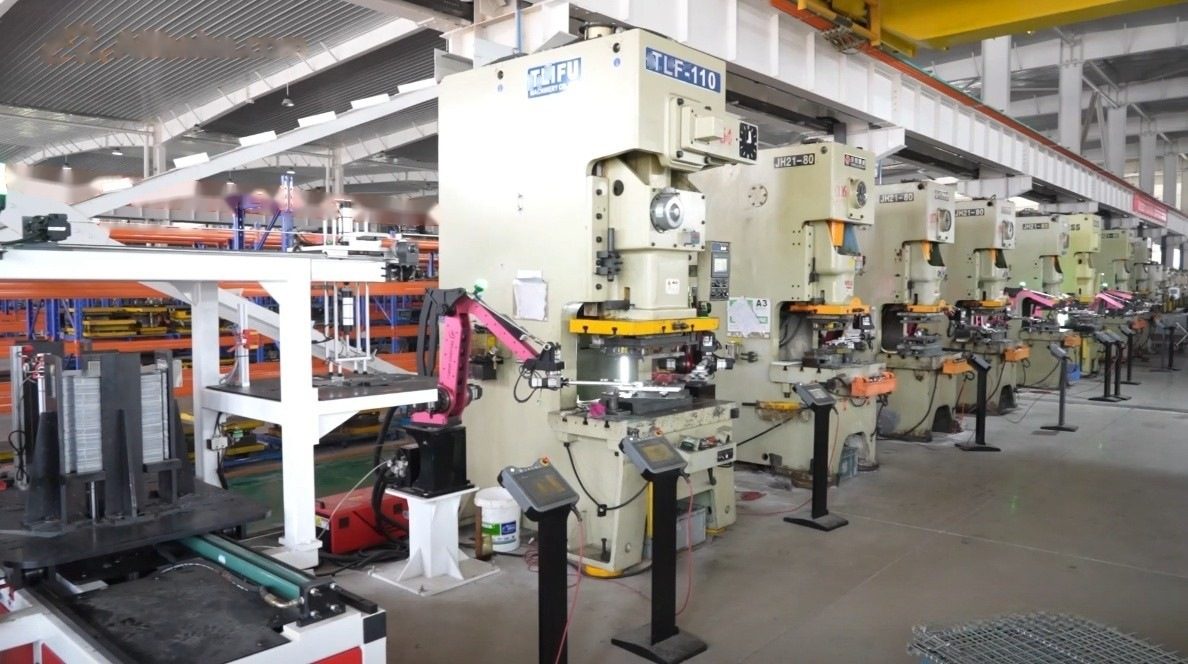
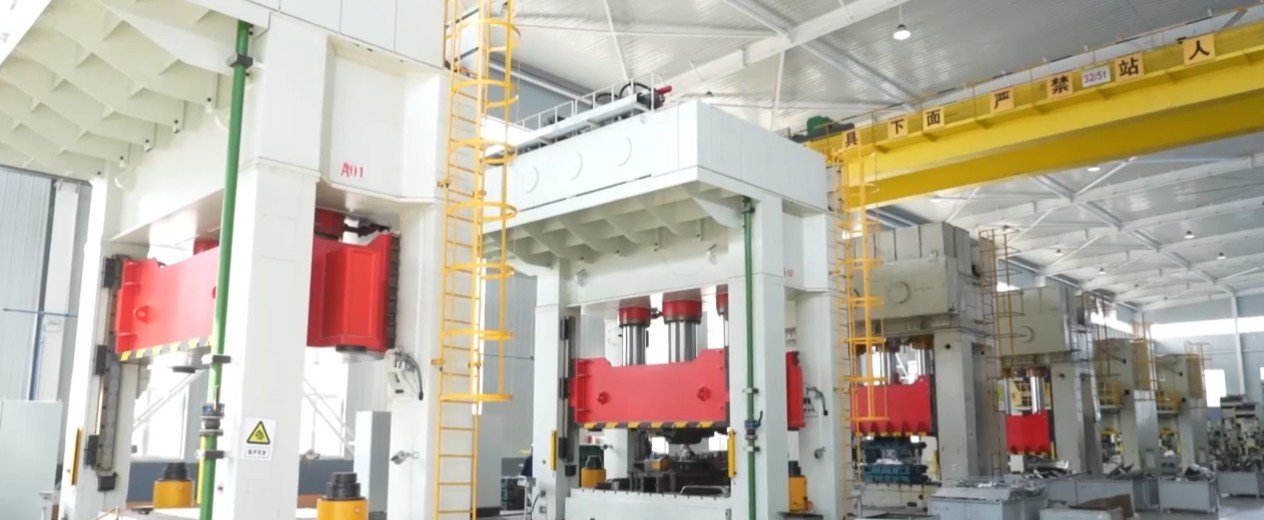
All images below are existing XCWY assets from the factory, production equipment, quality areas or representative custom parts.
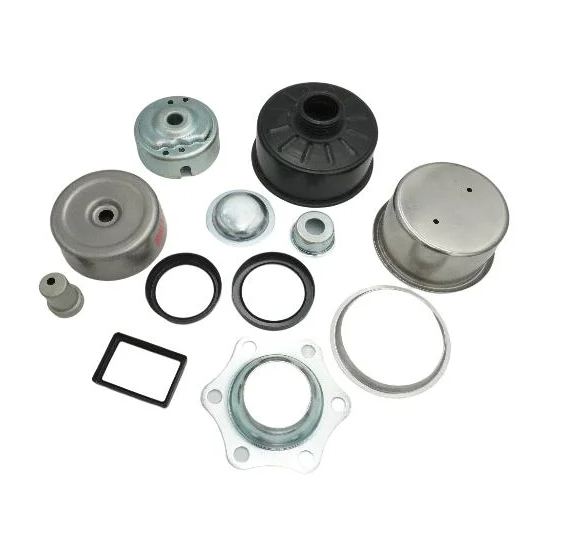
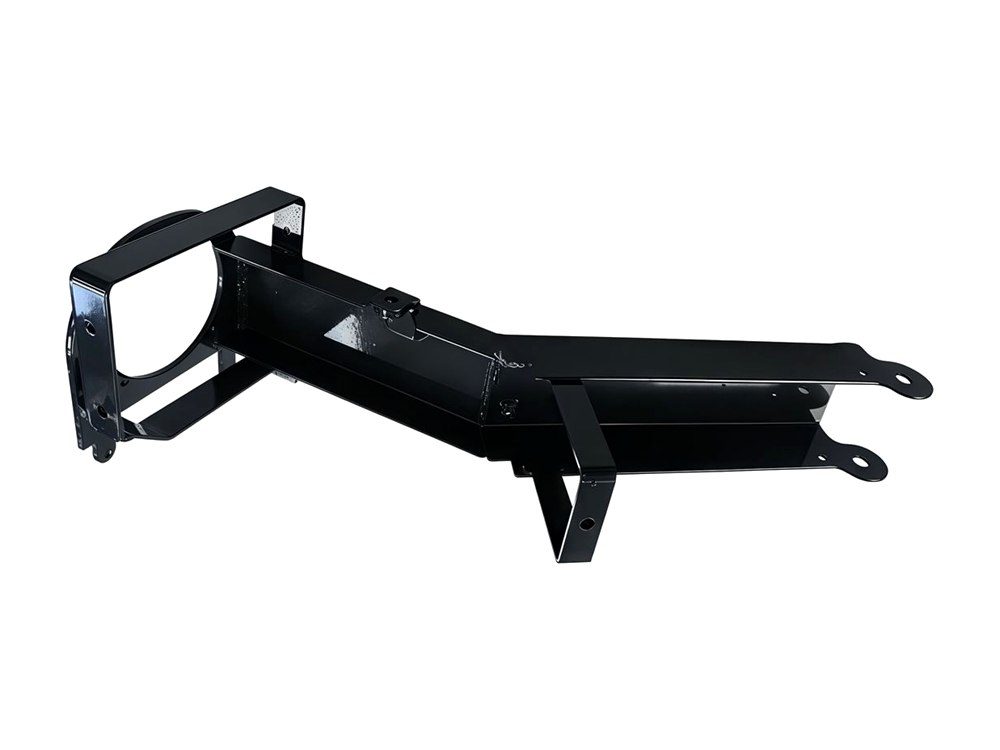
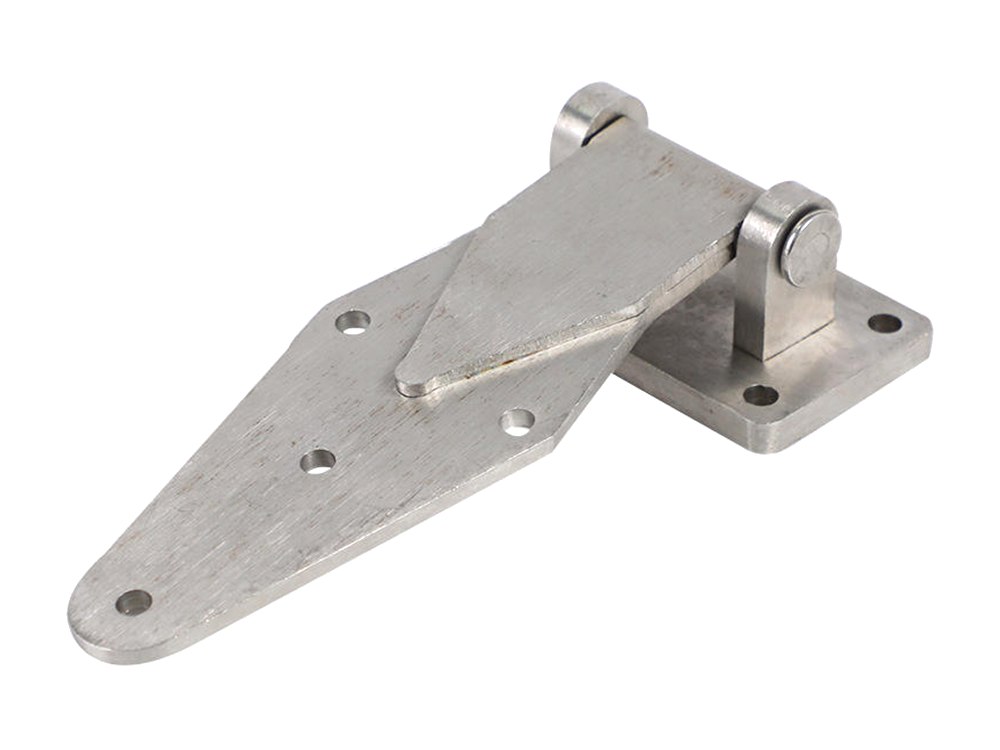
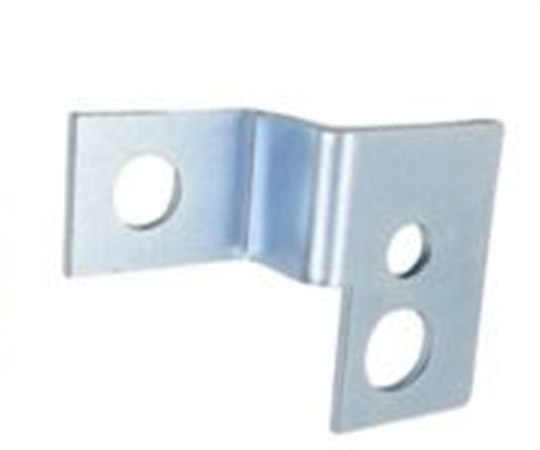
Include material, thickness, quantity, critical dimensions, finish and target date. We will review the manufacturing route before quoting.
Metal stamping in China · ISO 9001:2015 scope · since 1998
Answers to the questions buyers ask most often are collected in our custom metal fabrication FAQ.
Most suppliers quote stamping and then send your die out to a tool shop they do not control. We design, cut, try out and repair our own tooling in the same building as the presses — which is why a die correction here takes days rather than a round trip through someone else's queue.
Stamping rarely ends at the press. Parts need deburring, forming, welding, threading and a finish before they are usable — and every handoff to an outside shop is a place where accountability disappears. All of it runs here.
Stamping is a tooling business before it is a production business. The first three stages decide whether the next five years of parts are cheap or painful.
An engineer looks at geometry, material, annual volume and tolerance, then recommends a tooling route. Progressive costs more up front and far less per piece; single-stage is the opposite. We tell you which your part actually justifies.
Strip layout, station sequence, pilot placement and scrap web are designed in-house. You see the layout before steel is cut.
Cut, assemble, try out, adjust. Corrections happen on our own bench, so a tweak is measured in days.
Sample parts are measured against the print and submitted. Nothing goes to volume until you sign off.
The approved setup, shut height and inspection plan are recorded so the part runs the same next year as it did on day one.
These are the judgements that separate a die that runs for years from one that needs rework after the first production batch. We raise them before quoting, because a die is not a document you can revise cheaply.
A progressive die is the cheapest way to make a hundred thousand parts and the most expensive way to make two thousand. Buyers often ask for progressive because it sounds more capable. We ask for your realistic annual quantity and the expected life of the design first, then quote the route that costs you less overall — sometimes that is a simple single-stage tool.
Steel bends more readily across the rolling grain than along it. A tight bend placed parallel to the grain can crack on the outer fibre even when the radius looks safe on paper. Where a part has bends in two directions we plan the blank orientation deliberately, and if the strip layout forces a compromise we tell you which bend carries the risk.
Blanket ±0.05 mm across a print pushes cost into features nobody measures. We ask which dimensions are functional — the mounting holes, the mating edge, the datum — and concentrate control there. On several parts this alone has removed a secondary machining operation.
Stamping always leaves a burr on the die-exit side. If your part is handled by an operator, seals against a gasket, or slides into an assembly, the side that burr falls on matters. It costs nothing to specify at design stage and is awkward to fix afterwards.
Punches and dies are consumable. A programme that ignores this ends with a sudden quality drift and an emergency. We record shut height and inspection results per run, so wear shows up as a trend on paper before it shows up as a rejected batch.
This review is included with the quotation, whether or not you place the order. A die designed against a wrong assumption costs both of us far more than the engineering hour it takes to question it.
Custom metal stamping is the economical choice when a part is needed in high volume with a stable design: the die cost is amortised over many pieces, and the press cycle delivers parts in fractions of a second rather than minutes of machining. As a rough crossover, stamping tends to beat fabrication and machining somewhere above a few thousand pieces a year for a typical bracket, washer or enclosure panel — but the right answer depends on geometry, material and tolerance. We quote alternative routes on request and show the tooling amortisation, so you can see the crossover for your own quantity rather than accepting a rule of thumb.
Die cost is set by the number of stations, the material of the working surfaces, the precision of the guide system and the complexity of the strip layout — not by the size of the part. A small part with a tight tolerance and four operations can cost more than a large simple blank. Because we design and build tooling in-house, the quotation separates tooling from piece price, and we will recommend a single-stage tool for a modest volume rather than selling you a progressive die you will not amortise. That advice loses us tooling revenue and keeps a customer.
Stamping holds ±0.05 mm on features confirmed at first article, but three things need to be on the print before tooling starts: which dimensions are functional (blanket tolerances push cost into features nobody measures), which side the burr may fall on (it always falls on the die-exit side), and the material grade with its temper, because springback and galling behave very differently in 304 stainless, 5052 aluminium and SPCC steel. Raise these in the inquiry and the die is designed around them; discover them after first article and the correction is measured in weeks.
Check these against your part print before you send it. If your geometry sits outside a limit, say so in the inquiry — a die built against the wrong assumption is an expensive way to find out.
| Press capacity | 25 – 400 ton | Mechanical and hydraulic presses |
| Material thickness | 0.3 – 6.0 mm | Grade and geometry dependent |
| Dimensional tolerance | ±0.05 mm | Achievable; confirmed at first article |
| Tooling types | Progressive, compound, transfer, single-stage | Selected by volume and geometry |
| Die design & build | In-house workshop | Try-out and repair on site |
| Secondary operations | Deburr, tap, weld, machine, finish | Same work order |
| Certified scope | Production and sale of metal stamping parts | Including export |
| Quality system | ISO 9001:2015 | Registration 34025Q30296R0S |
For compound stage dies and production stamping, the economic route depends on annual volume, strip utilisation, station count, tool maintenance, critical features and press capacity. XCWY reviews the part and tooling route together instead of separating the die from production responsibility.
| Press range | 25–400 ton mechanical and hydraulic press capacity |
|---|---|
| Tool routes | Progressive, compound, transfer and single-stage tooling selected by geometry and volume |
| Tool control | Die design, machining, trial and repair coordinated in-house |
| First article | Critical dimensions and formed geometry checked before batch release |
| Production records | Setup, drawing revision and agreed inspection plan controlled under ISO 9001:2015 |
Precision metal stamping is where drawing tolerance, tooling quality and press control meet. XCWY runs 25-400 ton presses with progressive and compound tooling and in-house die support, so the die that produces a part is built, maintained and corrected under the same ISO 9001:2015 production control as the part itself. For buyers who need precision metal stamping services, that means the tolerance question and the tooling question get answered together rather than by two different suppliers.
Tooling is quoted per part once we have seen the geometry, material and annual volume — there is no meaningful figure before that, and any supplier who gives you one has not looked at your print. Ownership terms are agreed in writing with the tooling quotation rather than assumed, so ask the question in your first message and you will get a clear answer.
Progressive tooling moves the strip through several stations in one press cycle — highest tooling cost, lowest cost per piece, best for sustained high volume. Compound tooling performs several operations in one station and suits flat parts needing tight relative position. Single-stage runs one operation at a time with the lowest tooling cost, which is right for modest volumes or a design still being proven. We recommend the route based on your quantity, not on what is most profitable to build.
MOQ starts at 1 piece. Samples can be produced from a single piece, though for stamping the practical first step is usually a first article from the die rather than a one-off.
Yes. Send photographs with the critical dimensions marked, or ship the sample. We will produce a drawing for your approval before any tooling work starts, so both sides agree on what is being made.
±0.05 mm is achievable and confirmed at first article. Material grade, thickness and feature location all affect what is realistic — a hole near a formed feature will not hold the same tolerance as one on a flat face. Tell us which dimensions are functional and we will confirm what we can hold on those specifically.
ISO 9001:2015, registration 34025Q30296R0S, with a scope that names the production and sale of metal stamping parts including export — a narrower and more useful statement than a generic certificate, and one you can verify independently. If your programme is governed by an additional standard, name it in your enquiry and we will confirm in writing what we can meet before you place an order.
Ask for a live video walkthrough of the press hall and die shop and we will arrange one. The photographs on this page are our own floor in Nanpi County, our ISO registration number is published above for independent verification, and our Alibaba.com storefront has been a Gold Supplier for 13 years at a 5.0 / 5 rating. Buyers are welcome to visit.
Send photographs and the measurements taken. If the fault is ours we rework or remake at our cost, and the corrective action goes into the control plan for that part number so it does not repeat. With a die in production, we also check whether tool wear caused it rather than treating the batch as a one-off.
XCWY is a custom metal stamping manufacturer producing stamped parts on 25-400 ton presses with progressive, compound and single-station tooling. Dies are built and maintained in-house, and production runs with first-article approval, in-process checks and final inspection under an ISO 9001:2015 quality system for overseas OEM customers.
| Item | Detail |
|---|---|
| Press range | 25-400 ton presses for small and medium stamped parts |
| Tooling types | Progressive, compound and single-station dies |
| Die support | In-house tool design, build, try-out and maintenance |
| Materials | Stainless steel, carbon steel, galvanised steel, aluminium, copper, brass |
| Secondary operations | Deburring, tapping, bending, welding, finishing, assembly |
| Inspection | First-article, in-process and final inspection with records |
Progressive, compound and single-station stamping on 25-400 ton presses, with in-house die design, build and maintenance.
Tooling is designed, built, tried out and maintained in-house, which keeps die revisions and maintenance under direct control.
Stamping becomes economical where volumes justify tooling. Low volumes are usually produced with flexible processes instead.
Stainless steel, carbon steel, galvanised steel, aluminium, copper and brass are common; material ductility affects formability and burr formation.
First-article approval is followed by in-process checks and final inspection against the released drawing revision, with records retained.