XCWY engineering resource
Custom Aluminum Fabrication Services
XCWY fabricates custom aluminum parts in AL5052-H32, AL6061-T6 and AL1060/3003—matching alloy temper directly to forming and machining demands. Because 6061-T6 cracks along tight press-brake bend lines, we route bent enclosures, brackets and chassis to 5052-H32 (minimum inside radius 1.0×t) and reserve 6061-T6 for flat laser-cut plates, extruded profiles and 5-axis CNC milled structures, followed by clear/black/hard anodizing, chromate conversion or powder coating.
Request a Drawing Review
Attach the drawing, revision, material, quantity, critical tolerances, finish and target date. The inquiry is saved in the site database and emailed to the XCWY team.
Define the custom aluminum fabrication requirement
A useful custom aluminum fabrication inquiry begins with function, not only geometry. XCWY reviews the drawing together with material designation, expected quantity, surface requirement, critical features, and the relationship between mating parts. The purpose is to choose a route that reflects selecting a supplier for lightweight aluminum components. For custom aluminum fabrication, that route may combine processing AL5052 and AL6061-T6 through laser cutting, CNC bending, five-axis milling, welding, insertion, assembly, inspection, and suitable listed finishes. Processes are selected according to the released definition; the availability of a machine does not by itself mean every tolerance, thickness, or shape is appropriate for that process. Buyers should identify dimensions that govern fit, sealing, alignment, movement, or downstream assembly, while separating them from noncritical dimensions. The supported material list for custom aluminum fabrication includes AL5052 and AL6061-T6. Grade and temper should be written directly on the drawing or purchase specification, because family names alone can conceal meaningful differences in forming, machining, welding, conductivity, corrosion behavior, and finish response. XCWY can start from an MOQ of one piece, which allows the commercial path to match prototypes, short runs, or repeat programs. A three-business-hour quotation response helps establish the first commercial view, but manufacturability still depends on usable files and clear requirements. An NDA can be requested before sensitive project information is exchanged.
Select processes around the part
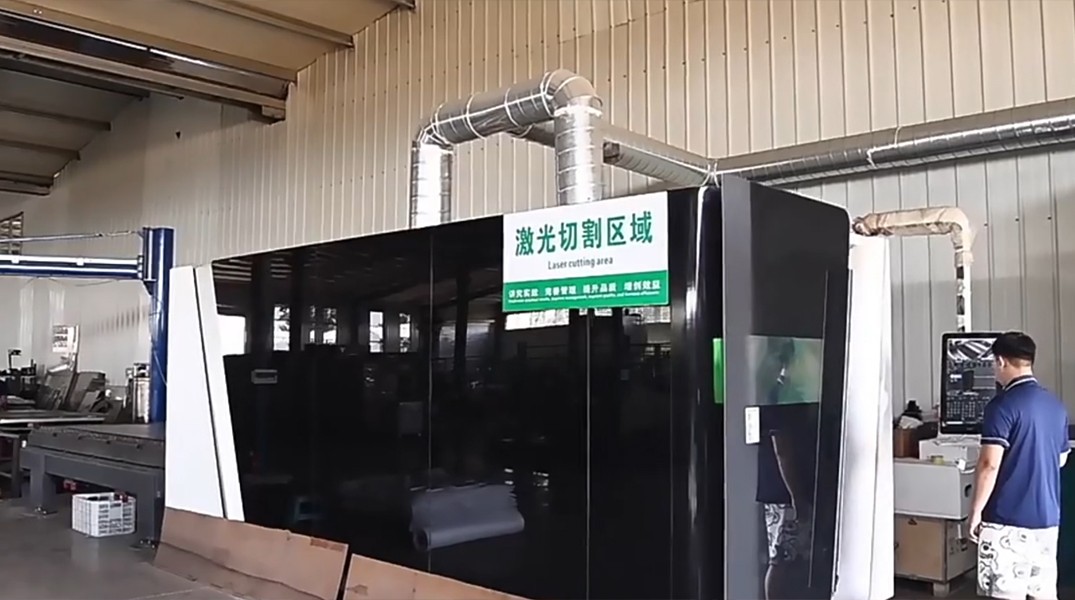
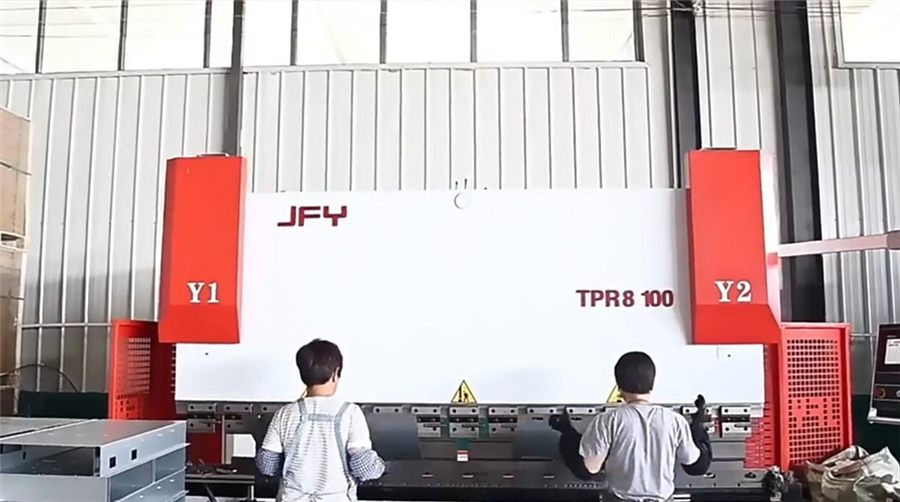
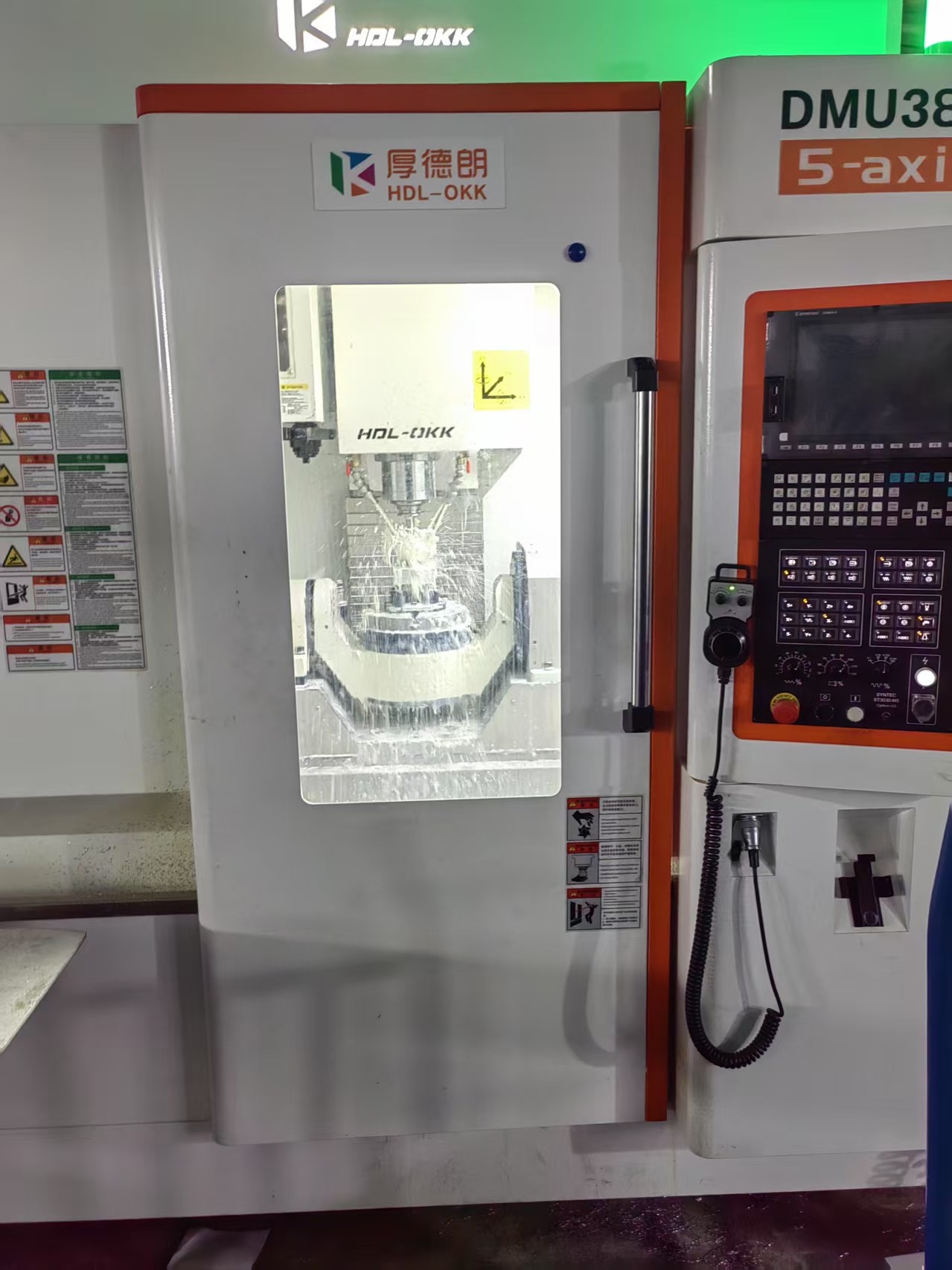
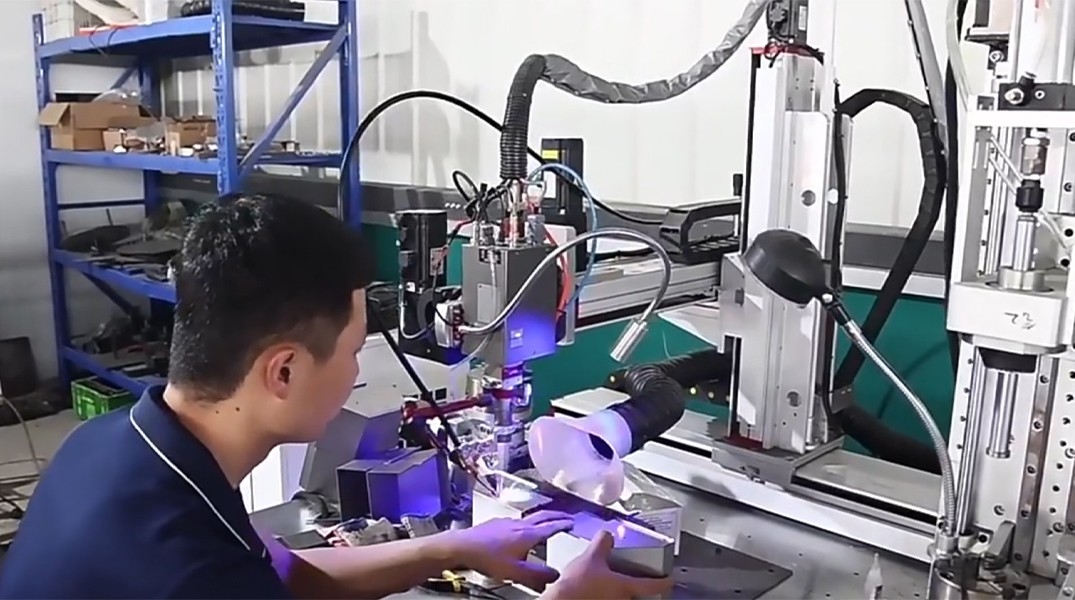
Process selection for custom aluminum fabrication should follow the part rather than a fixed menu. XCWY has presses rated from 25 to 400 tons for stamping and forming work, plus a 12,000 W fiber laser for profile cutting. Published laser capacities are carbon steel to 25 mm, stainless steel to 20 mm, aluminum to 12 mm, and copper to 6 mm. These figures describe equipment capability, not an automatic promise that every contour and tolerance is feasible at the maximum thickness. Bending for custom aluminum fabrication can be reviewed around the JFY TPR8-100 CNC press brake, with a 3,200 mm working length and a stated angular capability of ±0.5°. Feature position, flange length, bend relief, grain direction, and springback assumptions should be assessed together. Where milled faces, pockets, holes, or multi-side access are needed, the HDL-OKK DMU38 five-axis machine carries a stated capability of ±0.005 mm. The applicable part tolerance must still be agreed from geometry, datum structure, material, and inspection method. Joining options for custom aluminum fabrication include laser, TIG, MIG, and spot welding. PEM insertion and sub-assembly can be added when the drawing defines hardware type, orientation, access, and acceptance conditions. This process range gives a buyer comparing alloy form, geometry, surface expectations, joining demands, and quantity before requesting a quote a practical basis for comparing one-process and combined-process solutions.
Control material and surface expectations
Material and finish notes strongly influence custom aluminum fabrication. XCWY lists cold rolled steel, Q235, galvanized steel, SS304, SS316, SS316L, AL5052, AL6061-T6, C110 copper, C260 brass, and 65Mn among its available materials. The quotation should reference a specific grade, thickness or stock form, and any required condition instead of allowing an undefined equivalent. That discipline is especially important when a design relies on bend response, hardness, corrosion behavior, conductivity, weldability, or cosmetic appearance. Listed finish routes for custom aluminum fabrication include powder coating, zinc plating, anodizing, brushing, polishing, and passivation. Not every finish applies to every metal, so the requested combination must be reviewed. Drawings should state color or appearance criteria where relevant, masked or contact areas, visible faces, grain direction for brushed surfaces, and whether dimensional requirements apply before or after finishing. Threads, PEM hardware, tight fits, and electrical contact zones may need explicit protection instructions. Finish language such as “standard,” “clean,” or “good appearance” is too open for dependable sourcing. A better custom aluminum fabrication package separates functional protection from cosmetic expectations and identifies inspection lighting or reference samples only when the buyer actually supplies or approves them. XCWY can then align fabrication sequence, handling, and outsourced or in-house finish coordination with the stated requirement without inventing an acceptance level.
Plan inspection and qualification
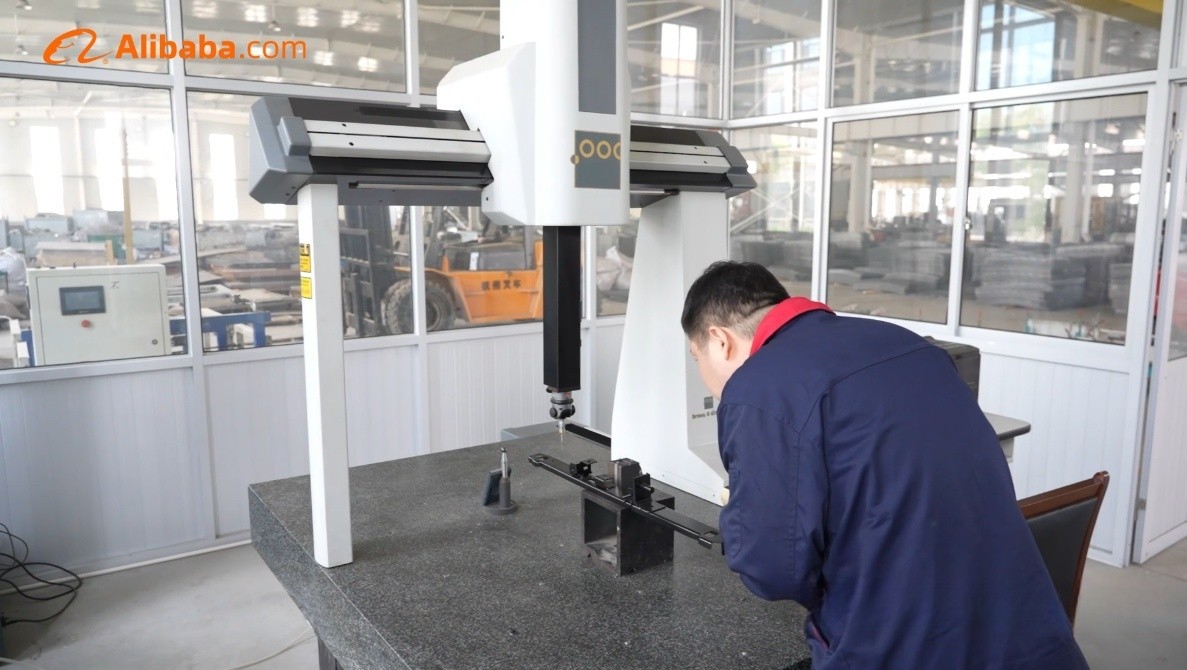
Quality planning for custom aluminum fabrication starts before the first cut. XCWY operates under ISO 9001:2015 registration 34025Q30296R0S and has CMM inspection capability. The registration supports a quality-management framework, while the drawing and purchase requirements still define what must be measured for the specific order. Buyers should mark critical-to-function characteristics, datum references, thread requirements, weld expectations, finish checkpoints, and any records requested with the shipment. A CMM can support dimensional verification for suitable custom aluminum fabrication features, but inspection method must fit accessibility, surface condition, tolerance, and part stability. Not every characteristic is best measured on a CMM, and the presence of inspection equipment should not be interpreted as an unstated guarantee for all dimensions. A clear inspection plan identifies sampling or full-check expectations, measurement stage, and the document format needed for review. XCWY does not claim ISO 13485, IATF 16949, AS9100, or UL certification. Projects that contractually require one of those credentials should not treat ISO 9001:2015 as a substitute. For a buyer comparing alloy form, geometry, surface expectations, joining demands, and quantity before requesting a quote, this transparent boundary makes qualification more efficient: confirm whether the stated ISO registration and available process controls satisfy the program, then place any additional verification obligations directly in the inquiry and purchase documents.
Build a quotation-ready RFQ
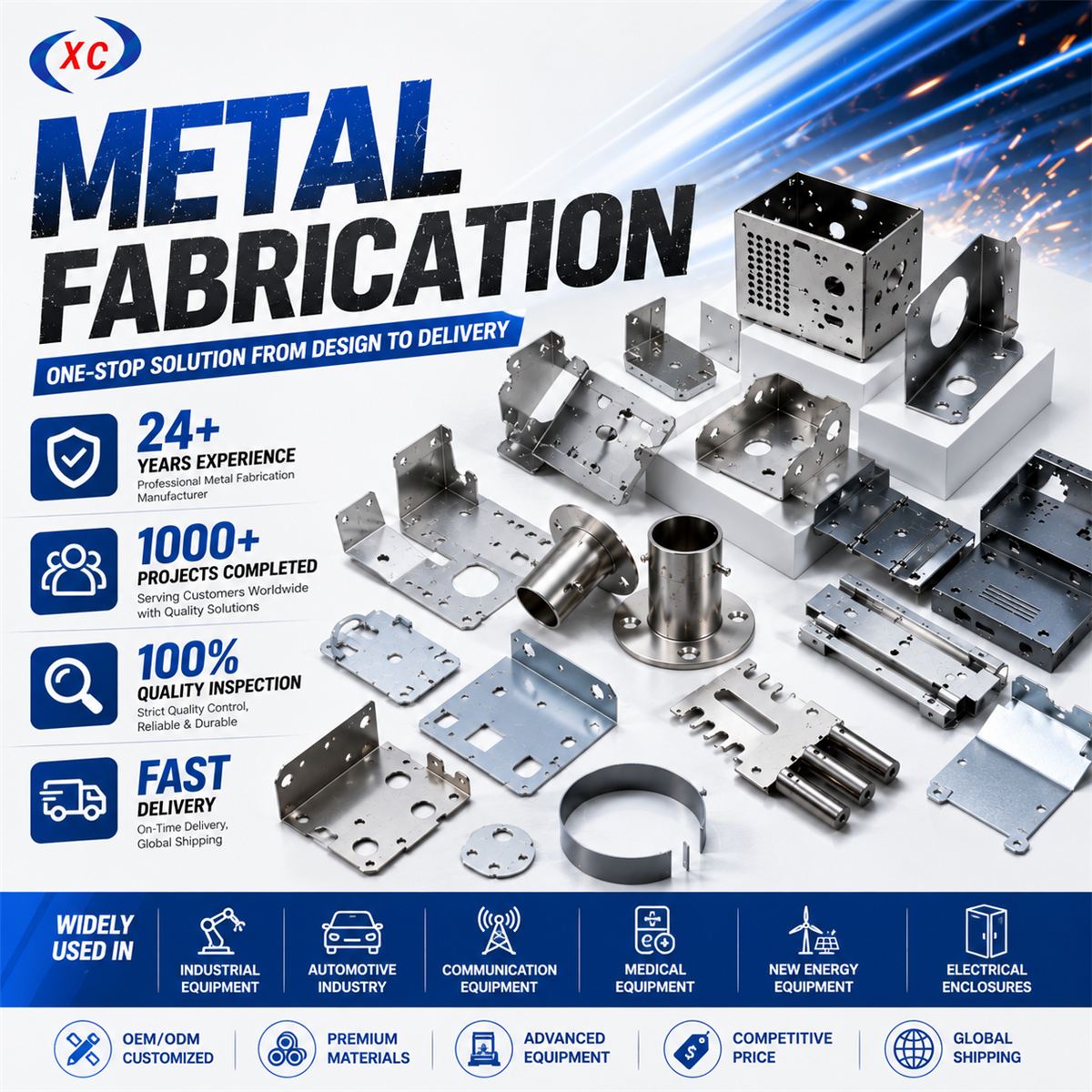
To request a useful custom aluminum fabrication quotation, provide 2D drawings and available 3D data, revision level, material and thickness, order quantity, annual or repeat expectations if known, finish, hardware, weld notes, and inspection priorities. Identify whether the request is for a one-piece evaluation, a low-volume batch, or recurring production. XCWY offers quotation response within three business hours when the information is sufficient, and the MOQ starts from one piece. An NDA is available on request for confidential files. The first review should resolve interfaces that drive risk: datums, mating locations, bend orientation, weld access, tool access, edge condition, hardware direction, visible surfaces, and packaging-sensitive areas. For custom aluminum fabrication, changes should be recorded by revision rather than mixed through informal messages. If an alternative process is proposed, the buyer should approve any effect on geometry, material condition, finish, or inspection before release. This structured RFQ approach serves selecting a supplier for lightweight aluminum components because commercial and technical assumptions become visible at the same time. It also gives XCWY a basis for deciding whether stamping, laser cutting, bending, five-axis machining, welding, insertion, sub-assembly, or a combination is appropriate. The result is not a generic capability claim; it is a traceable proposal tied to the submitted part definition and requested quantity.
Specifications and Scope
| Company history | Operating since 1998 |
|---|---|
| Quality system | ISO 9001:2015, registration 34025Q30296R0S |
| Facility | 15,000 m² |
| Production resources | 6 lines and 78 employees |
| Press range | 25–400 ton |
| Fiber laser | 12,000 W; carbon steel 25 mm, stainless 20 mm, aluminum 12 mm, copper 6 mm |
| CNC press brake | JFY TPR8-100, 3,200 mm, ±0.5° |
| Five-axis CNC | HDL-OKK DMU38, ±0.005 mm |
| Joining | Laser, TIG, MIG, and spot welding |
| Secondary operations | PEM insertion and sub-assembly |
| Inspection | CMM capability |
| Commercial access | MOQ from 1 piece; quotation within 3 business hours; NDA on request |
Typical Applications
Lightweight equipment panels
Use custom aluminum fabrication to source drawing-defined lightweight equipment panels when material, critical interfaces, finish, quantity, and inspection priorities are stated in the RFQ.
Aluminum control enclosures
For aluminum control enclosures, XCWY can review whether cutting, forming, machining, joining, insertion, or sub-assembly best matches the released geometry and order volume.
Machined mounting components
Buyers of machined mounting components can start at one piece, then request a separate route for repeat quantities if tooling or process economics should change.
Bent aluminum brackets
A bent aluminum brackets inquiry should identify mating points, visible surfaces, hardware, weld conditions, and the measurements that determine functional acceptance.
Anodized visible parts
XCWY evaluates anodized visible parts against its listed materials, equipment limits, finishes, and CMM capability rather than applying an assumed universal tolerance.
Welded aluminum structures
Procurement teams can place welded aluminum structures within a controlled custom aluminum fabrication package by fixing revision, quantity, finish, and inspection scope before release.
Risks Buyers Should Resolve Before Release
| Risk | Effect | Control |
|---|---|---|
| Alloy selection mismatch | The custom aluminum fabrication order may be built to conflicting requirements, causing avoidable clarification or rework. | Freeze the drawing revision and identify one owner for approved technical changes before manufacturing release for this aluminum fabrication program. |
| Heat-related distortion | Functional interfaces may not align even when individual custom aluminum fabrication features appear acceptable in isolation. | Mark critical characteristics and agree the relevant process, datum basis, and inspection method during quotation review for this aluminum fabrication program. |
| Anodizing appearance variation | The delivered surface or material behavior may differ from the buyer’s unstated expectation for custom aluminum fabrication. | Specify material grade, stock condition, finish, visible faces, and protected areas directly in controlled documents for this aluminum fabrication program. |
| Thin feature deformation | Process interaction may shift geometry or complicate access on the custom aluminum fabrication part or assembly. | Review forming, machining, and joining sequence against access, heat input, springback, and accumulated variation for this aluminum fabrication program. |
| Mixed cosmetic criteria | Parts may be difficult to accept consistently or may be damaged after otherwise conforming custom aluminum fabrication work. | Define packaging-sensitive surfaces and confirm the required inspection records, sampling approach, and acceptance language for this aluminum fabrication program. |
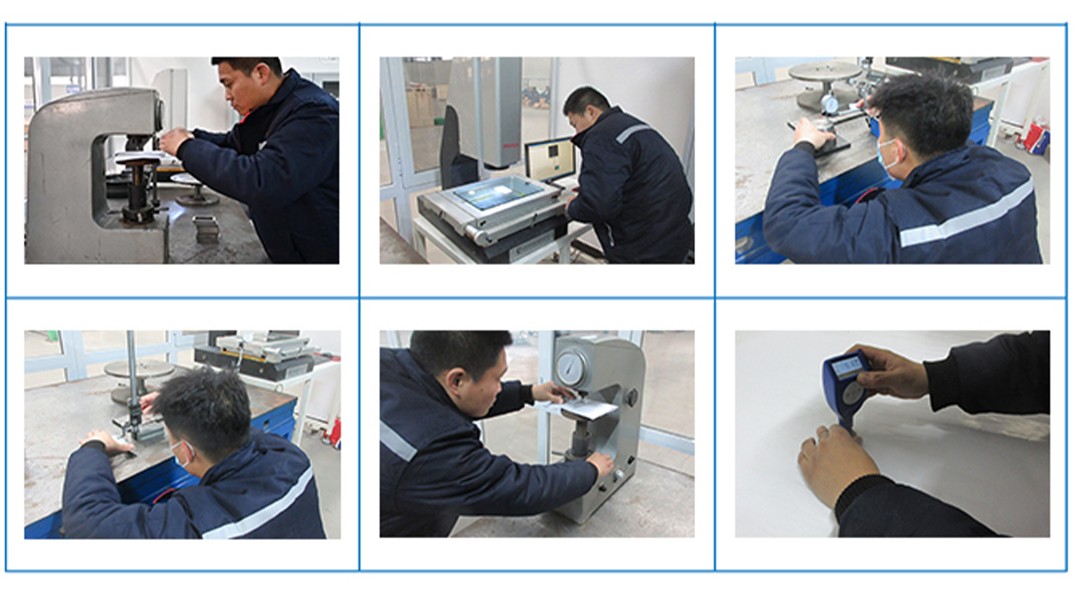
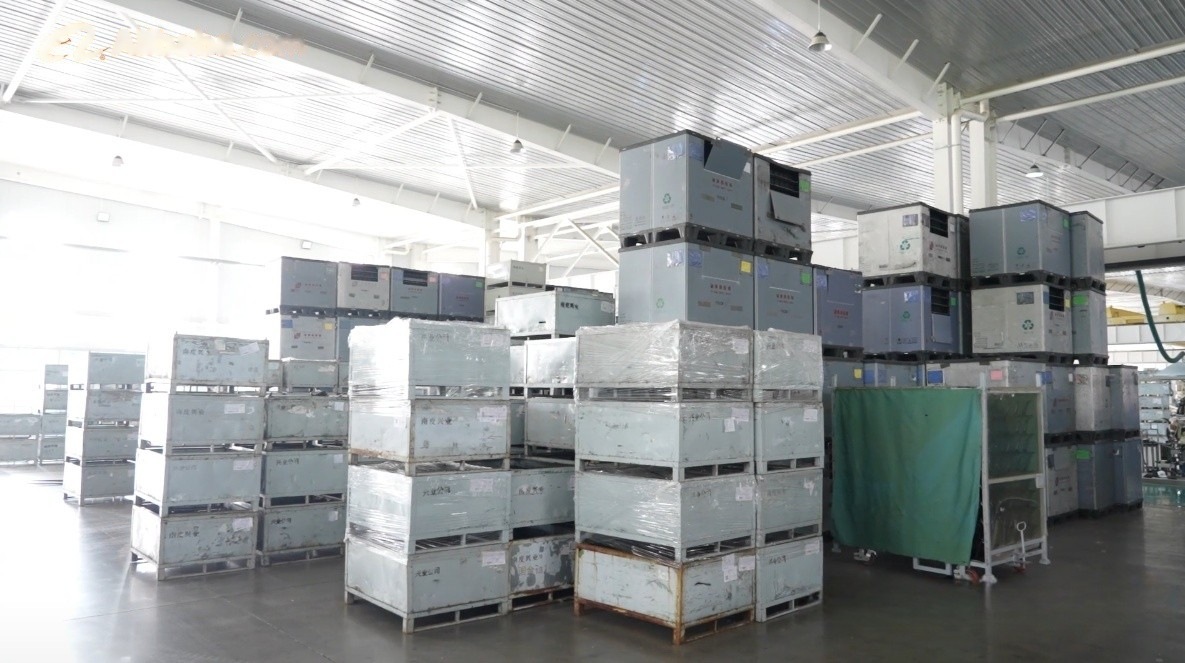
Manufacturing Evidence — Aluminum Fabrication
The images below come from the XCWY site asset library and show the plant, equipment, inspection areas and representative parts already published for Aluminum Fabrication.
Frequently Asked Questions
What should I send for a custom aluminum fabrication quotation?
Send controlled 2D drawings, available 3D files, revision, material, quantity, finish, hardware or weld notes, critical dimensions, and inspection needs. XCWY offers a quotation response within three business hours when the package is sufficiently defined.
Can XCWY support a one-piece custom aluminum fabrication order?
Yes. The stated MOQ starts from one piece, making custom aluminum fabrication accessible for evaluation or prototype demand. A later production quantity should be requoted because the preferred process and commercial structure may change with volume.
Which materials are available for custom aluminum fabrication?
The listed materials are AL5052 and AL6061-T6. State the exact grade, thickness or stock form, and condition in the inquiry so XCWY can review process fit without assuming an unspecified substitute.
Which certifications apply to XCWY custom aluminum fabrication?
XCWY lists ISO 9001:2015 registration 34025Q30296R0S. It does not claim ISO 13485, IATF 16949, AS9100, or UL, so buyers whose contracts require those credentials should evaluate that boundary before sourcing.
Can XCWY inspect critical custom aluminum fabrication dimensions?
CMM inspection capability is available. Provide the critical characteristics, datums, tolerances, sampling expectation, and reporting requirement so the team can confirm an appropriate method for the specific geometry and surface condition.
Is confidentiality available for a custom aluminum fabrication project?
An NDA is available on request. Ask for it before transmitting sensitive files, then keep drawing numbers and revisions consistent across the quotation, technical clarification, order, and any approved change to the project definition.
Continue the Engineering Review
Get a Manufacturing Review and Quote
Attach the drawing, revision, material, quantity, critical tolerances, finish and target date. The inquiry is saved in the site database and emailed to the XCWY team.