Low-Volume Metal Parts Manufacturing
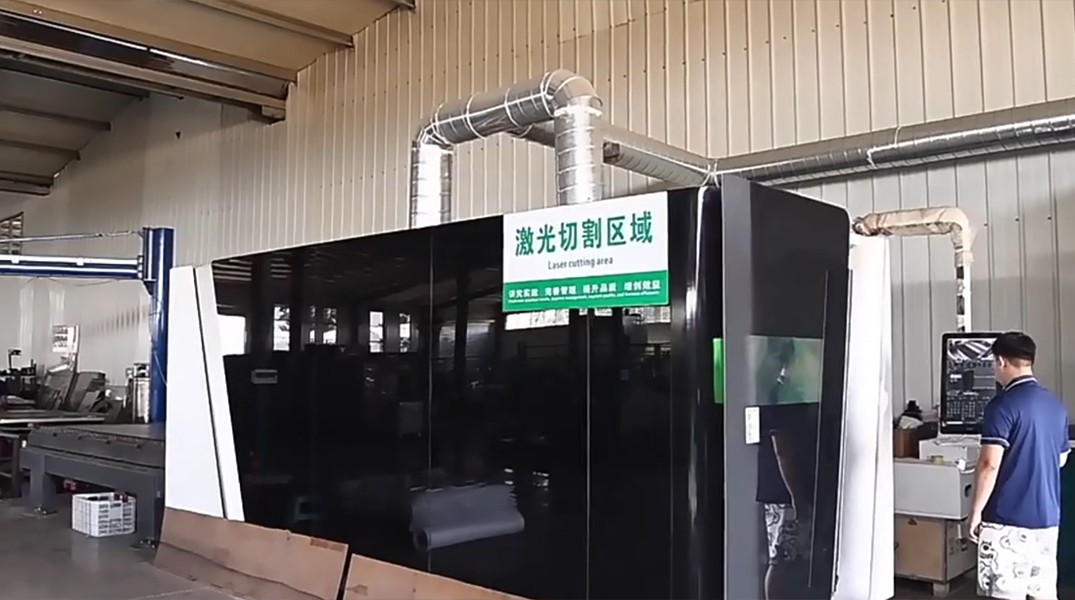
XCWY supports buying controlled small batches without assuming mass-production economics through low-volume metal parts built around drawings, stated requirements, and an agreed manufacturing route. For low-volume metal parts, Nanpi Xinchengweiye Hardware Products Co., Ltd. In short runs, brings operations dating from 1998, a 15,000 m² facility, six lines, and 78 employees. The central capability is matching laser cutting, CNC bending, milling, welding, PEM insertion, sub-assembly, inspection, and available finishes to modest quantities and evolving demand. Relevant resources span 25–400 ton presses, 12,000 W fiber laser cutting, the 3,200 mm JFY TPR8-100 CNC press brake rated to ±0.5°, the HDL-OKK DMU38 five-axis platform rated to ±0.005 mm, four welding methods, PEM insertion, sub-assembly, and CMM inspection for low-volume metal parts. In short runs, mOQ starts at one piece, with an NDA on request and quotation response within three business hours. In short runs, send drawings, material, quantity, finish, and inspection priorities to review the route.
Request a Drawing Review
Attach the drawing, revision, material, quantity, critical tolerances, finish and target date. The inquiry is saved in the site database and emailed to the XCWY team.
Define the low-volume metal parts requirement
A useful low-volume metal parts inquiry begins with function, not only geometry. In short runs, xCWY reviews the drawing together with material designation, expected quantity, surface requirement, critical features, and the relationship between mating parts. The purpose is to choose a route that reflects buying controlled small batches without assuming mass-production economics. For low-volume metal parts, that route may combine matching laser cutting, CNC bending, milling, welding, PEM insertion, sub-assembly, inspection, and available finishes to modest quantities and evolving demand. In short runs, processes are selected according to the released definition; the availability of a machine does not by itself mean every tolerance, thickness, or shape is appropriate for that process. In short runs, buyers should identify dimensions that govern fit, sealing, alignment, movement, or downstream assembly, while separating them from noncritical dimensions. The supported material list for low-volume metal parts includes cold rolled steel, Q235, galvanized steel, SS304, SS316, SS316L, AL5052, AL6061-T6, C110 copper, C260 brass, and 65Mn. In short runs, grade and temper should be written directly on the drawing or purchase specification, because family names alone can conceal meaningful differences in forming, machining, welding, conductivity, corrosion behavior, and finish response. In short runs, xCWY can start from an MOQ of one piece, which allows the commercial path to match prototypes, short runs, or repeat programs. In short runs, a three-business-hour quotation response helps establish the first commercial view, but manufacturability still depends on usable files and clear requirements. In short runs, an NDA can be requested before sensitive project information is exchanged.
Select processes around the part
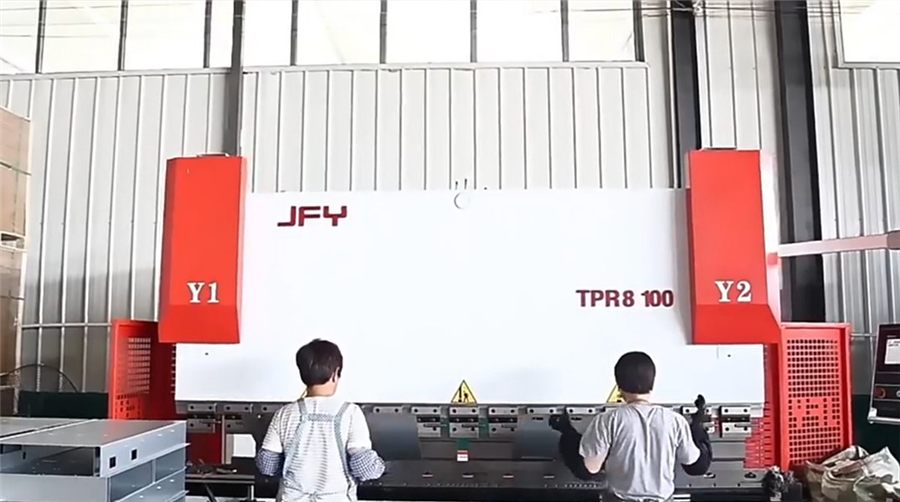
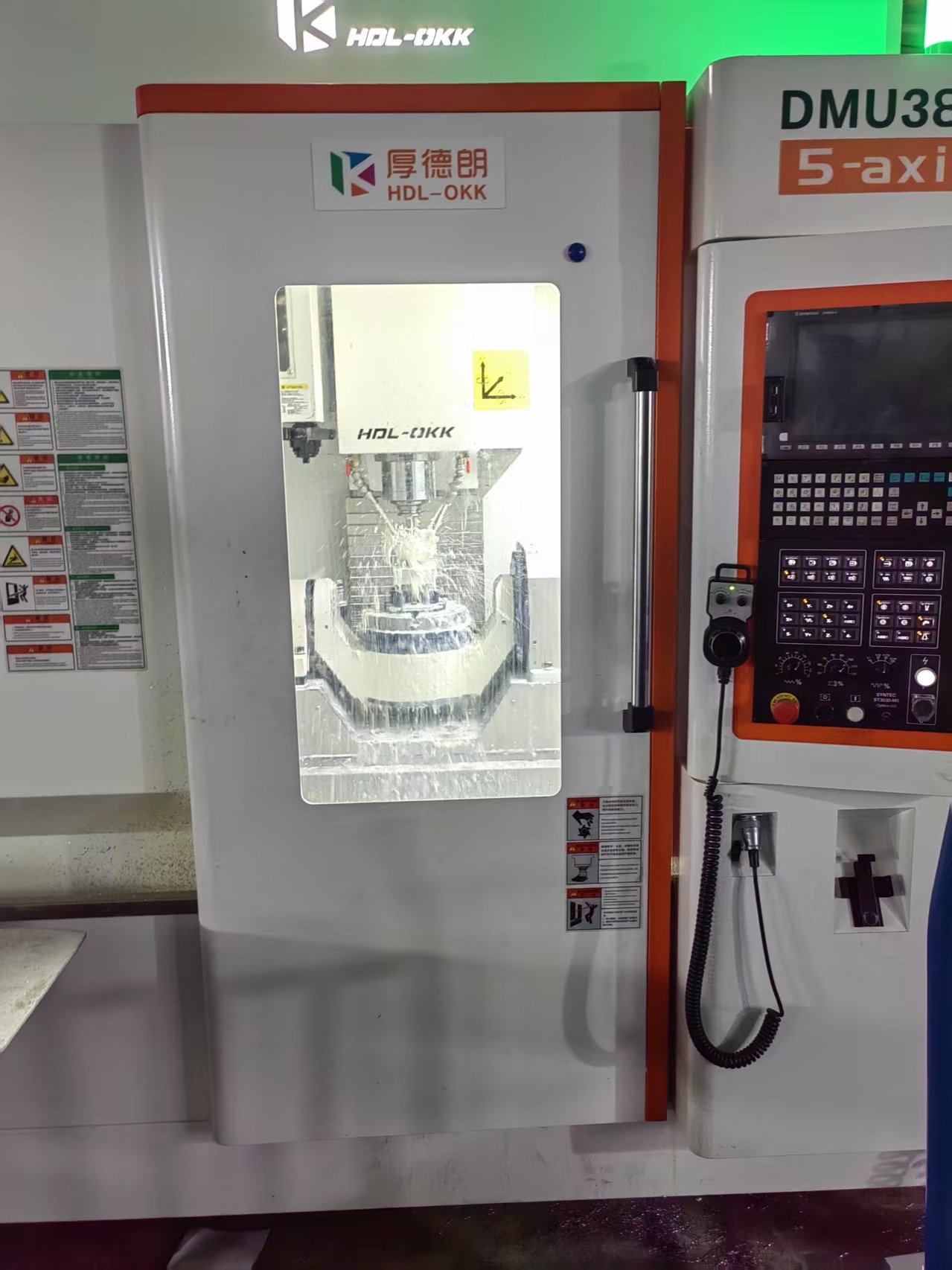
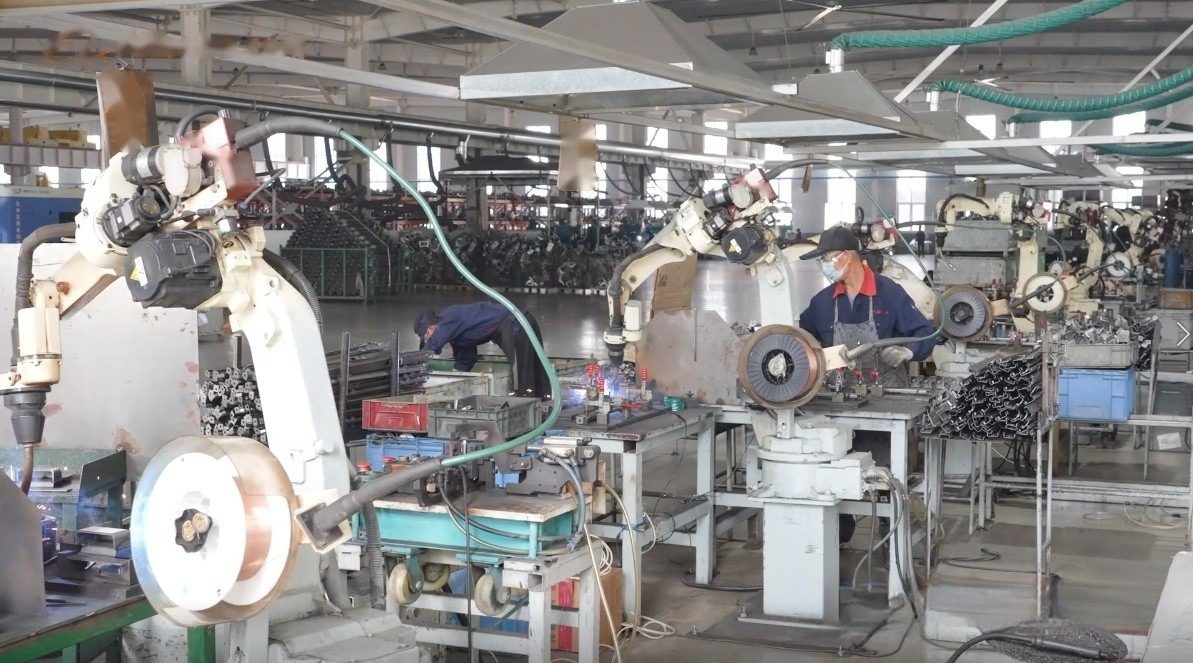
Process selection for low-volume metal parts should follow the part rather than a fixed menu. In short runs, xCWY has presses rated from 25 to 400 tons for stamping and forming work, plus a 12,000 W fiber laser for profile cutting. In short runs, published laser capacities are carbon steel to 25 mm, stainless steel to 20 mm, aluminum to 12 mm, and copper to 6 mm. In short runs, these figures describe equipment capability, not an automatic promise that every contour and tolerance is feasible at the maximum thickness. Bending for low-volume metal parts can be reviewed around the JFY TPR8-100 CNC press brake, with a 3,200 mm working length and a stated angular capability of ±0.5°. In short runs, feature position, flange length, bend relief, grain direction, and springback assumptions should be assessed together. In short runs, where milled faces, pockets, holes, or multi-side access are needed, the HDL-OKK DMU38 five-axis machine carries a stated capability of ±0.005 mm. In short runs, the applicable part tolerance must still be agreed from geometry, datum structure, material, and inspection method. Joining options for low-volume metal parts include laser, TIG, MIG, and spot welding. In short runs, pEM insertion and sub-assembly can be added when the drawing defines hardware type, orientation, access, and acceptance conditions. This process range gives a buyer balancing unit cost, flexibility, inventory exposure, and repeatability across short runs a practical basis for comparing one-process and combined-process solutions.
Control material and surface expectations
Material and finish notes strongly influence low-volume metal parts. In short runs, xCWY lists cold rolled steel, Q235, galvanized steel, SS304, SS316, SS316L, AL5052, AL6061-T6, C110 copper, C260 brass, and 65Mn among its available materials. In short runs, the quotation should reference a specific grade, thickness or stock form, and any required condition instead of allowing an undefined equivalent. In short runs, that discipline is especially important when a design relies on bend response, hardness, corrosion behavior, conductivity, weldability, or cosmetic appearance. Listed finish routes for low-volume metal parts include powder coating, zinc plating, anodizing, brushing, polishing, and passivation. In short runs, not every finish applies to every metal, so the requested combination must be reviewed. In short runs, drawings should state color or appearance criteria where relevant, masked or contact areas, visible faces, grain direction for brushed surfaces, and whether dimensional requirements apply before or after finishing. In short runs, threads, PEM hardware, tight fits, and electrical contact zones may need explicit protection instructions. In short runs, finish language such as “standard,” “clean,” or “good appearance” is too open for dependable sourcing. A better low-volume metal parts package separates functional protection from cosmetic expectations and identifies inspection lighting or reference samples only when the buyer actually supplies or approves them. In short runs, xCWY can then align fabrication sequence, handling, and outsourced or in-house finish coordination with the stated requirement without inventing an acceptance level.
Plan inspection and qualification
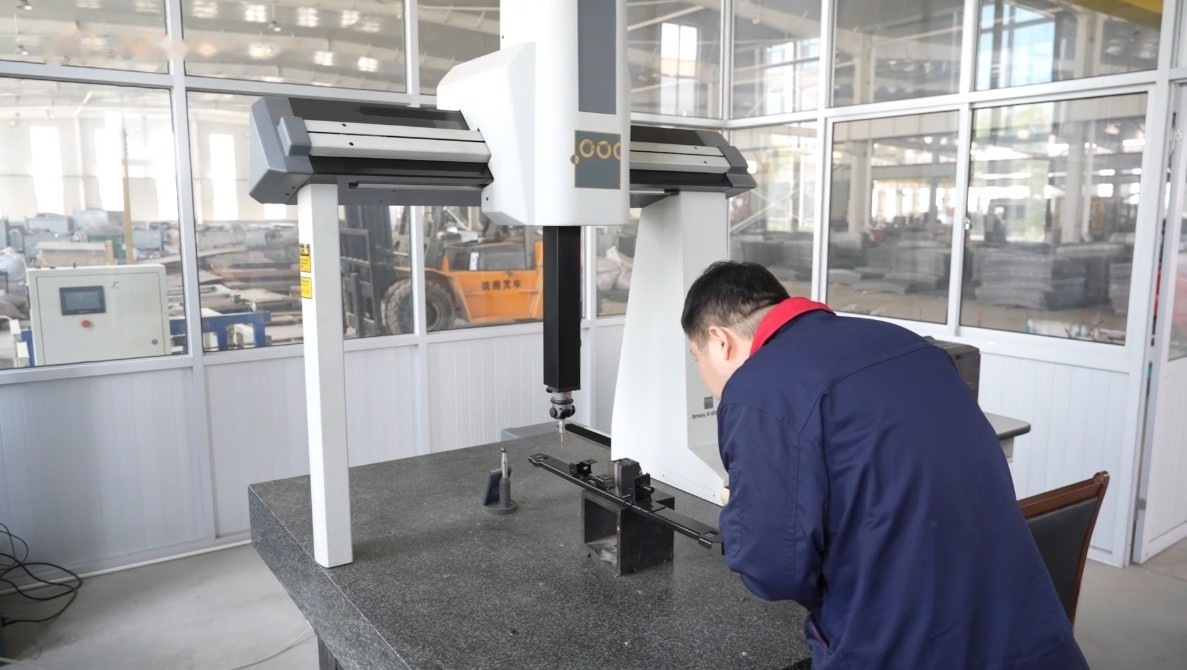
Quality planning for low-volume metal parts starts before the first cut. In short runs, xCWY operates under ISO 9001:2015 registration 34025Q30296R0S and has CMM inspection capability. In short runs, the registration supports a quality-management framework, while the drawing and purchase requirements still define what must be measured for the specific order. In short runs, buyers should mark critical-to-function characteristics, datum references, thread requirements, weld expectations, finish checkpoints, and any records requested with the shipment. A CMM can support dimensional verification for suitable low-volume metal parts features, but inspection method must fit accessibility, surface condition, tolerance, and part stability. In short runs, not every characteristic is best measured on a CMM, and the presence of inspection equipment should not be interpreted as an unstated guarantee for all dimensions. In short runs, a clear inspection plan identifies sampling or full-check expectations, measurement stage, and the document format needed for review. In short runs, xCWY does not claim ISO 13485, IATF 16949, AS9100, or UL certification. In short runs, projects that contractually require one of those credentials should not treat ISO 9001:2015 as a substitute. For a buyer balancing unit cost, flexibility, inventory exposure, and repeatability across short runs, this transparent boundary makes qualification more efficient: confirm whether the stated ISO registration and available process controls satisfy the program, then place any additional verification obligations directly in the inquiry and purchase documents.
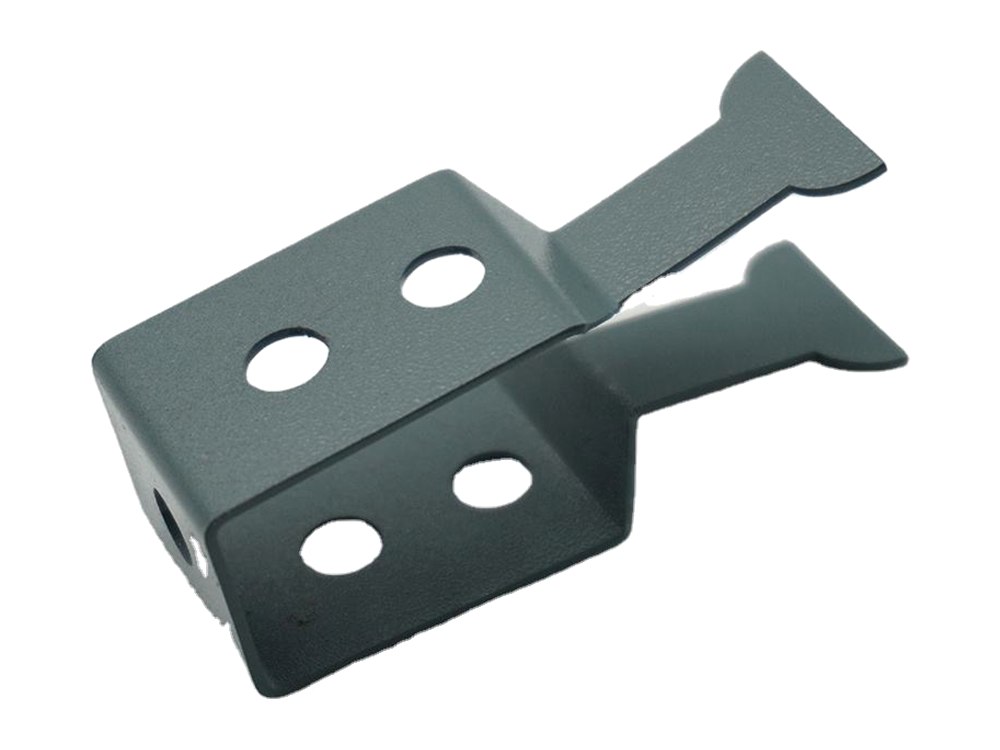
Build a quotation-ready RFQ
To request a useful low-volume metal parts quotation, provide 2D drawings and available 3D data, revision level, material and thickness, order quantity, annual or repeat expectations if known, finish, hardware, weld notes, and inspection priorities. In short runs, identify whether the request is for a one-piece evaluation, a low-volume batch, or recurring production. In short runs, xCWY offers quotation response within three business hours when the information is sufficient, and the MOQ starts from one piece. In short runs, an NDA is available on request for confidential files. In short runs, the first review should resolve interfaces that drive risk: datums, mating locations, bend orientation, weld access, tool access, edge condition, hardware direction, visible surfaces, and packaging-sensitive areas. For low-volume metal parts, changes should be recorded by revision rather than mixed through informal messages. In short runs, if an alternative process is proposed, the buyer should approve any effect on geometry, material condition, finish, or inspection before release. This structured RFQ approach serves buying controlled small batches without assuming mass-production economics because commercial and technical assumptions become visible at the same time. In short runs, it also gives XCWY a basis for deciding whether stamping, laser cutting, bending, five-axis machining, welding, insertion, sub-assembly, or a combination is appropriate. In short runs, the result is not a generic capability claim; it is a traceable proposal tied to the submitted part definition and requested quantity.
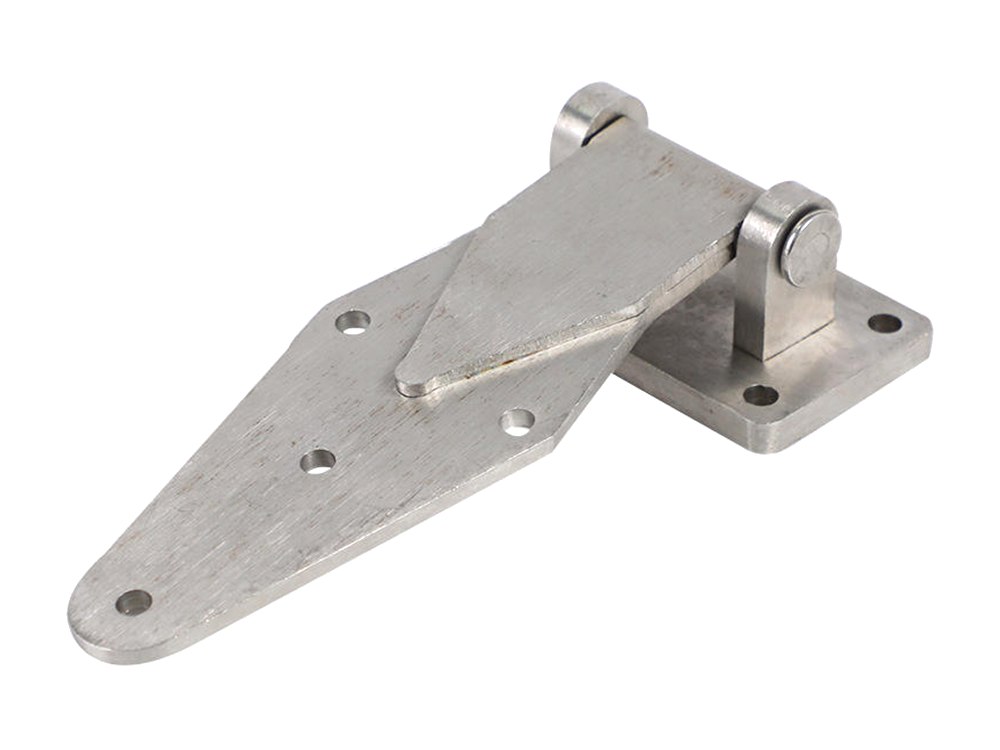
Specifications and Scope
| Company history | Operating since 1998 |
|---|---|
| Quality system | ISO 9001:2015, registration 34025Q30296R0S |
| Facility | 15,000 m² |
| Production resources | 6 lines and 78 employees |
| Press range | 25–400 ton |
| Fiber laser | 12,000 W; carbon steel 25 mm, stainless 20 mm, aluminum 12 mm, copper 6 mm |
| CNC press brake | JFY TPR8-100, 3,200 mm, ±0.5° |
| Five-axis CNC | HDL-OKK DMU38, ±0.005 mm |
| Joining | Laser, TIG, MIG, and spot welding |
| Secondary operations | PEM insertion and sub-assembly |
| Inspection | CMM capability |
| Commercial access | MOQ from 1 piece; quotation within 3 business hours; NDA on request |
Typical Applications
Bridge production batches
Use low-volume metal parts to source drawing-defined bridge production batches when material, critical interfaces, finish, quantity, and inspection priorities are stated in the RFQ.
Replacement metal components
For replacement metal components, XCWY can review whether cutting, forming, machining, joining, insertion, or sub-assembly best matches the released geometry and order volume.
Special equipment builds
Buyers of special equipment builds can start at one piece, then request a separate route for repeat quantities if tooling or process economics should change.
Pilot market quantities
A pilot market quantities inquiry should identify mating points, visible surfaces, hardware, weld conditions, and the measurements that determine functional acceptance.
Maintenance part runs
XCWY evaluates maintenance part runs against its listed materials, equipment limits, finishes, and CMM capability rather than applying an assumed universal tolerance.
Configured product variants
Procurement teams can place configured product variants within a controlled low-volume metal parts package by fixing revision, quantity, finish, and inspection scope before release.
Risks Buyers Should Resolve Before Release
| Risk | Effect | Control |
|---|---|---|
| Excess tooling commitment | The low-volume metal parts order may be built to conflicting requirements, causing avoidable clarification or rework. | Freeze the drawing revision and identify one owner for approved technical changes before manufacturing release for this low volume metal parts program. |
| Batch-to-batch drift | Functional interfaces may not align even when individual low-volume metal parts features appear acceptable in isolation. | Mark critical characteristics and agree the relevant process, datum basis, and inspection method during quotation review for this low volume metal parts program. |
| Demand forecast volatility | The delivered surface or material behavior may differ from the buyer’s unstated expectation for low-volume metal parts. | Specify material grade, stock condition, finish, visible faces, and protected areas directly in controlled documents for this low volume metal parts program. |
| Unclear reorder baseline | Process interaction may shift geometry or complicate access on the low-volume metal parts part or assembly. | Review forming, machining, and joining sequence against access, heat input, springback, and accumulated variation for this low volume metal parts program. |
| Finish lot variation | Parts may be difficult to accept consistently or may be damaged after otherwise conforming low-volume metal parts work. | Define packaging-sensitive surfaces and confirm the required inspection records, sampling approach, and acceptance language for this low volume metal parts program. |
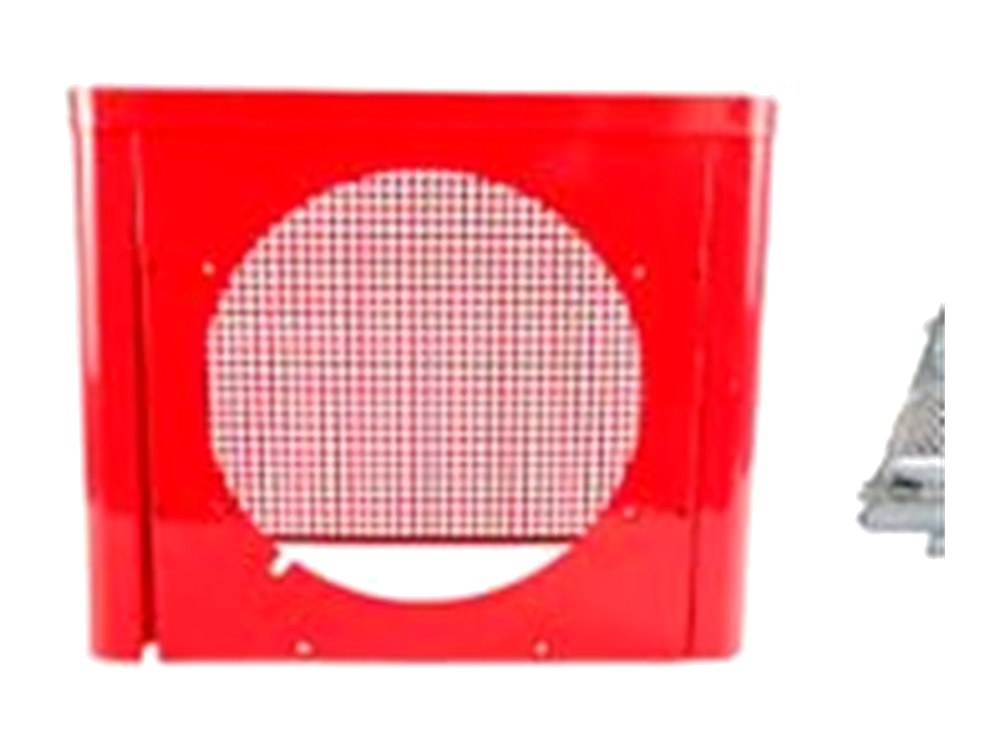
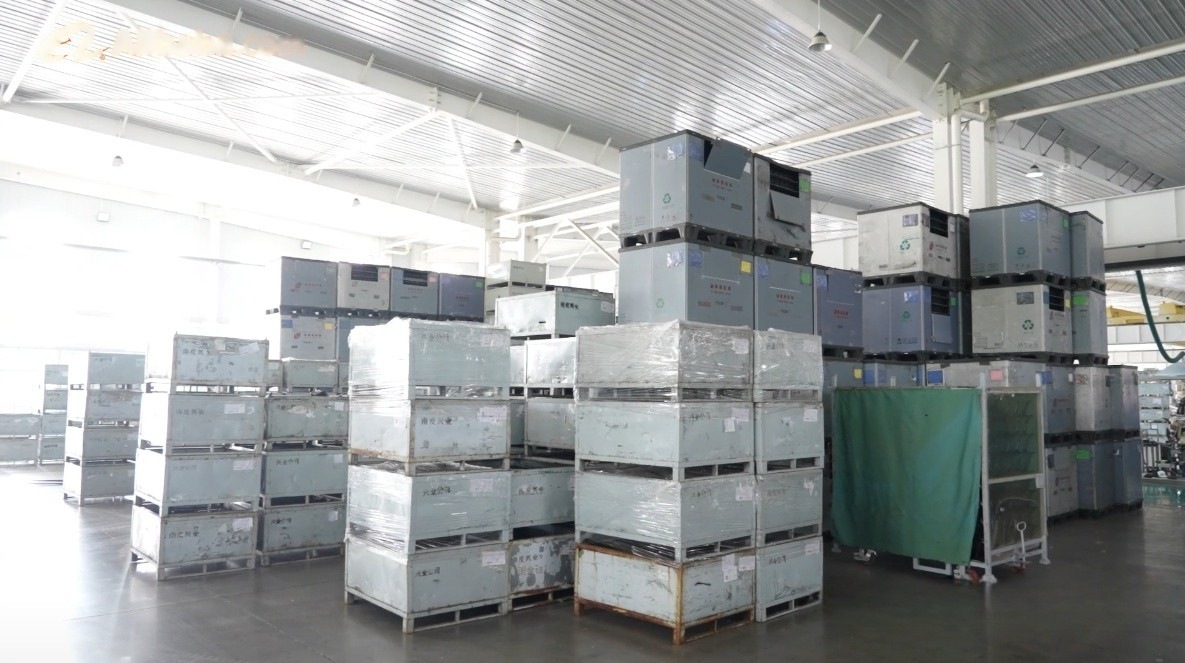
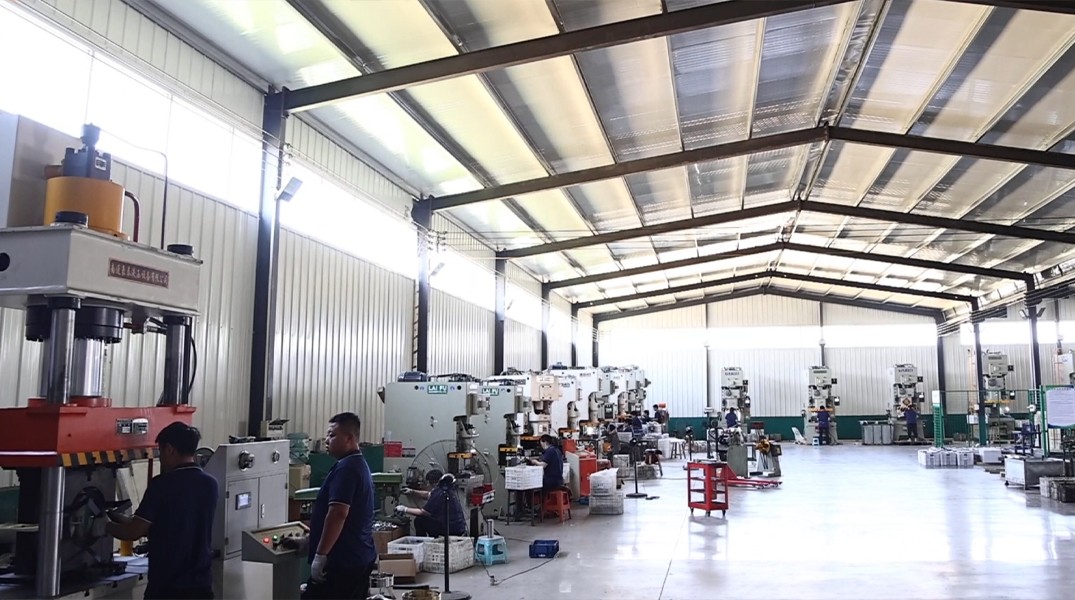
Manufacturing Evidence — Low-Volume Manufacturing
The images below come from the XCWY site asset library and show the plant, equipment, inspection areas and representative parts already published for Low-Volume Manufacturing.
Frequently Asked Questions
What should I send for a low-volume metal parts quotation?
In short runs, send controlled 2D drawings, available 3D files, revision, material, quantity, finish, hardware or weld notes, critical dimensions, and inspection needs. In short runs, xCWY offers a quotation response within three business hours when the package is sufficiently defined.
Can XCWY support a one-piece low-volume metal parts order?
Yes. The stated MOQ starts from one piece, making low-volume metal parts accessible for evaluation or prototype demand. In short runs, a later production quantity should be requoted because the preferred process and commercial structure may change with volume.
Which materials are available for low-volume metal parts?
In short runs, the listed materials are cold rolled steel, Q235, galvanized steel, SS304, SS316, SS316L, AL5052, AL6061-T6, C110 copper, C260 brass, and 65Mn. In short runs, state the exact grade, thickness or stock form, and condition in the inquiry so XCWY can review process fit without assuming an unspecified substitute.
Which certifications apply to XCWY low-volume metal parts?
In short runs, xCWY lists ISO 9001:2015 registration 34025Q30296R0S. In short runs, it does not claim ISO 13485, IATF 16949, AS9100, or UL, so buyers whose contracts require those credentials should evaluate that boundary before sourcing.
Can XCWY inspect critical low-volume metal parts dimensions?
CMM inspection capability is available. In short runs, provide the critical characteristics, datums, tolerances, sampling expectation, and reporting requirement so the team can confirm an appropriate method for the specific geometry and surface condition.
Is confidentiality available for a low-volume metal parts project?
In short runs, an NDA is available on request. In short runs, ask for it before transmitting sensitive files, then keep drawing numbers and revisions consistent across the quotation, technical clarification, order, and any approved change to the project definition.
Continue the Engineering Review
Get a Manufacturing Review and Quote
Attach the drawing, revision, material, quantity, critical tolerances, finish and target date. The inquiry is saved in the site database and emailed to the XCWY team.