 LOADING
LOADING
LOADING
Prefer to send a drawing? Use the full RFQ form, email xcwystamping@xcwybj.com or message WhatsApp.
All images below are existing XCWY assets from the factory, production equipment, quality areas or representative custom parts.
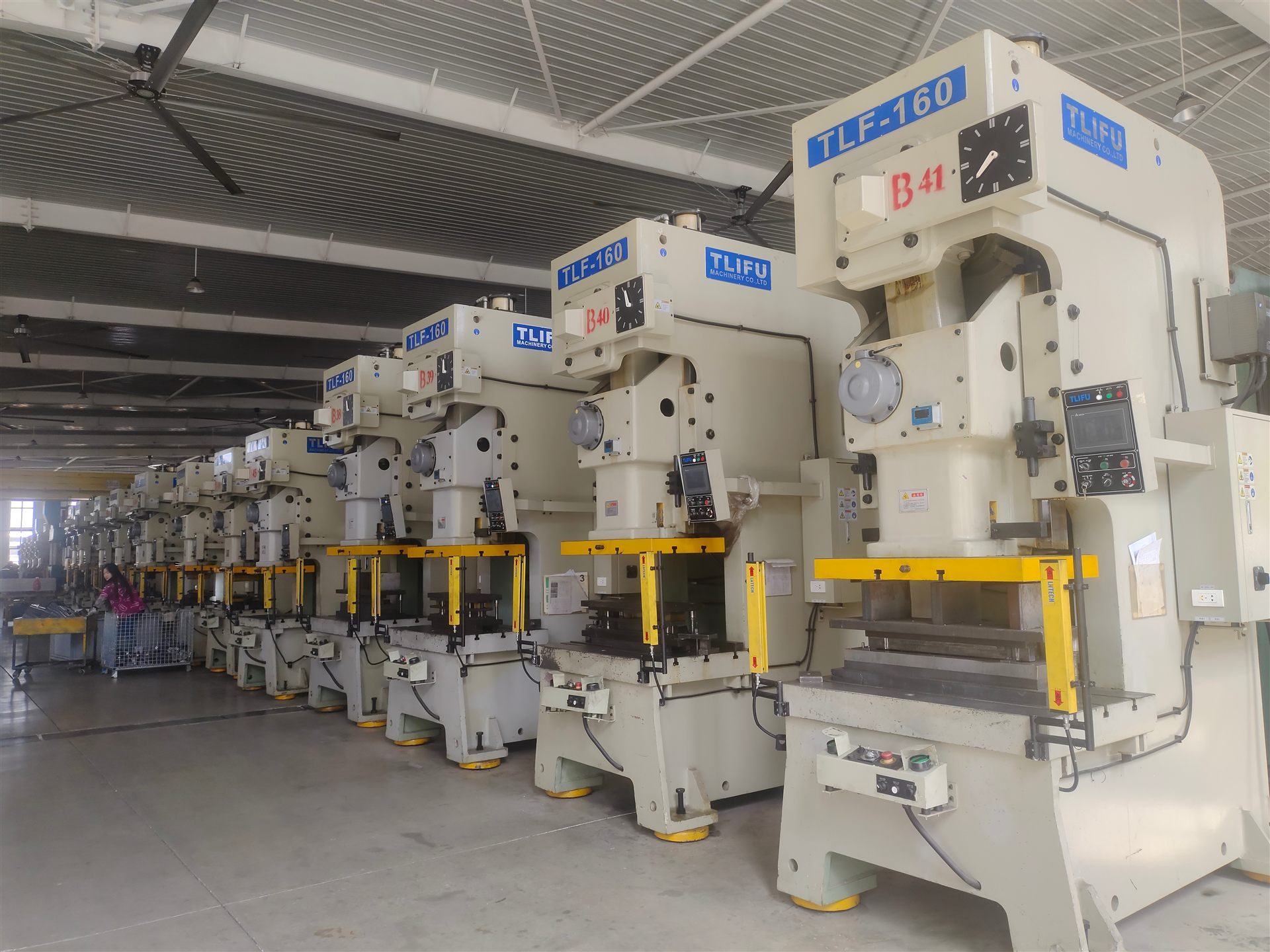
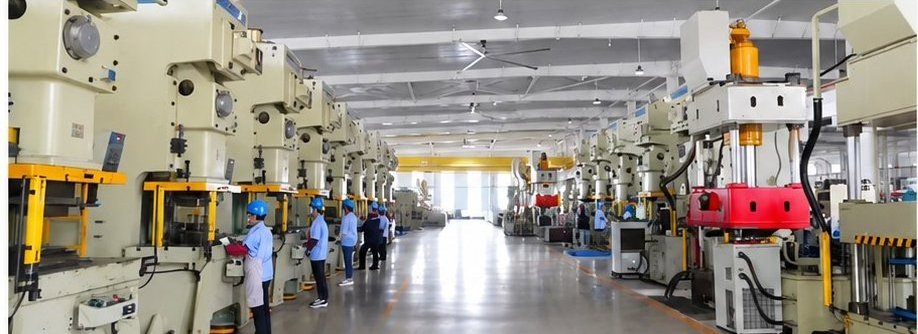
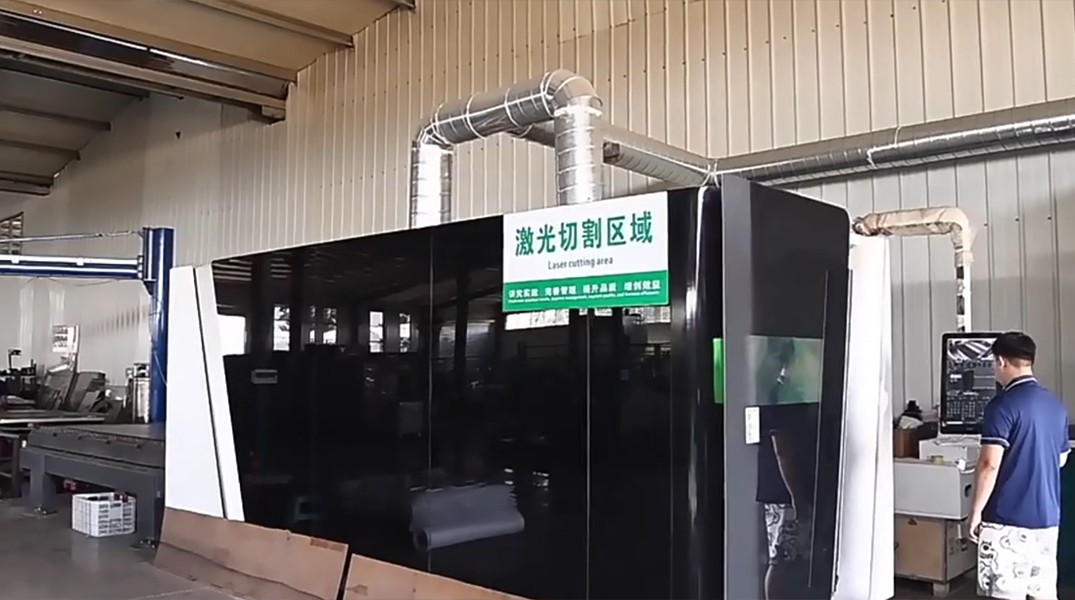
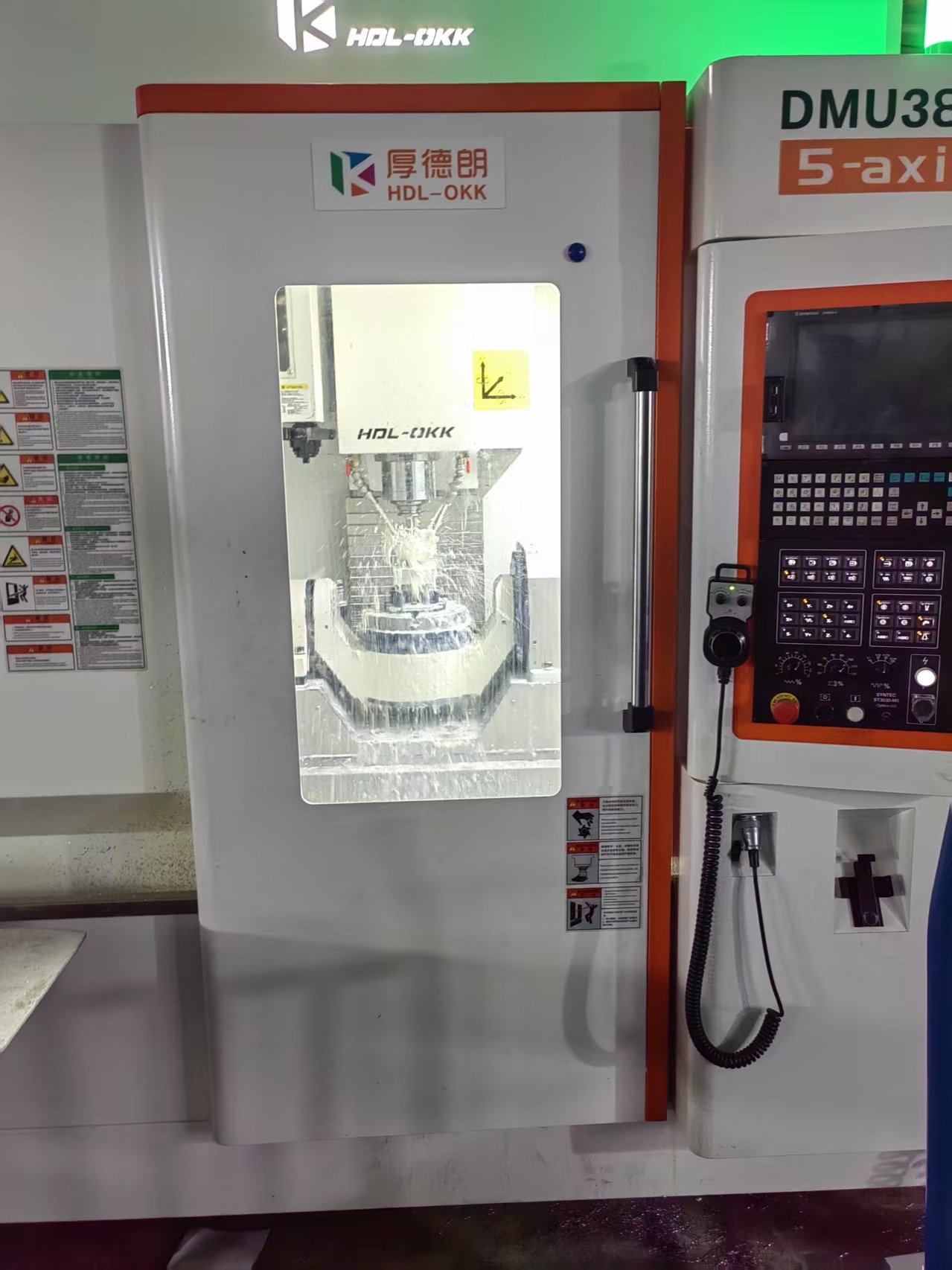
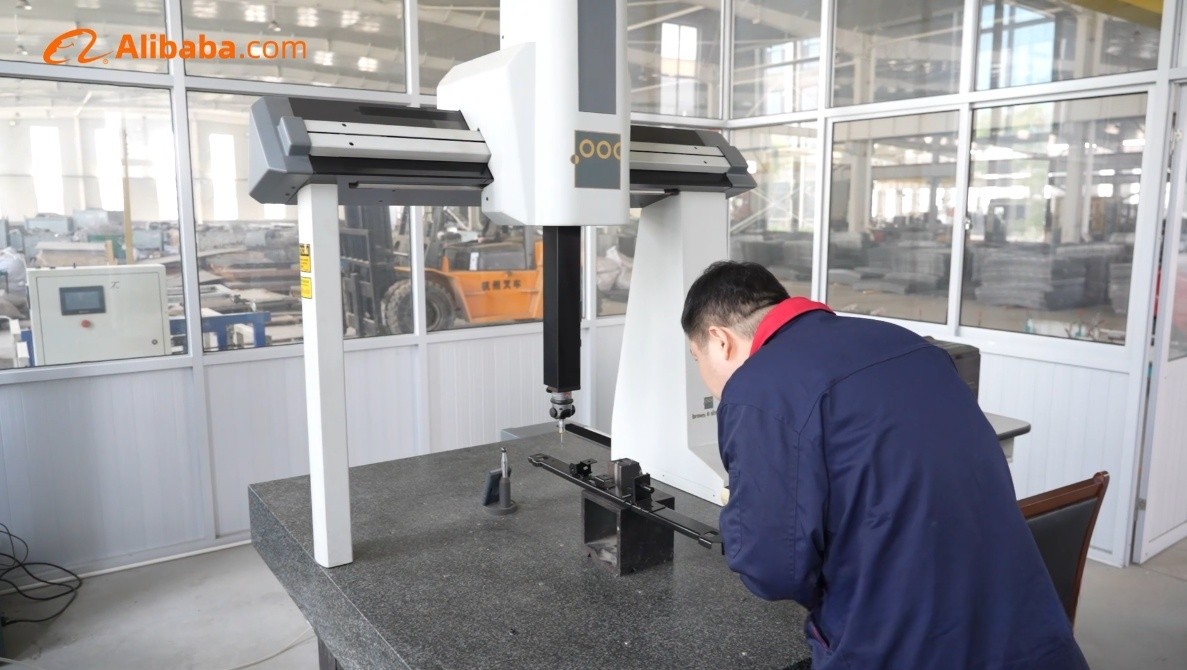
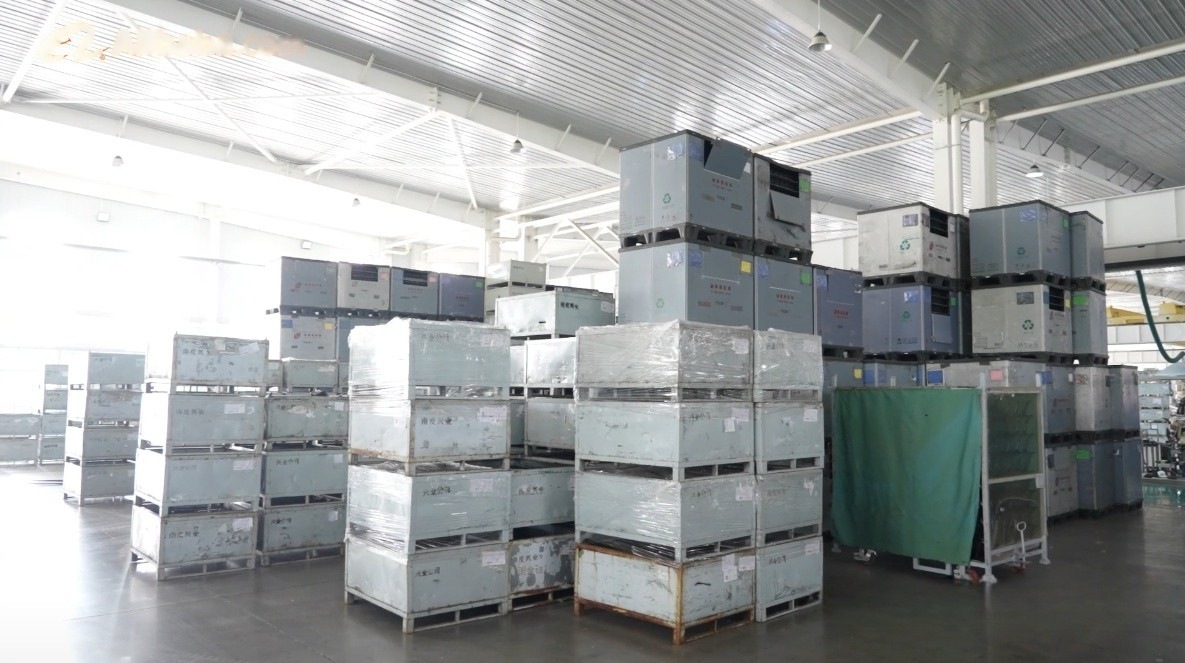
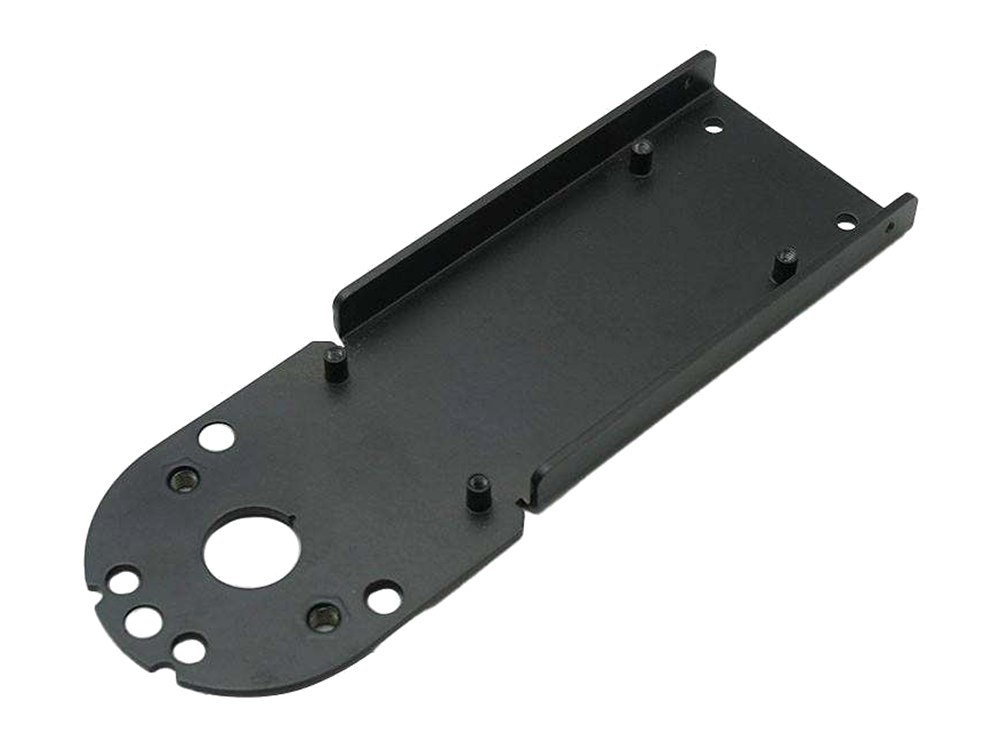
Include material, thickness, quantity, critical dimensions, finish and target date. We will review the manufacturing route before quoting.
Surface finishing in China · verified before packing · since 1998
Finishing is where good parts get ruined: a coated thread that will not accept a screw, an earthing point sealed under powder, a colour agreed verbally. We settle the specification and the masking at drawing stage, then verify thickness before the parts are packed.
Finishing is the last thing that happens to a part and the first thing your customer sees. Because we made the part, the masking, hanging points and handling are planned with the geometry rather than improvised at the coating line.
Four of these five stages happen before any coating is applied. Finishing errors are almost impossible to correct without stripping the part.
Coating type, colour, gloss, thickness, cosmetic zones and corrosion requirement are confirmed. If the drawing is silent on any of these, we ask rather than assume.
Threads, earthing points, bearing surfaces and mating faces that must stay bare are identified and recorded before production.
Cleaning, degreasing and, for stainless, pickling and passivation after welding — preparation determines adhesion more than the coating does.
Applied to the approved specification, with hanging points chosen so witness marks fall where they do not matter.
Coating thickness is checked and appearance inspected against the agreed standard before the parts are packed.
Every one of these is trivial to settle before production and expensive afterwards, because a coated part usually has to be stripped before it can be corrected.
Powder builds real thickness. A tapped hole that was to gauge before coating may refuse the screw afterwards, and an earthing point under powder is an insulator rather than a bond. If your drawing does not state what must stay bare, we ask — but the drawing is the right place for it, because it also tells your inspector what to check.
Two coatings quoted to the same colour reference can differ visibly in gloss and texture, and a screen or a printed swatch is not a reliable reference. Where appearance matters, we ask for an approved physical sample and keep it against the order. It is the only way a colour dispute can be settled by looking rather than arguing.
Anodizing converts the surface rather than covering it, so part of the layer grows outward and part penetrates into the material. On a close-tolerance fit or a threaded feature this changes the dimension. The effect is predictable and easily allowed for, but only if it is considered before machining rather than after the part comes back too tight.
Welding destroys the passive layer around the joint and leaves heat tint, which is precisely where stainless will start to corrode. Wire brushing hides it without restoring protection. Pickling and passivation reinstate the passive layer chemically, and for any part that will see moisture or chemicals it is the difference between stainless behaving as stainless and rusting at the weld.
Coated parts are suspended on hooks, and every hanging point leaves a small witness mark. On a hidden bracket this is irrelevant; on a visible fascia it is a rejection. Because we make the part, we can place a hanging hole where it is concealed — but only if we know which face the customer will see.
These questions come with the quotation at no charge. A coated part that has to be stripped and redone costs the coating twice and the schedule once.
The right surface finish is decided by what the part will face — moisture, chemicals, abrasion, food contact, conductivity or cosmetics — and only then by appearance. Powder coating gives a durable, uniform film in a wide colour range and is the default for enclosures and outdoor parts; plating (zinc, nickel, chrome) adds conductivity or a specific metallic face; anodizing suits aluminium where the finish must be part of the metal rather than a layer on it. We review the service environment with the quotation and say plainly when a specified finish is wrong for the application, rather than coating it and collecting the money.
Powder coating adds real thickness — typically 60–120 µm — which is the difference between a threaded hole or an earthing point that assembles and one that does not. Masking must be called out on the drawing, and coating thickness is verified before release rather than assumed. The same logic applies to anodizing, which converts the surface and changes dimensions on close-tolerance fits unless allowed for before machining. If the drawing does not state what must stay bare, we ask — guessing and shipping a batch you cannot use is the failure mode we are engineered to avoid.
When a buyer specifies a corrosion requirement — salt spray hours, for example — we confirm the test standard and the coating system that meets it in writing before production, and we do not publish figures we have not verified for your exact system and substrate. What we can state as fact is our process control: coating thickness is verified against the requirement, masking and cosmetic zones are confirmed at review, and release is against the purchase specification. Name the standard in your enquiry and we will confirm in writing what we can meet before you place the order — which is the only honest way to quote a corrosion requirement.
Tell us the environment the part lives in rather than only the coating name — outdoor, marine, indoor dry and food contact lead to genuinely different recommendations.
| Powder coating | Colour and gloss to specification | Masking agreed at drawing stage |
| Plating | Applied to specification | Coating type confirmed per part |
| Anodizing | For aluminium components | Dimensional growth accounted for |
| Pickling & passivation | Stainless steel | Restores corrosion resistance after welding |
| Thickness control | Verified before packing | Recorded against the order |
| Masking | Threads, earth points, mating faces | Must be defined on the drawing |
| Input required | Finish specification or approved sample | A physical sample settles colour disputes |
| Quality system | ISO 9001:2015 | Registration 34025Q30296R0S |
Tell us the environment rather than naming a coating and we will recommend. Broadly: powder coating over properly prepared steel handles general outdoor exposure and gives you colour; galvanised substrate under powder adds a second line of defence for harsher conditions; and for marine or chemical exposure the better answer is often stainless with pickling and passivation rather than any coating at all. Coastal, industrial and inland environments genuinely differ.
Yes, if they are not masked. Powder builds measurable thickness, so a tapped hole can become too tight for its screw and a close-fitting spigot can bind. Identify on the drawing which threads, bearing surfaces, earthing points and mating faces must stay bare, and we will mask them. If the drawing is silent we will ask, but it belongs on the drawing so your inspector knows what to check too.
Yes. Anodizing converts the aluminium surface rather than sitting on top of it, so part of the layer grows outward while part penetrates into the material. On close-tolerance fits and threads this matters and must be allowed for before machining. Tell us the part will be anodized when you send the drawing and the allowance is planned in.
If it has been welded and will see moisture, chemicals or food contact, yes. Welding destroys the passive chromium oxide layer near the joint and leaves heat tint, and that is exactly where stainless corrodes. Wire brushing removes the discolouration without restoring protection. Pickling and passivation reinstate the passive layer chemically.
We ask for an approved physical sample wherever appearance matters and keep it against the order. Colour references and screen images are not reliable across different coating systems — two finishes quoted to the same reference can differ visibly in gloss and texture. A sample means a colour question is settled by comparison rather than by argument.
Yes, though we get better results on parts we made, because we know which face is cosmetic and where a hanging point can be hidden. If you send parts in, tell us which surfaces are visible and what must be masked.
Under our ISO 9001:2015 system, registration 34025Q30296R0S. Surface preparation, coating specification and masking are agreed before production and recorded against the order; coating thickness is measured and appearance inspected against the approved sample before parts are packed. If your project must comply with a specific coating standard, send it with your enquiry and we will confirm in writing what we can meet before you order.
We do not run salt spray testing in-house, and we will not quote corrosion figures we have not measured — a number invented to win an order is the kind of thing that unravels during a supplier audit. Where your specification requires documented corrosion performance, tell us at enquiry stage and we will arrange third-party testing so you receive results from an accredited laboratory rather than a claim from us.