 LOADING
LOADING
LOADING
Prefer to send a drawing? Use the full RFQ form, email xcwystamping@xcwybj.com or message WhatsApp.
Useful before you send the RFQ
Clear requirements reduce quotation gaps, tooling rework and supplier comparison errors. These resources focus on the information buyers and engineers need to align early.
Include controlled drawings, material and temper, quantities, critical dimensions, finish, inspection requirements, packaging and delivery destination.
Identify geometry that drives tooling stages, bend access, weld distortion, machining setups or special inspection.
Verify certificate scope, process ownership, equipment evidence, inspection capability and change-control expectations.
| Drawing control | Revision, units and tolerances |
| Commercial input | Prototype, annual volume and delivery schedule |
| Quality input | Critical features, reports and traceability |
| Finish input | Coating, appearance and corrosion requirements |
DXF, DWG, STEP, IGES, SLDPRT and PDF. For any part that will be bent, the 3D model is more useful than a flat pattern, because we develop the flat against the K-factor for our own tooling. If you only have a physical sample or a hand sketch, send photographs with the critical dimensions marked and we will produce a drawing for your approval before anything is made.
Six things cover almost every case: the drawing or 3D model, the material grade (not just thickness), the annual and per-batch quantity, which dimensions are functional, the finish requirement, and the service environment. Add any documentation that must travel with the parts. With those, an engineer can price the job properly the first time instead of coming back with questions.
Within 3 business hours on working days. The quotation comes from the manufacturing engineer who reviewed your file and includes design-for-manufacture feedback — flat pattern, bend sequence, draw ratio, weld distortion risk or finish masking, whichever applies to your part.
Volume usually decides it. Fabrication — laser cutting and folding — carries no tooling cost, so it wins at lower volumes and while a design is still changing. Stamping requires a die but makes each piece far cheaper, so it wins once volume is sustained. The crossover depends on part complexity as much as quantity. Send the drawing and the realistic annual volume and we will quote whichever genuinely costs you less, including tooling amortisation.
Yes. Request it in your first message and we will return a signed NDA before you upload anything. Your files are not shared outside the engineers working on your quotation.
No. The review comes with the quotation whether or not you place the order. It is genuinely cheaper for us to question a drawing for an hour than to build tooling against a wrong assumption — so the advice is free even when it reduces what we can charge you.
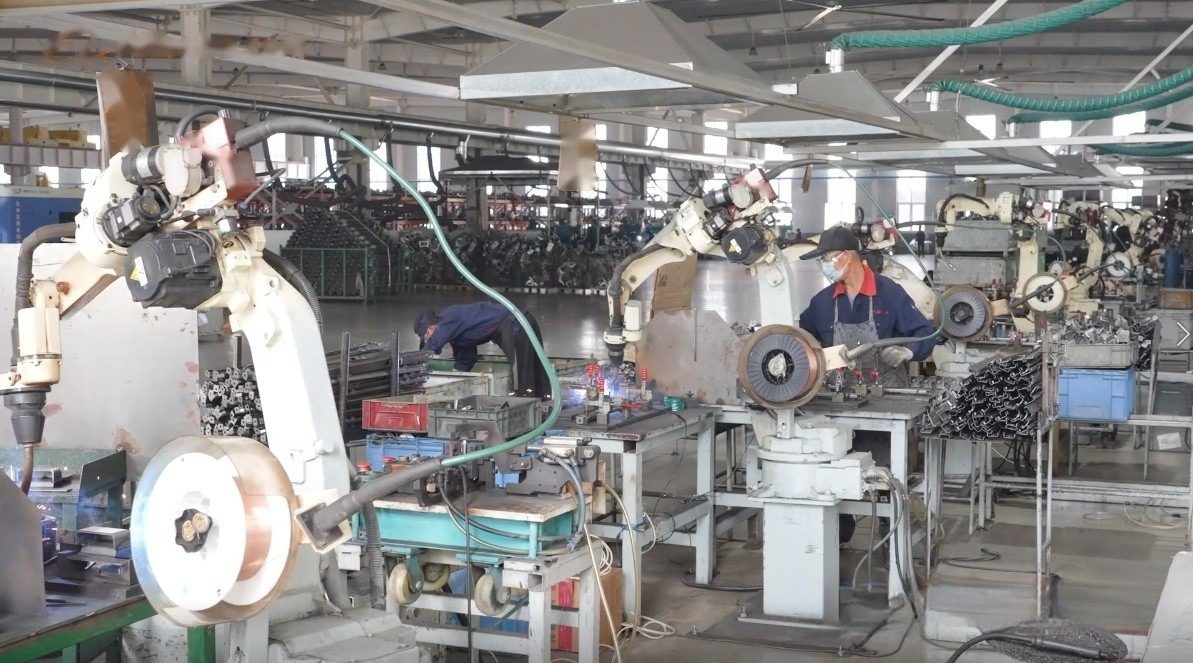
Yes. XCWY operates a 15,000 m² factory in Nanpi County with six production lines covering stamping, deep drawing, laser cutting, bending, welding and machining.
Yes. An engineering review checks process route, material, tooling implications and inspection requirements before a quotation is prepared.
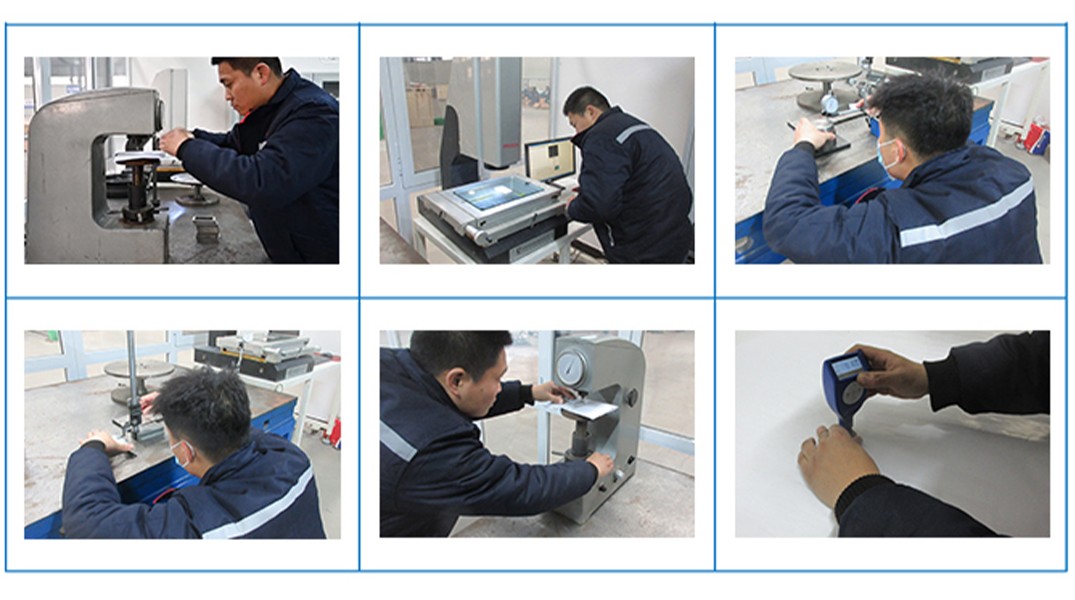
Production is managed under ISO 9001:2015. Incoming material, first article, in-process and final inspection requirements are defined by the drawing and purchase specification.
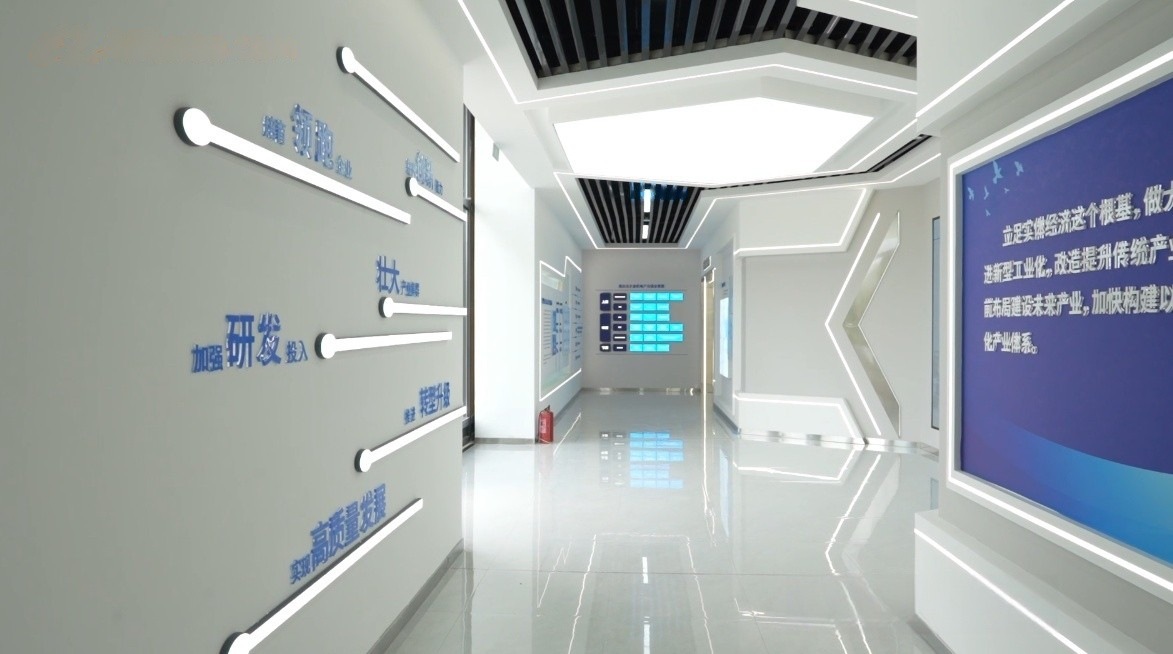
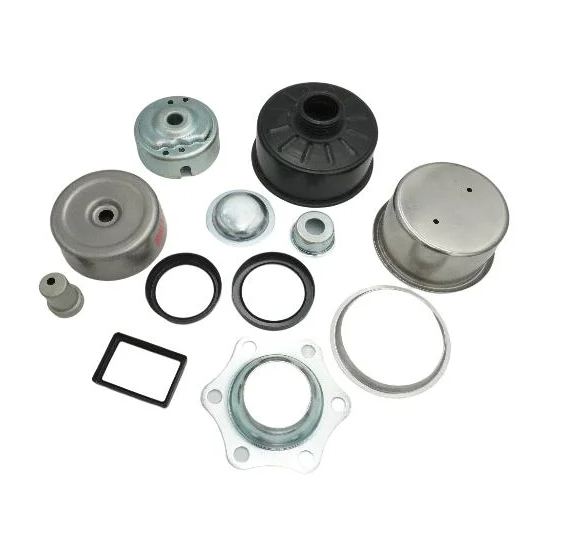
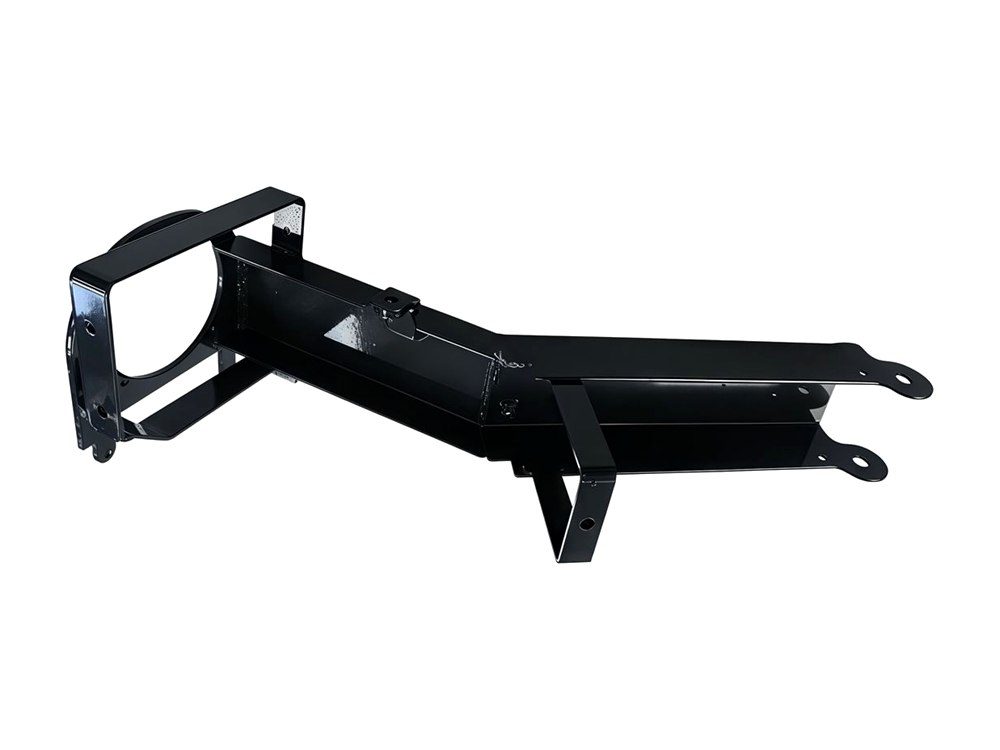
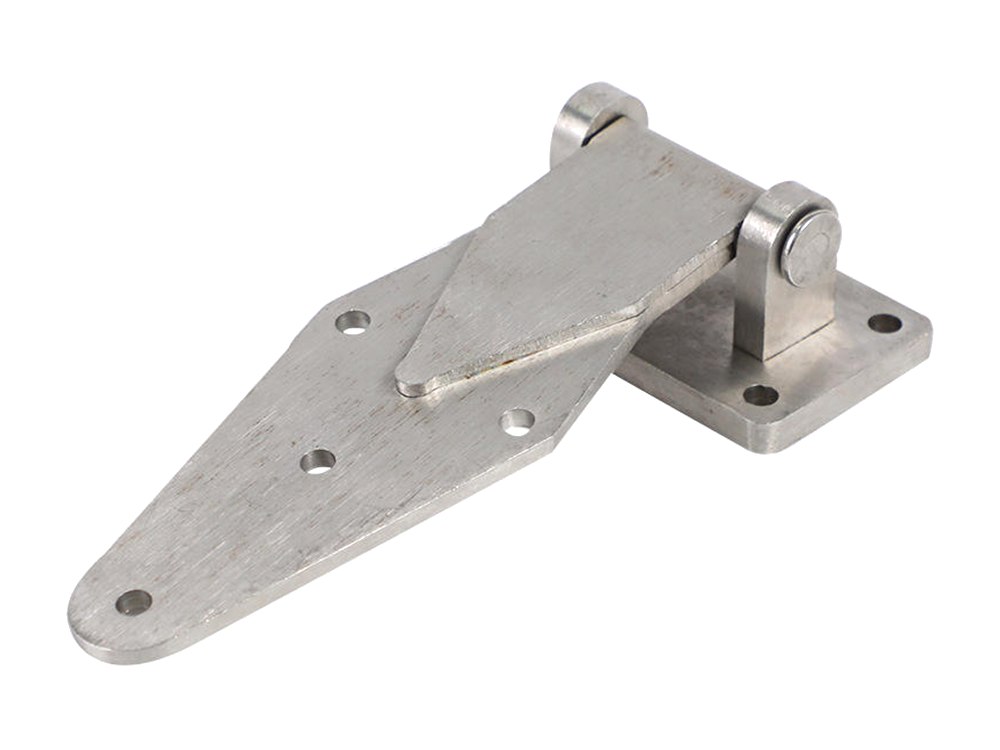
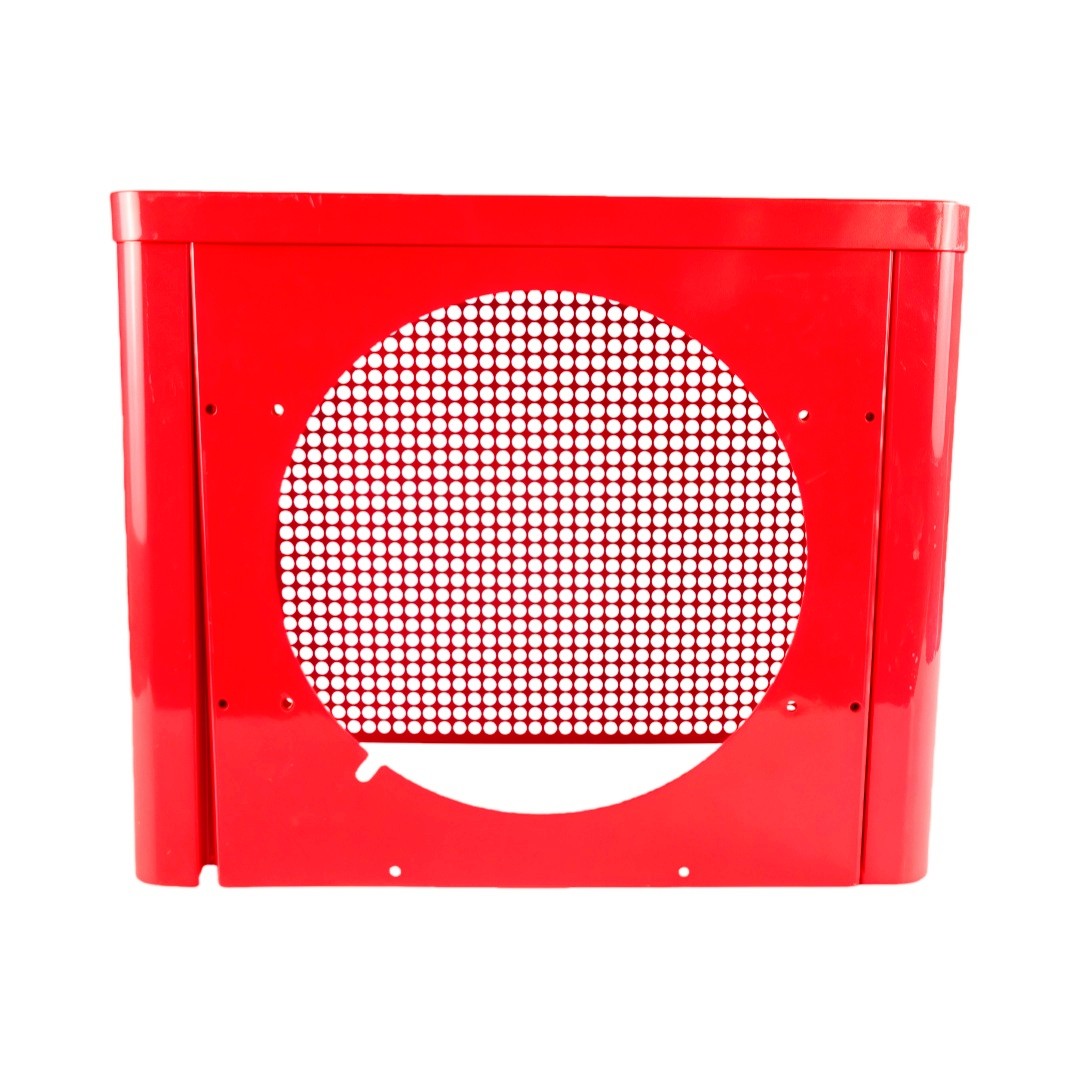
All images below are existing XCWY assets from the factory, production equipment, quality areas or representative custom parts.
Include material, thickness, quantity, critical dimensions, finish and target date. We will review the manufacturing route before quoting.