 LOADING
LOADING
LOADING
Prefer to send a drawing? Use the full RFQ form, email xcwystamping@xcwybj.com or message WhatsApp.
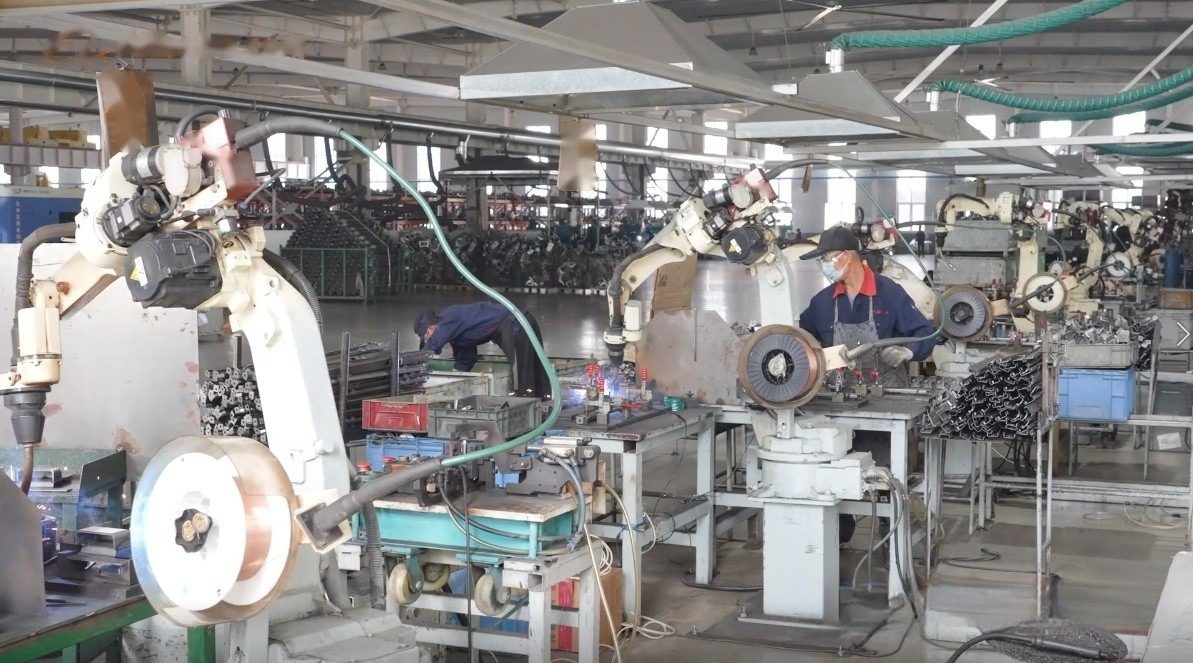
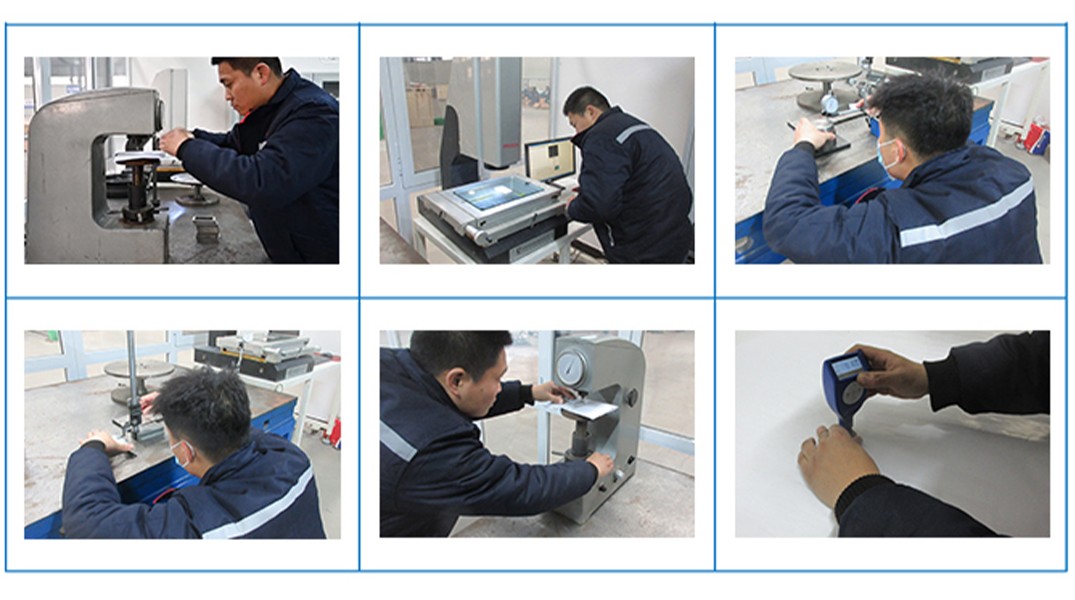
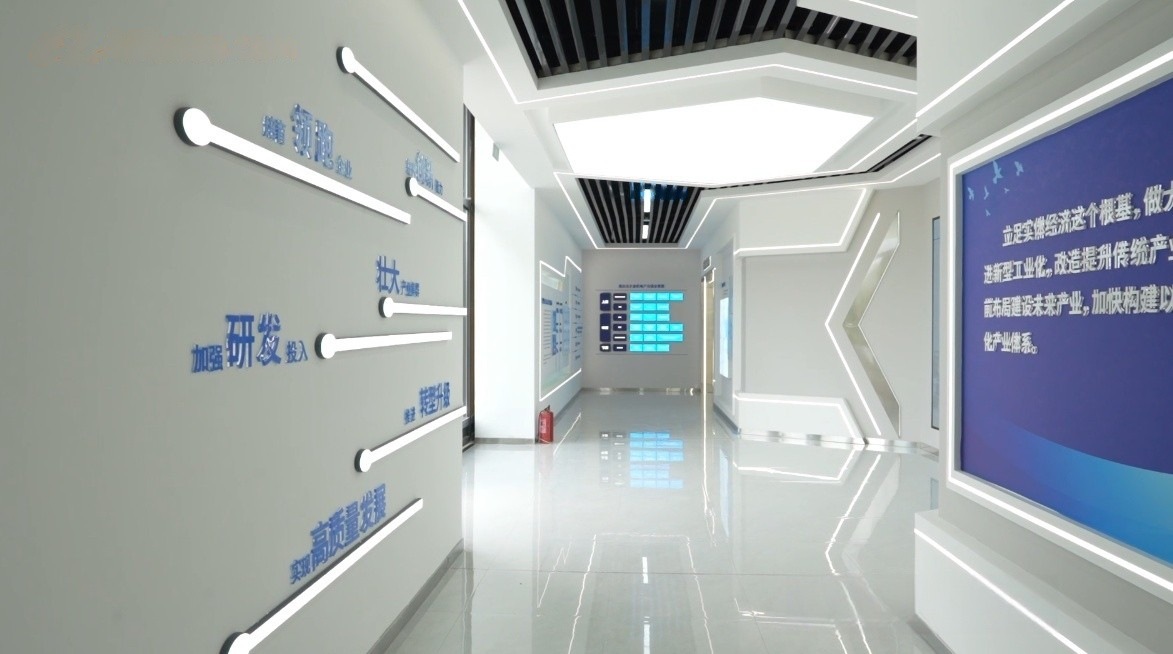
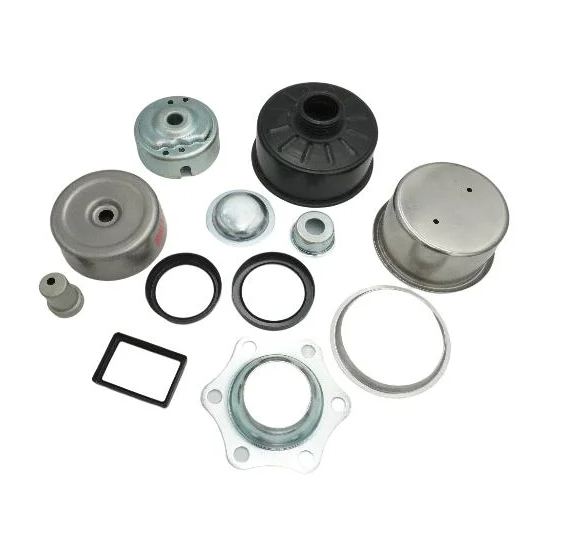
All images below are existing XCWY assets from the factory, production equipment, quality areas or representative custom parts.
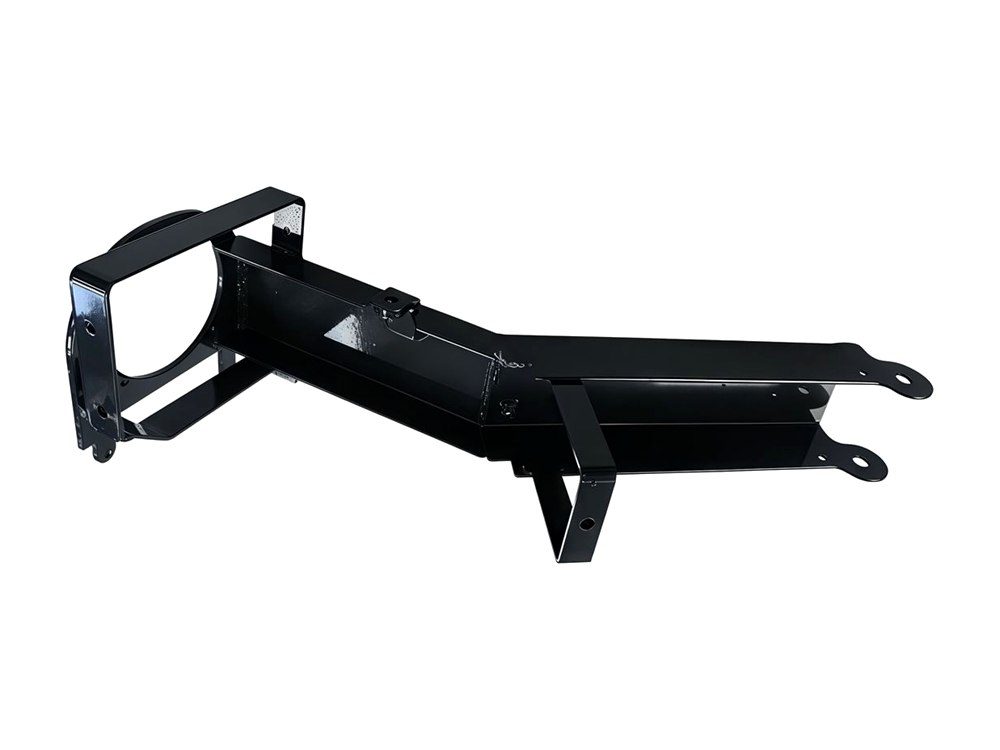
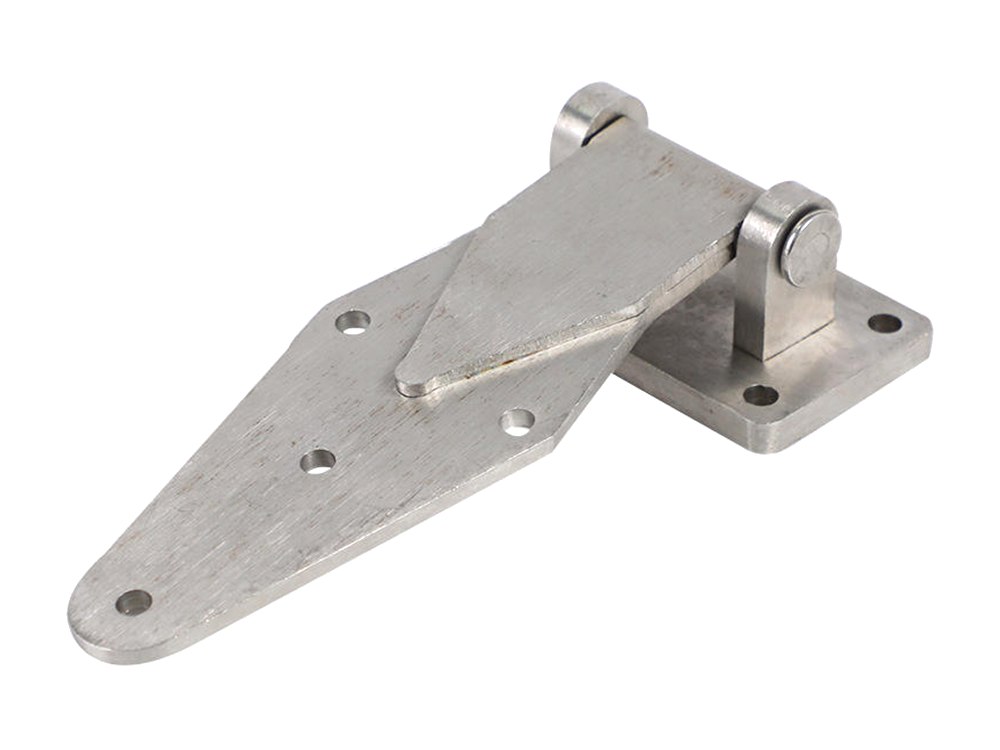
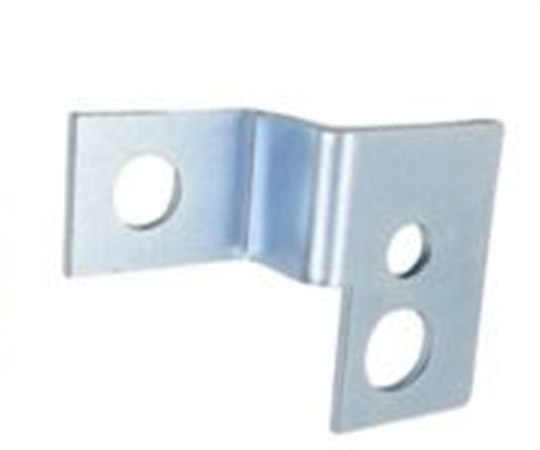
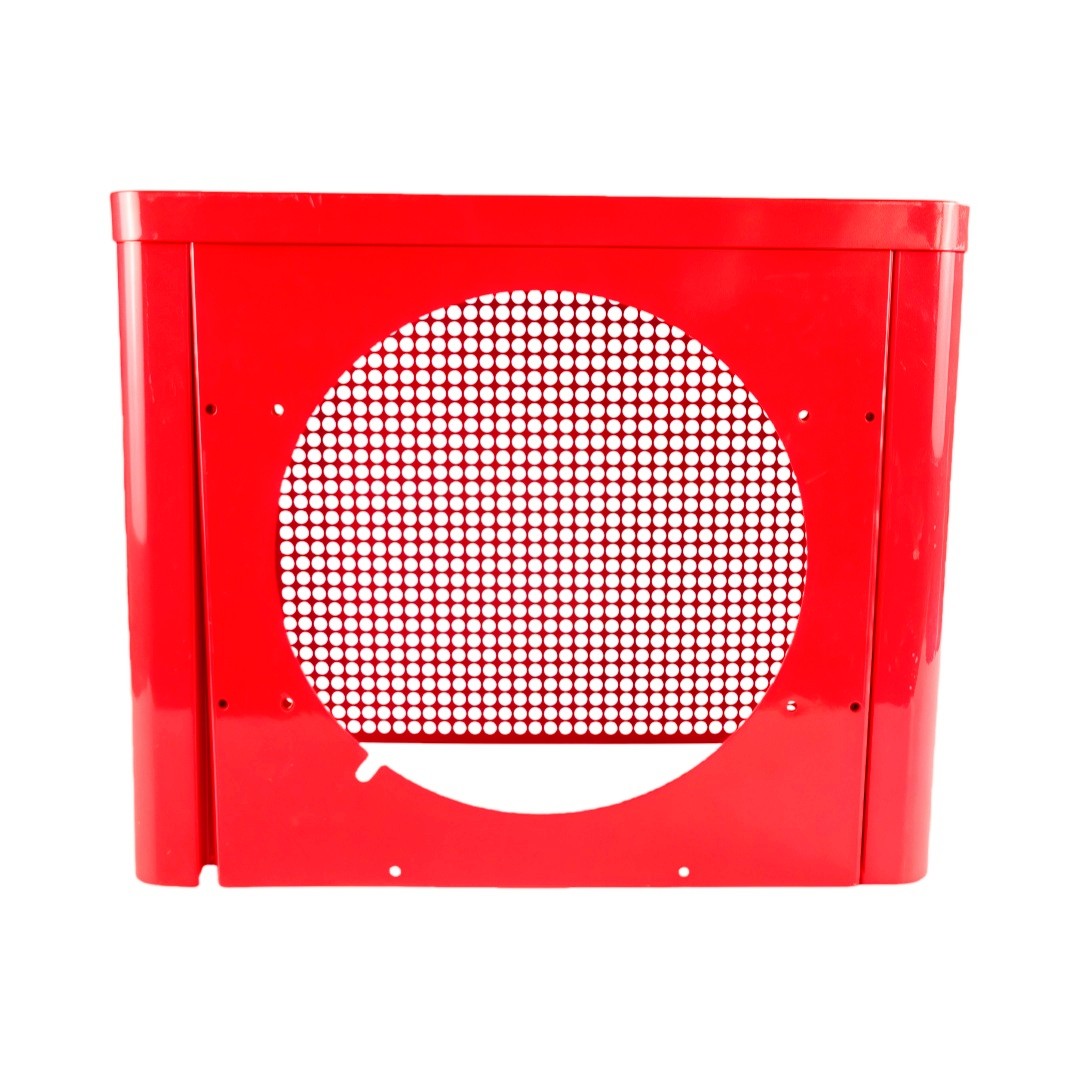
Include material, thickness, quantity, critical dimensions, finish and target date. We will review the manufacturing route before quoting.
Metal fabrication in China · ISO 9001:2015 · since 1998
Answers to the questions buyers ask most often are collected in our custom metal fabrication FAQ.
Stop coordinating a cutter, a bender, a welder and a coater who each blame the other. Our metal fabrication runs cutting, forming, welding, finishing and assembly as one controlled process inside our own 15,000 m² plant in Hebei — one work order, one inspection record, one company answerable for the finished part.
Every operation below runs on our own floor, under one work order and one control plan. When a bend angle fights a weld fixture, the two people involved sit in the same building — which is why the tolerance stack stays our problem instead of becoming yours.
Five stages, and you are told which one your job is in. Most delays in offshore fabrication come from silence, not from the machining.
A manufacturing engineer checks flat pattern, K-factor, bend sequence, weld distortion risk and finish masking before anything is cut. You get this feedback free, with the quote.
Pricing returns within 3 business hours on working days, direct from the engineer who reviewed the file — not an autoresponder.
Fixtures, weld sequences and inspection points are documented and recorded so batch ten matches batch one.
Incoming material, in-process and final inspection are defined by the drawing under our ISO 9001:2015 system.
Coating thickness is verified before packing. Export documentation and material certificates issued on request.
These are the issues our engineers flag most often when a new drawing arrives. We raise them with the quotation, before anything is cut, because every one of them is cheaper to fix on screen than on the press brake.
A folded 3D model unfolded with the wrong K-factor produces a blank that is a millimetre or two off across several bends — enough that holes miss their mates. We re-develop the flat from your solid model using the K-factor for the actual material and tooling, and tell you if your supplied DXF differs from ours.
A hole inside the bend deformation zone stretches into an oval. The usual guidance is to keep holes at least 2.5 times material thickness plus the bend radius away from the bend line. Where your design cannot allow that, we will say so and suggest either piercing after forming or a relief cut.
Asking for a sharp inside radius on 3 mm stainless invites cracking on the outer fibre, especially across the grain. As a working rule the inside radius should be at least equal to material thickness, more for hardened or high-tensile grades. We check your radius against the grade before quoting.
Individually reasonable tolerances can accumulate into a gap that will not close. We look at the assembly as a chain, identify which single dimension is actually critical to function, and propose tightening that one rather than every dimension — which is also the cheaper answer.
Powder coating adds real thickness. On a threaded hole or an earthing point that is the difference between a part that assembles and one that does not. If your drawing does not state what must stay bare, we ask, rather than guessing and shipping a batch you cannot use.
None of this is charged for. It is included with the quotation because catching a problem at drawing stage costs us an hour of engineering time, while catching it at first article costs both of us a tooling revision and three weeks.
Custom sheet metal fabrication cuts, bends, welds and finishes each part as a sequence of separate operations, which makes it the economical route for low to medium volumes and for designs that are still being revised — there is no die to pay for or to change. Metal stamping, by contrast, forms the part in a tool, which costs more up front but lowers the piece price sharply once volume is high. As a working guide, fabrication usually wins below a few thousand pieces a year and stamping above that, but the crossover depends on part geometry. We quote both routes on request and show you the tooling amortisation, because the cheaper answer for your specific part is a calculation, not an opinion.
A fabricated part carries tolerances from every operation: laser cutting holds profile to about ±0.05 mm, CNC bending holds angle to ±0.5°, and a welded assembly typically lands within ±0.5 mm against drawing and fixture. These do not simply add — the real risk is the tolerance stack across a multi-part assembly, where individually reasonable numbers accumulate into a gap that will not close. Our engineers review the assembly as a chain, identify the single dimension that is actually functional, and propose tightening that one rather than every feature. That is both the technically correct answer and the cheaper one, and it is why every quotation includes drawing feedback rather than just a price.
For buyers comparing fabrication suppliers in China, the cost drivers are material utilisation (how efficiently the flat pattern nests on a sheet), bend and weld labour, finish masking, and the number of handoffs between vendors. A single-source fabricator removes the handoff problem by controlling cut, form, weld and finish under one work order — which is why our lead times and quality records are measured against one accountable company rather than a chain. Quotations are returned within 3 business hours from the engineer who reviewed your drawing, and include design-for-manufacture feedback on nesting, bend sequence and finish masking before you commit to anything.
Check these against your drawing before you send it. If your part sits outside a limit, say so in the inquiry — we would rather tell you no in three hours than take the order and fail at first article.
| Sheet thickness | 0.3 – 6.0 mm production | Laser cutting up to 25 mm in carbon steel |
| Cutting tolerance | ±0.05 mm | On profile, material dependent |
| Bend length | Up to 3,200 mm | JFY TPR8-100 CNC press brake |
| Bend angle | ±0.5° | Confirmed at first article |
| Stamping range | 25 – 400 ton | Progressive, compound, transfer, single-stage |
| Machining tolerance | ±0.005 mm | HDL-OKK DMU38 five-axis centre |
| Welded assembly | Typically ±0.5 mm | Confirmed against drawing and fixture |
| Quality system | ISO 9001:2015 | Registration 34025Q30296R0S |
Precision sheet metal fabrication is judged on repeatability, not on a single good sample. XCWY is a sheet metal fabricator in China working from released drawings: laser cutting, CNC bending, welding, finishing and assembly are held to the tolerances published in the table above, and first article inspection is available before the run is released. If a feature on your drawing needs a tighter hold than that table shows, send it for a manufacturing review and we will tell you what the process can hold and what it cannot.
Sheet metal fabrication cuts, bends, welds and finishes each part largely as a sequence of separate operations, so it suits low to medium volumes and designs that still change — there is no tooling to pay for or modify. Metal stamping forms the part in a die, which costs money up front but makes each piece far cheaper and faster once volume is high. As a rough guide, fabrication tends to win below a few thousand pieces a year and stamping above it, but the crossover depends on part complexity. Send the drawing and the annual quantity and we will tell you which route is cheaper for your specific part, including the tooling amortisation.
MOQ starts at 1 piece for fabricated parts. Samples can be produced from a single piece so you can validate fit and finish before committing to volume.
Yes. XCWY has manufactured for European and North American buyers since 1998. Quotations, drawings and correspondence are handled in English, and export documentation is prepared with each shipment.
Production thickness is 0.3 to 6.0 mm, with laser cutting up to 25 mm in carbon steel. Profile tolerance is ±0.05 mm, bend angle ±0.5°, and welded assemblies typically ±0.5 mm confirmed against the drawing and fixture. Five-axis machined features hold ±0.005 mm. If your drawing calls for something tighter than these, tell us before you order rather than after — we would rather decline than fail at first article.
DXF, DWG, STEP, IGES, SLDPRT and PDF. If you only have a sample part or a hand sketch, send photographs with the critical dimensions marked and we will work from that.
Within 3 business hours on working days. The quote comes from the manufacturing engineer who reviewed your file and includes design-for-manufacture feedback.
Yes. Request it in your first message and we will return a signed NDA before you upload anything.
ISO 9001:2015, registration number 34025Q30296R0S, which you are welcome to verify independently against the register. If your programme is governed by an additional standard, name it in your enquiry and we will confirm in writing what we can meet before you place an order.
Yes. Mill certificates to EN 10204 are issued on request, and inspection reports are prepared to the requirements written on your drawing or purchase specification.
Yes. Powder coating, plating, anodizing, passivation, PEM hardware insertion and sub-assembly are all handled in-house, so you receive a finished part rather than a bag of components.
Ask for a live video walkthrough of the floor and we will arrange one — no appointment ritual. The photographs on this page are our own plant in Nanpi County, our ISO 9001:2015 registration number is published above so you can verify it independently, and our Alibaba.com storefront has been a Gold Supplier for 13 years with a 5.0 / 5 rating. Buyers are also welcome to visit in person.
Tell us with photographs and the measurements taken. If the fault is ours we rework or remake at our cost, and the corrective action goes into the control plan for that part so it does not repeat. We would rather absorb a rework than lose a repeat customer — which is why the on-time and quality figures above are worth checking rather than taking on trust.
XCWY provides custom sheet metal fabrication for OEM parts, frames and enclosures. Laser cutting, CNC press braking, welding, finishing and assembly are carried out against released drawings, with cutting on a 12,000W fiber laser and secondary 5-axis CNC machining available in the same supply chain under an ISO 9001:2015 quality system.
| Item | Detail |
|---|---|
| Laser cutting | 12,000W fiber laser for flat blanks, profiles and cut-outs |
| Bending | CNC press braking with bend radius and spring-back control |
| Welding | MIG, TIG and spot welding for sheet parts and fabricated frames |
| Machining | Secondary 5-axis CNC operations for critical features |
| Finishing | Deburring, grinding, brushing and coating preparation |
| Assembly | Hardware installation, sub-assembly and packing |
Laser cutting, CNC bending, welding, deburring, finishing, hardware installation and sub-assembly, supported by 5-axis CNC machining for critical features.
Stainless steel, carbon steel, galvanised steel, aluminium, copper and brass are processed, with material and temper confirmed per drawing.
Tolerances are applied per process: cut features, formed features and welded assemblies each hold different ranges, so the drawing should state requirements separately.
Deburring, grinding, brushing and preparation for coating are standard finishing steps, and coating can be arranged against the stated specification.
Files, material, thickness, quantities, tolerances, finish and packaging requirements, plus the target delivery schedule.