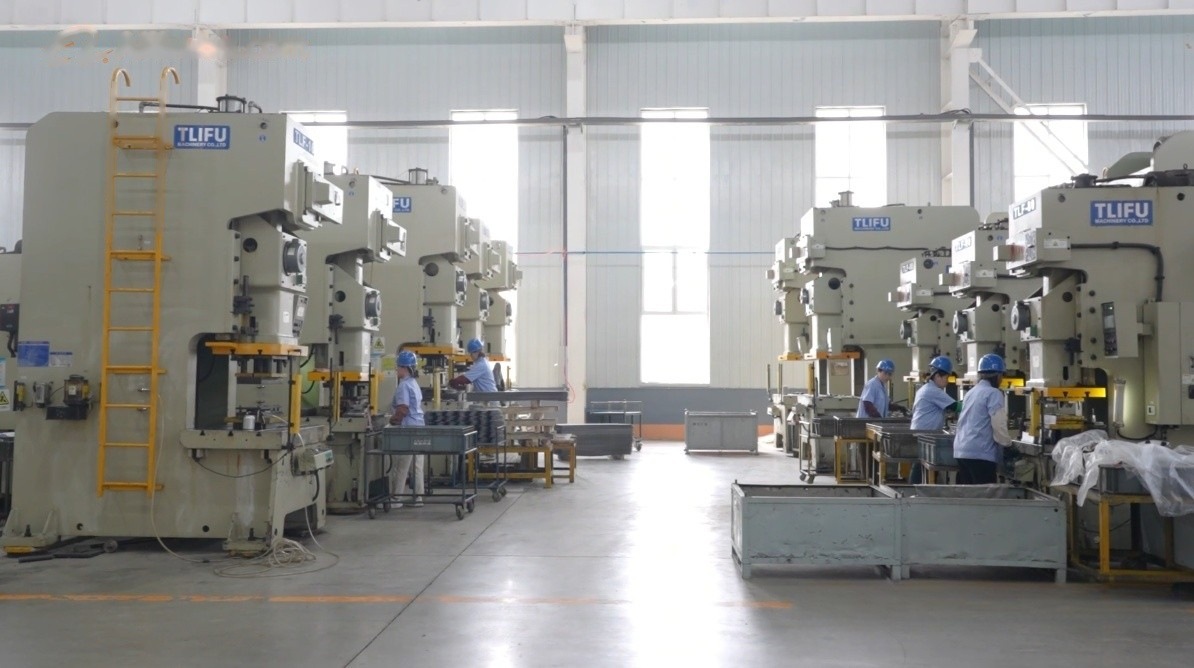
How to Choose a Metal Stamping Supplier: Audit and RFQ Guide
How to Choose a Metal Stamping Supplier: Audit and RFQ Guide is a practical engineering reference for teams that need manufacturable metal parts without hiding risk behind generic rules. Selection should verify press fit, die engineering, process control, secondary operations, measurement, ownership, and launch discipline—not price alone. The guide explains how to translate function into process choices, tolerances, inspection points, and supplier questions. It also shows where prototype evidence should replace assumptions. XCWY has supported metal-part production since 1998 and can combine stamping, deep drawing, laser cutting, bending, five-axis machining, welding, PEM insertion, finishing coordination, and CMM inspection. Available equipment includes 25–400-ton presses, a 12 kW laser, a 3,200 mm press brake, and a DMU38 five-axis center. The operating quality system is ISO 9001:2015, certificate 34025Q30296R0S. Use this how to choose metal stamping supplier resource to prepare a clearer RFQ, compare feasible routes, and agree acceptance criteria before material or tooling is committed.
Request a Drawing Review
Attach the drawing, revision, material, quantity, critical tolerances, finish and target date. The inquiry is saved in the site database and emailed to the XCWY team.
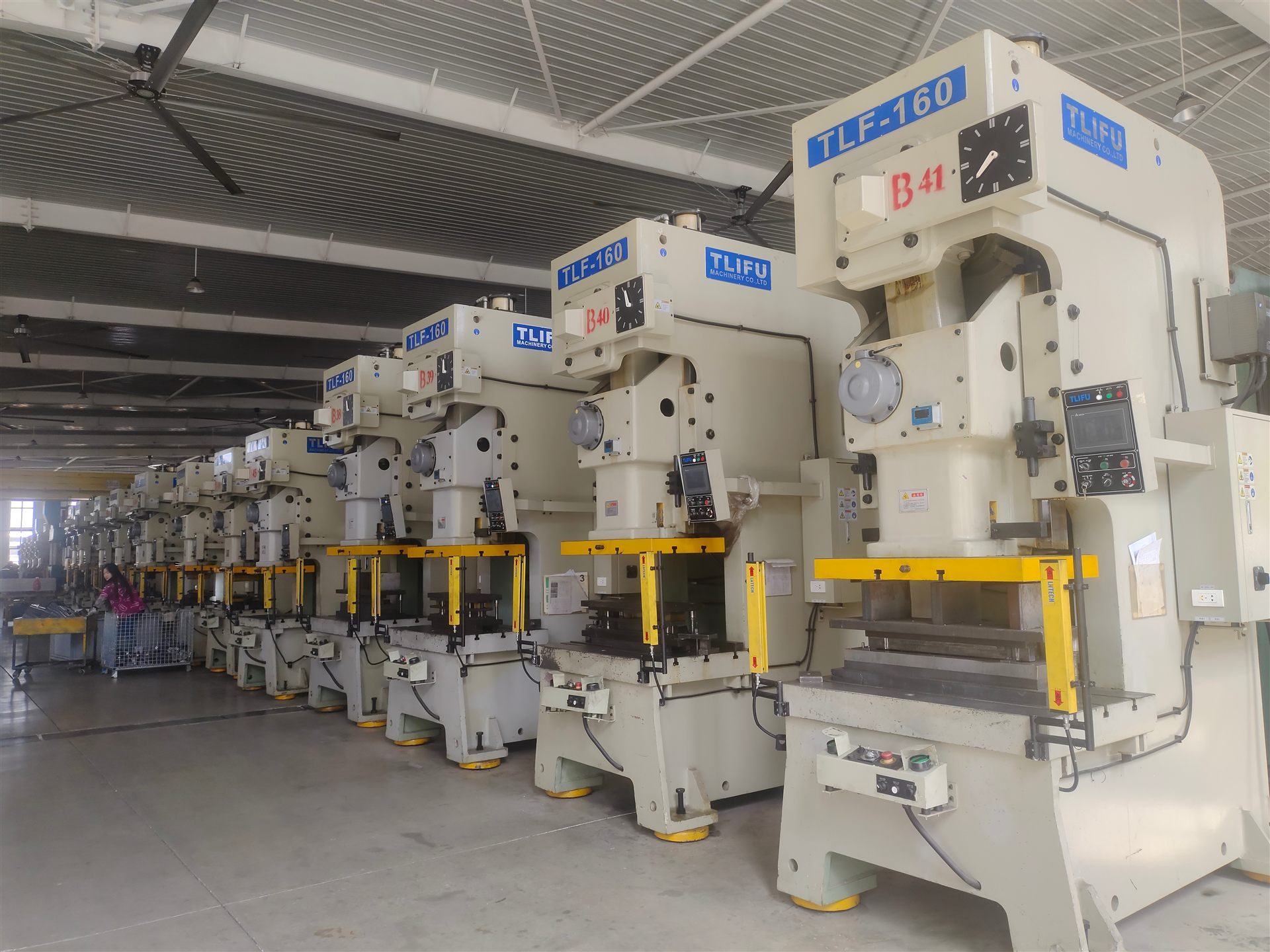
Match Press Capacity to the Part
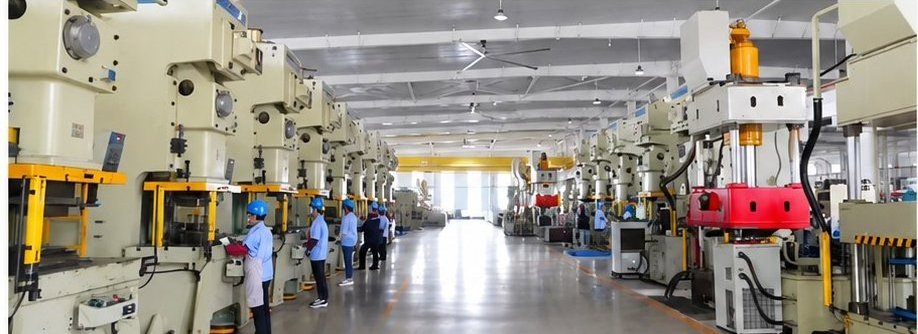
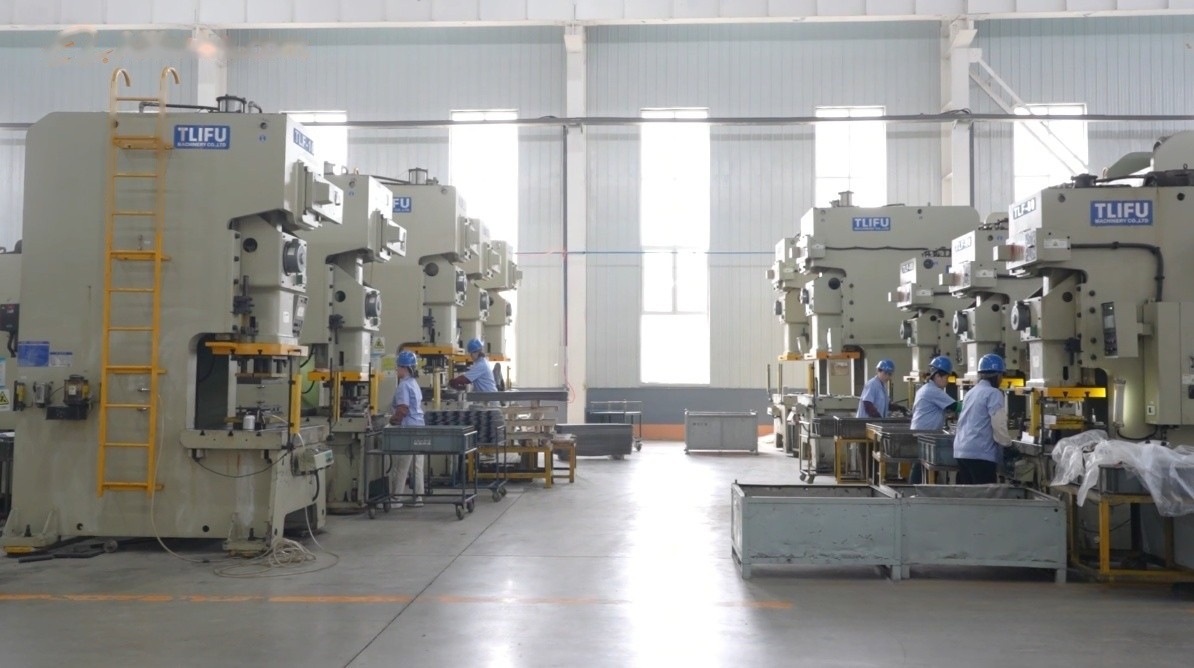
Within how to choose a metal stamping supplier: audit and rfq guide, treat match press capacity to the part as a controlled engineering choice rather than a drawing afterthought. Ask for available tonnage, bed size, stroke, shut height, feed capability, and material limits rather than accepting a generic stamping claim. Estimate force for cutting, forming, drawing, and restriking with safety margin. XCWY lists presses from 25 to 400 tons. Capacity fit also includes coil handling, straightening, sensor integration, and access for the intended die architecture. When documenting match press capacity to the part, separate mandatory functional requirements from preferences, then identify the datums, interfaces, cosmetic zones, load paths, and acceptance evidence relevant to this decision. The drawing, CAD model, material callout, finish note, and revision should give one consistent definition of the match press capacity to the part requirement. Apply tight limits only where match press capacity to the part affects fit, motion, safety, sealing, or interchangeability; a blanket tolerance can add setup and inspection cost without improving performance. If uncertainty remains around match press capacity to the part, approve a representative first article before committing production material or tooling.
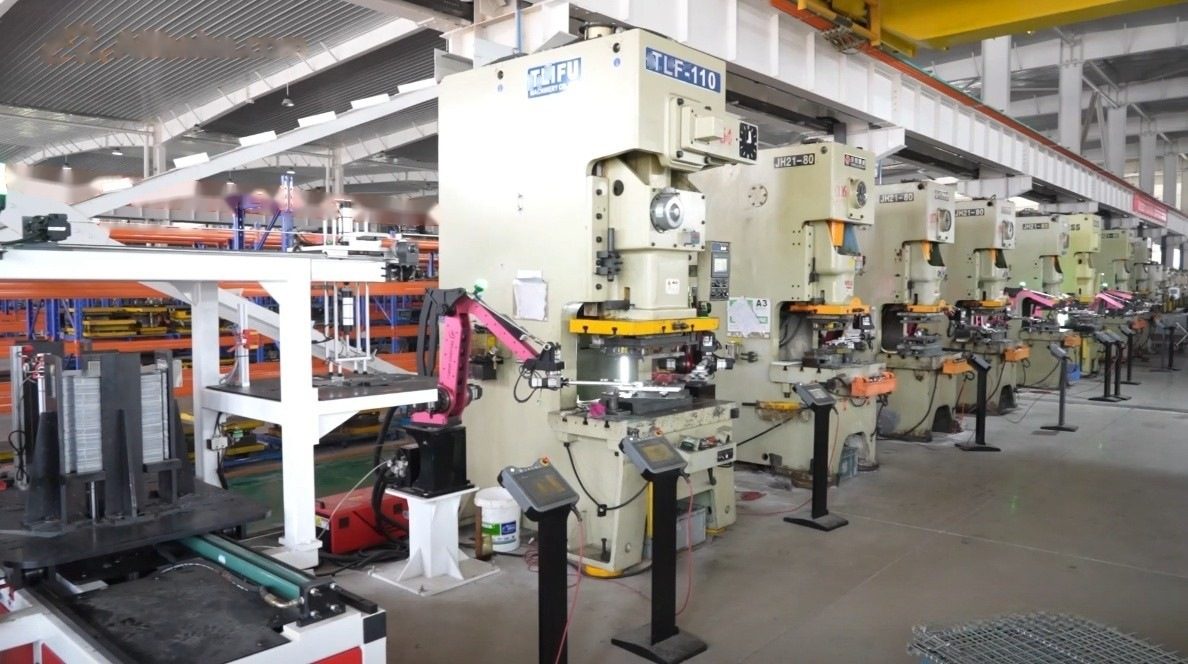
Evaluate Tooling Engineering
For how to choose a metal stamping supplier: audit and rfq guide, resolve evaluate tooling engineering before production data is released. Review how the supplier plans strip layout, draw development, pilots, lifters, scrap evacuation, die protection, inserts, and maintenance access. Clarify who owns design data and physical tooling, where it will be stored, and how changes are approved. A capable team should explain risk areas and tryout criteria without implying that simulation eliminates physical validation. Ask for preventive-maintenance and spare-insert strategies. When documenting evaluate tooling engineering, separate mandatory functional requirements from preferences, then identify the datums, interfaces, cosmetic zones, load paths, and acceptance evidence relevant to this decision. The drawing, CAD model, material callout, finish note, and revision should give one consistent definition of the evaluate tooling engineering requirement. Apply tight limits only where evaluate tooling engineering affects fit, motion, safety, sealing, or interchangeability; a blanket tolerance can add setup and inspection cost without improving performance. If uncertainty remains around evaluate tooling engineering, approve a representative first article before committing production material or tooling.
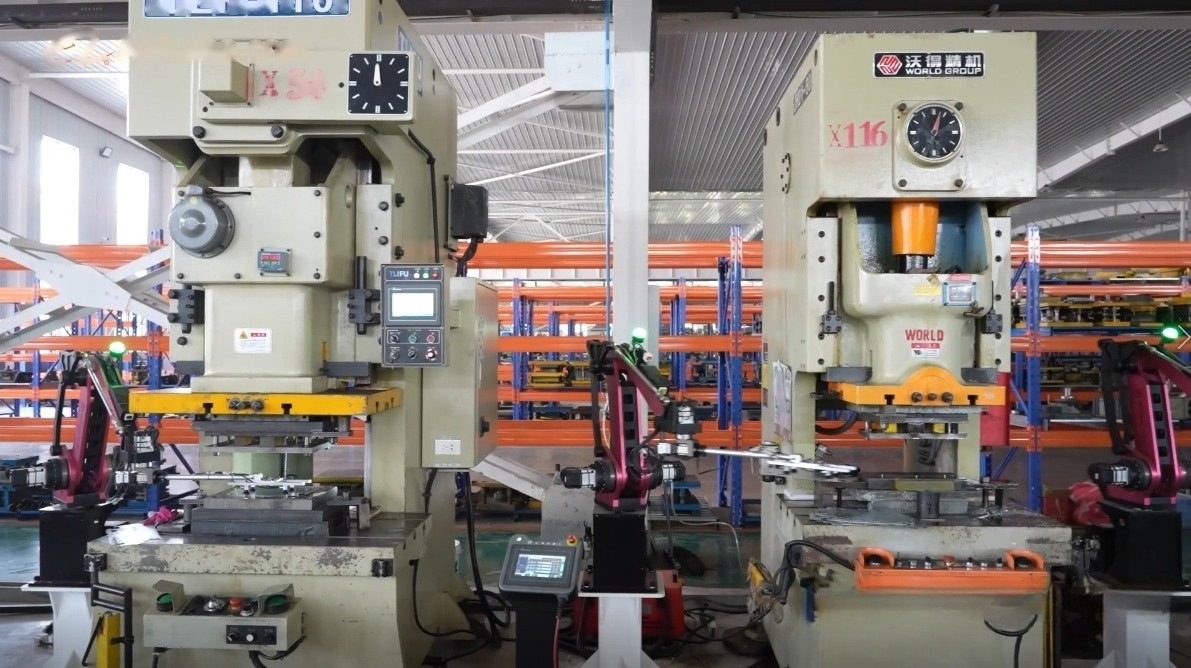
Verify Material and Process Control
In how to choose a metal stamping supplier: audit and rfq guide, a review of verify material and process control must connect geometry, material behavior, tooling access, and inspection. Traceability should connect incoming coils or blanks to certificates, production lots, setup records, and inspection results. Ask how thickness, temper, grain, lubrication, feed pitch, tonnage, and tool condition are controlled. Confirm procedures for first-off approval, line clearance, nonconforming product, and restart after interruption. Evidence matters more than a polished capability list, particularly for repeat orders with interchangeable parts. When documenting verify material and process control, separate mandatory functional requirements from preferences, then identify the datums, interfaces, cosmetic zones, load paths, and acceptance evidence relevant to this decision. The drawing, CAD model, material callout, finish note, and revision should give one consistent definition of the verify material and process control requirement. Apply tight limits only where verify material and process control affects fit, motion, safety, sealing, or interchangeability; a blanket tolerance can add setup and inspection cost without improving performance. If uncertainty remains around verify material and process control, approve a representative first article before committing production material or tooling.
Assess Quality and Measurement
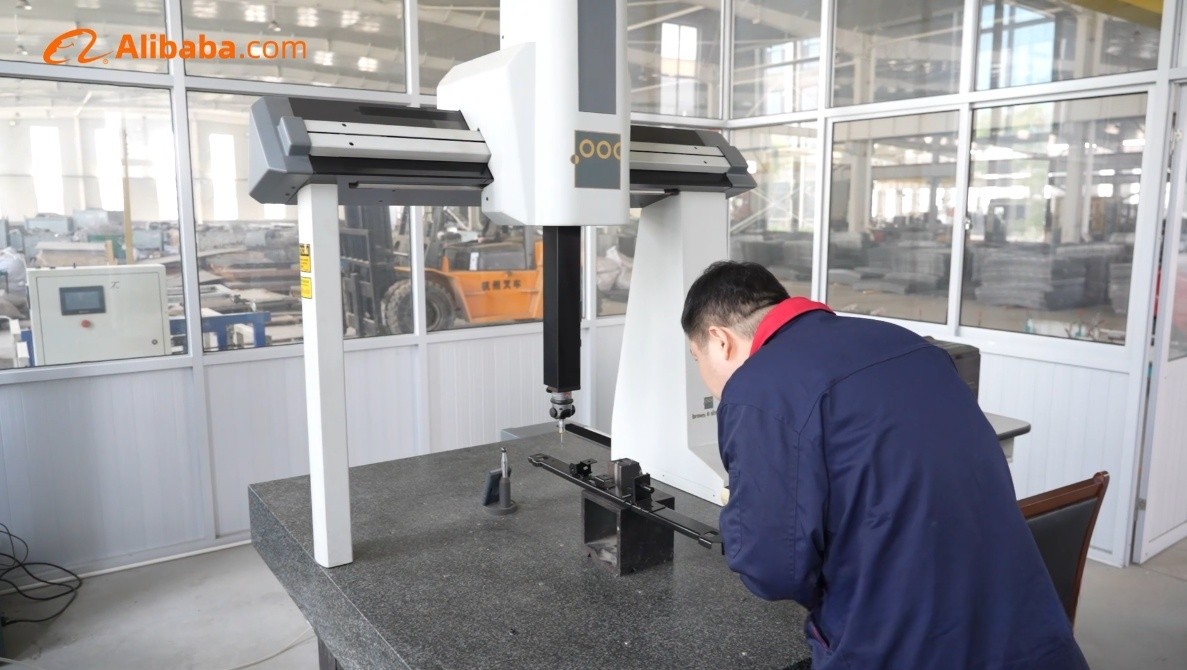
Within how to choose a metal stamping supplier: audit and rfq guide, treat assess quality and measurement as a controlled engineering choice rather than a drawing afterthought. Compare the supplier’s certified system with the requirements of your market. XCWY holds ISO 9001:2015 certificate 34025Q30296R0S and does not claim ISO 13485, IATF 16949, AS9100, or UL. Review calibration, CMM access, gauge repeatability, control plans, sampling, retention, and corrective action. Ensure the proposed gauges can evaluate the actual datums and characteristics at production cadence. When documenting assess quality and measurement, separate mandatory functional requirements from preferences, then identify the datums, interfaces, cosmetic zones, load paths, and acceptance evidence relevant to this decision. The drawing, CAD model, material callout, finish note, and revision should give one consistent definition of the assess quality and measurement requirement. Apply tight limits only where assess quality and measurement affects fit, motion, safety, sealing, or interchangeability; a blanket tolerance can add setup and inspection cost without improving performance. If uncertainty remains around assess quality and measurement, approve a representative first article before committing production material or tooling.
Check Secondary Operations
For how to choose a metal stamping supplier: audit and rfq guide, resolve check secondary operations before production data is released. Stamped parts may require tapping, machining, deburring, welding, spot welding, PEM insertion, polishing, plating, powder coating, or assembly. A supplier should identify which work is internal and which is coordinated externally, then preserve lot identity through every stage. Confirm how heat and coating thickness affect dimensions. One accountable route can simplify communication, but only if process ownership and acceptance criteria remain explicit. When documenting check secondary operations, separate mandatory functional requirements from preferences, then identify the datums, interfaces, cosmetic zones, load paths, and acceptance evidence relevant to this decision. The drawing, CAD model, material callout, finish note, and revision should give one consistent definition of the check secondary operations requirement. Apply tight limits only where check secondary operations affects fit, motion, safety, sealing, or interchangeability; a blanket tolerance can add setup and inspection cost without improving performance. If uncertainty remains around check secondary operations, approve a representative first article before committing production material or tooling.

Run a Commercial and Launch Review
In how to choose a metal stamping supplier: audit and rfq guide, a review of run a commercial and launch review must connect geometry, material behavior, tooling access, and inspection. Request separate prices for tooling, piece parts, material assumptions, finish, inspection, packaging, and revisions. State prototype, ramp, annual volume, release batch, and service demand. Review lead-time drivers and the response to forecast changes. Use a controlled first article and capability evidence on critical features before production approval. XCWY supports MOQ 1 where feasible and targets quotes within three business hours for complete packages. When documenting run a commercial and launch review, separate mandatory functional requirements from preferences, then identify the datums, interfaces, cosmetic zones, load paths, and acceptance evidence relevant to this decision. The drawing, CAD model, material callout, finish note, and revision should give one consistent definition of the run a commercial and launch review requirement. Apply tight limits only where run a commercial and launch review affects fit, motion, safety, sealing, or interchangeability; a blanket tolerance can add setup and inspection cost without improving performance. If uncertainty remains around run a commercial and launch review, approve a representative first article before committing production material or tooling.
Engineering Decision Table
| Condition | Recommendation | Why |
|---|---|---|
| Unproven geometry—how to choose metal stamping supplier | Run a representative prototype | Evidence reveals springback, distortion, access, and inspection risks in how to choose metal stamping supplier. |
| Functional characteristic—how to choose metal stamping supplier | Define datum-based measurement | Critical how to choose metal stamping supplier controls need unambiguous acceptance evidence. |
| Cosmetic-only feature—how to choose metal stamping supplier | Set an appearance-zone limit | A bounded how to choose metal stamping supplier standard avoids unnecessary precision cost. |
| Low volume or changing design—how to choose metal stamping supplier | Defer dedicated tooling | A flexible how to choose metal stamping supplier route preserves revision freedom. |
| Stable repeat demand—how to choose metal stamping supplier | Evaluate dedicated tooling or gauges | Upfront how to choose metal stamping supplier engineering can reduce cycle time and variation. |
| Approved input changes—how to choose metal stamping supplier | Perform a documented delta review | Substitution can change how to choose metal stamping supplier dimensions, corrosion, or appearance. |
| Sector certification required—how to choose metal stamping supplier | Confirm compliance before sourcing | XCWY does not claim ISO 13485, IATF 16949, AS9100, or UL. |
RFQ and Drawing Checklist
- Define the functional objective and failure modes—how to choose metal stamping supplier.
- Attach matching 3D and revision-controlled 2D files—how to choose metal stamping supplier.
- State material grade, temper, thickness, and substitution rules—how to choose metal stamping supplier.
- Identify datums and critical-to-function dimensions—how to choose metal stamping supplier.
- Separate cosmetic surfaces from nonappearance zones—how to choose metal stamping supplier.
- Specify edge break, burr direction, and sharp-edge restrictions—how to choose metal stamping supplier.
- Call out finish standard, color, gloss, masking, and test method—how to choose metal stamping supplier.
- Provide prototype, launch, and expected annual quantities—how to choose metal stamping supplier.
- Agree measurement equipment, sampling, and report format—how to choose metal stamping supplier.
- Confirm joining hardware, weld symbols, and assembly sequence—how to choose metal stamping supplier.
- Review packaging protection for surfaces and formed features—how to choose metal stamping supplier.
- Resolve open DFM questions before approving material or tooling—how to choose metal stamping supplier.
Manufacturing Evidence — Choosing a Stamping Supplier
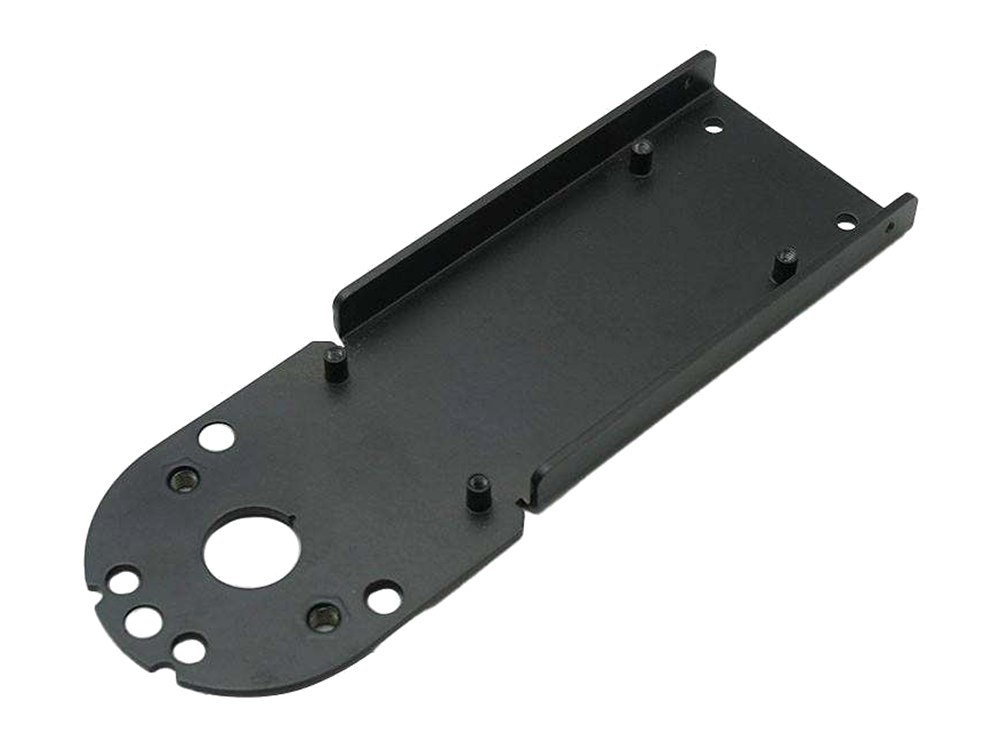
The images below come from the XCWY site asset library and show the plant, equipment, inspection areas and representative parts already published for Choosing a Stamping Supplier.
Frequently Asked Questions
When should an engineer request DFM feedback for how to choose metal stamping supplier?
Request how to choose metal stamping supplier feedback before freezing the drawing and after any material, tolerance, finish, or volume change. An early how to choose metal stamping supplier review leaves room to alter geometry before tooling or purchase orders are released.
What files make a how to choose metal stamping supplier RFQ technically complete?
For how to choose metal stamping supplier, provide matching 3D and controlled 2D data, material grade and temper, quantities, finish, critical dimensions, inspection expectations, and assembly context.
Can XCWY support one how to choose metal stamping supplier prototype?
XCWY offers MOQ 1 when the selected how to choose metal stamping supplier route is practical. A flexible prototype route may be proposed before production tooling is justified for how to choose metal stamping supplier.
How quickly can XCWY quote a how to choose metal stamping supplier project?
XCWY targets a how to choose metal stamping supplier quotation within three business hours after receiving a complete package. Unclear how to choose metal stamping supplier specifications, missing models, or complex tooling require clarification first.
Which quality certification applies to how to choose metal stamping supplier?
Work involving how to choose metal stamping supplier operates under XCWY’s ISO 9001:2015 system, certificate 34025Q30296R0S. For how to choose metal stamping supplier, XCWY does not claim ISO 13485, IATF 16949, AS9100, or UL certification.
What is the most important project-specific check for how to choose metal stamping supplier?
Verify that the proposed press, die concept, material controls, secondary operations, and measurement plan match your specific part and volumes; general factory capacity is not enough.
Related XCWY Capabilities
Get a Manufacturing Review and Quote
Attach the drawing, revision, material, quantity, critical tolerances, finish and target date. The inquiry is saved in the site database and emailed to the XCWY team.