 LOADING
LOADING
LOADING
Prefer to send a drawing? Use the full RFQ form, email xcwystamping@xcwybj.com or message WhatsApp.
All images below are existing XCWY assets from the factory, production equipment, quality areas or representative custom parts.
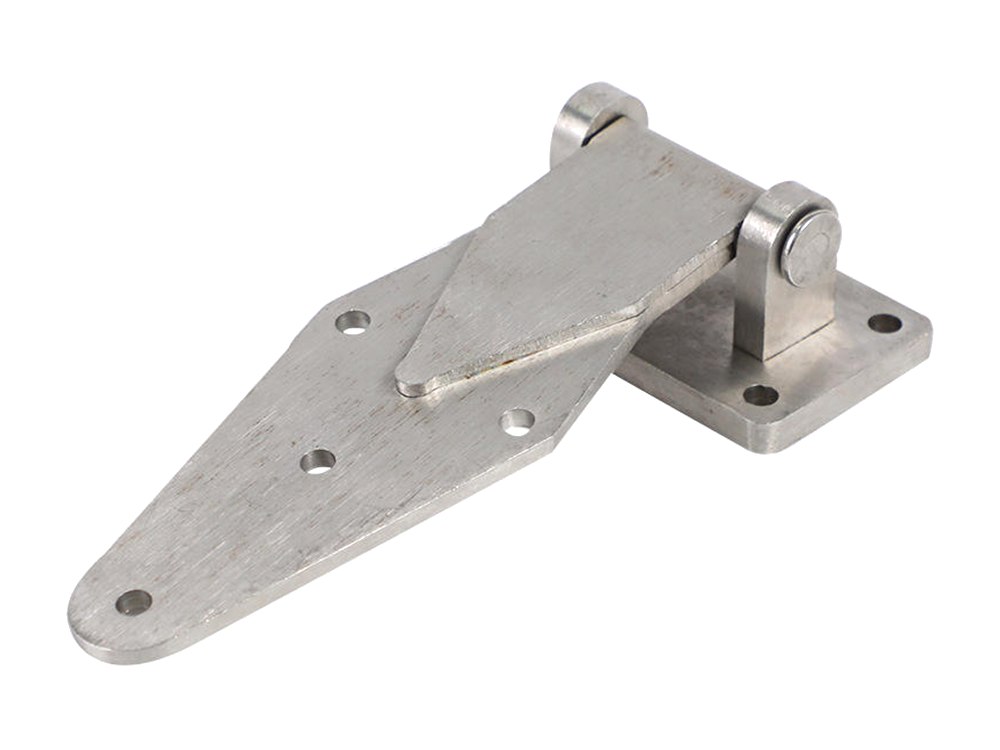
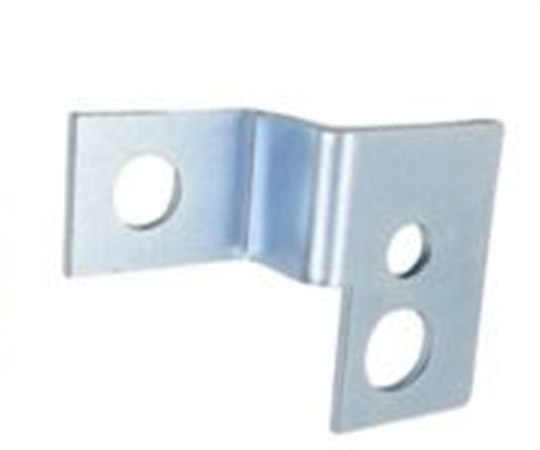
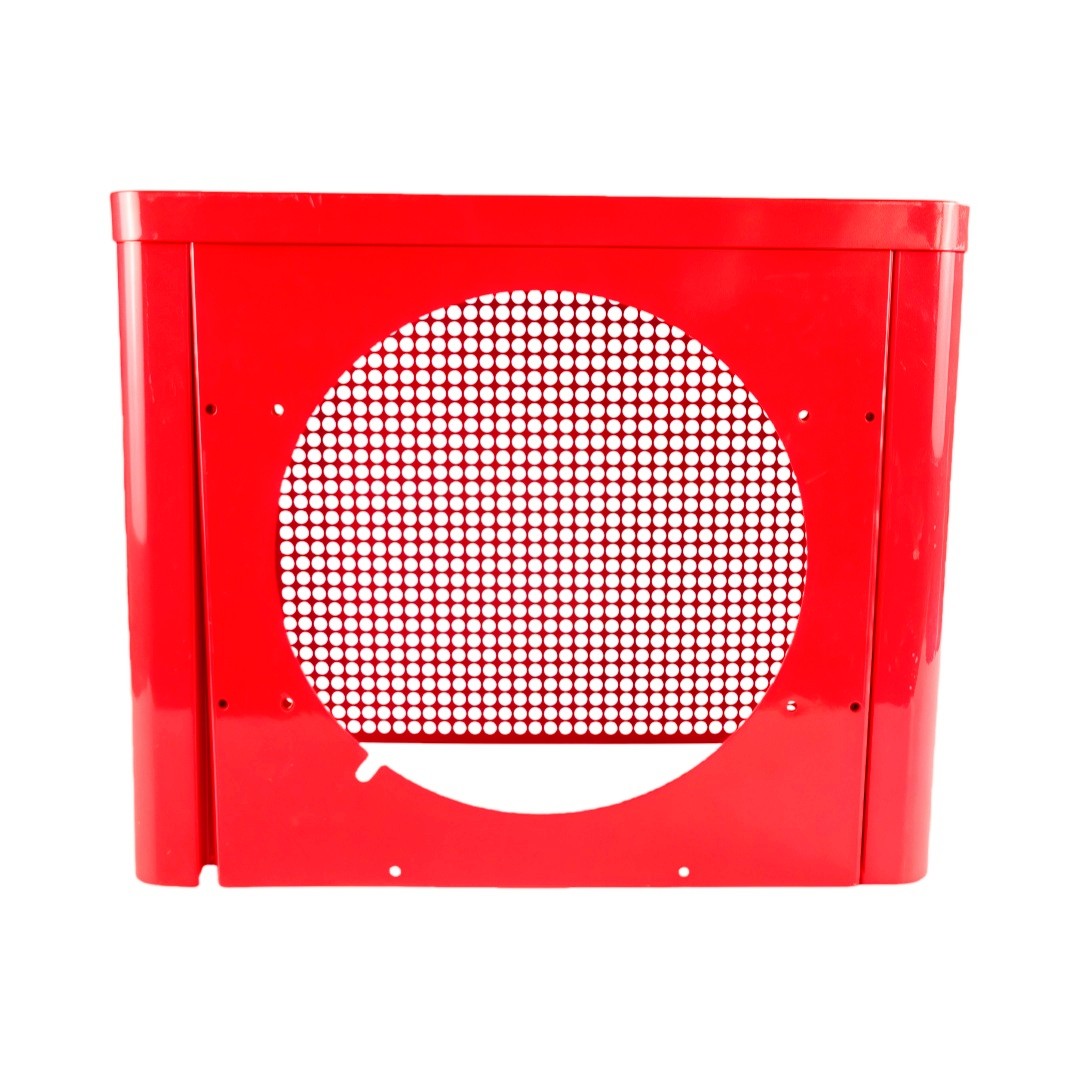
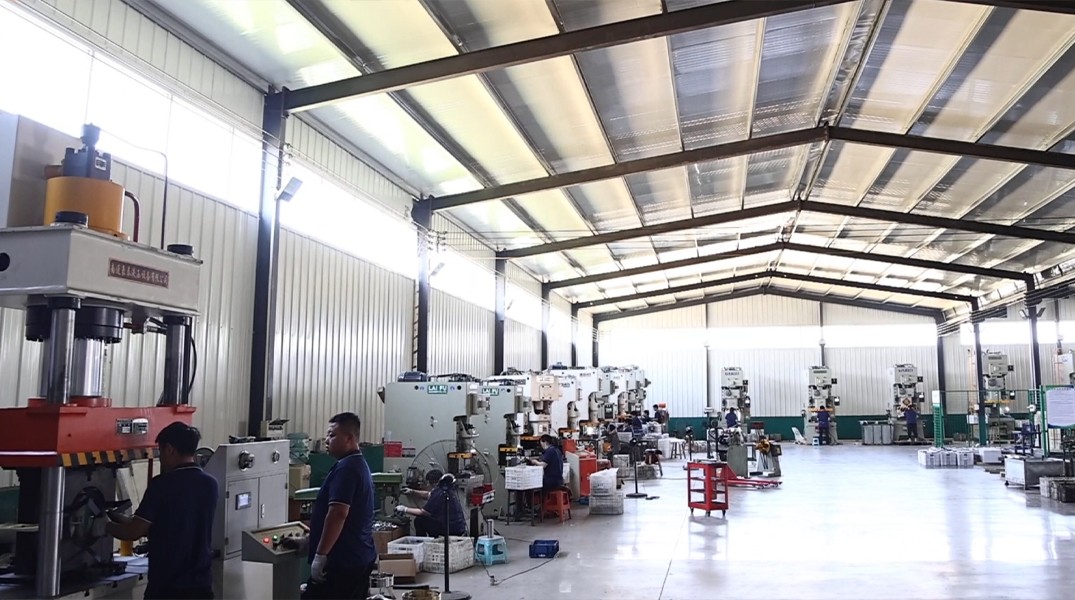
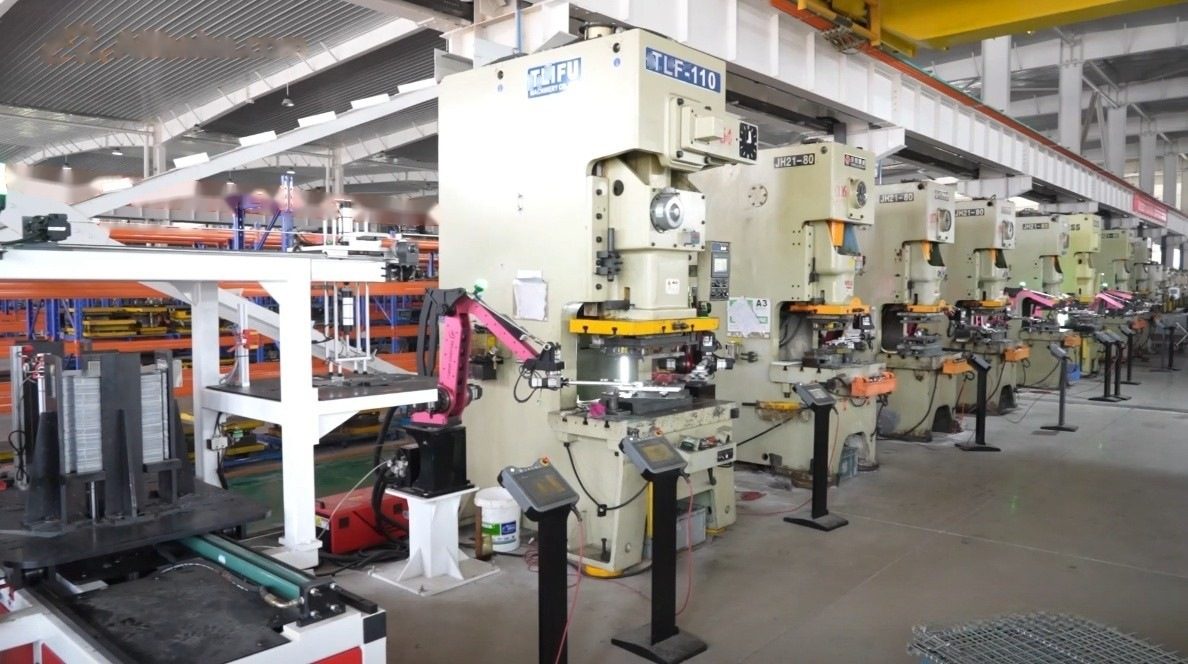
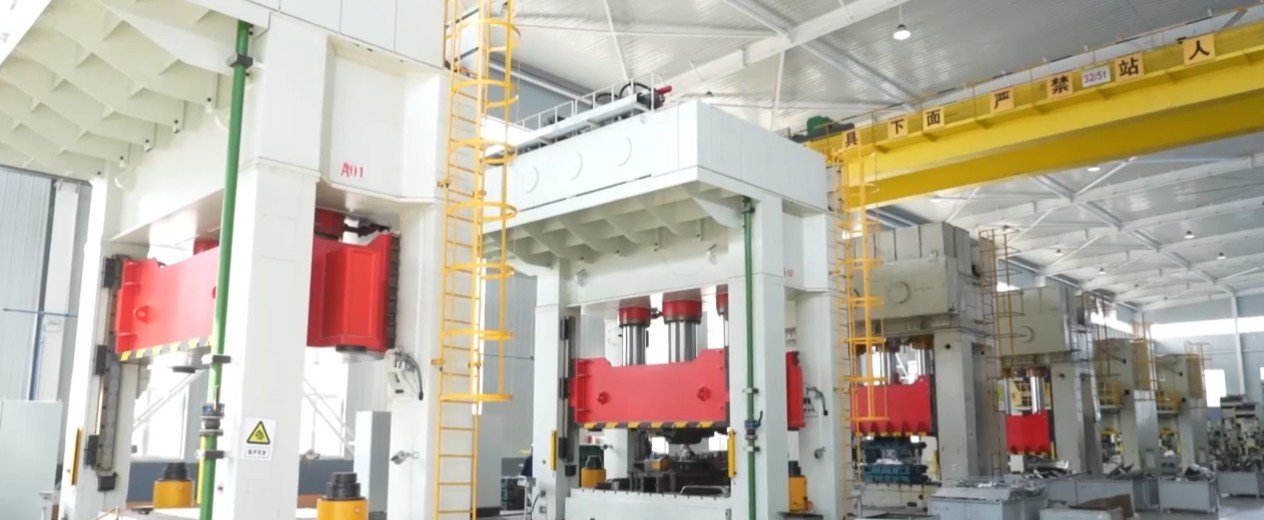
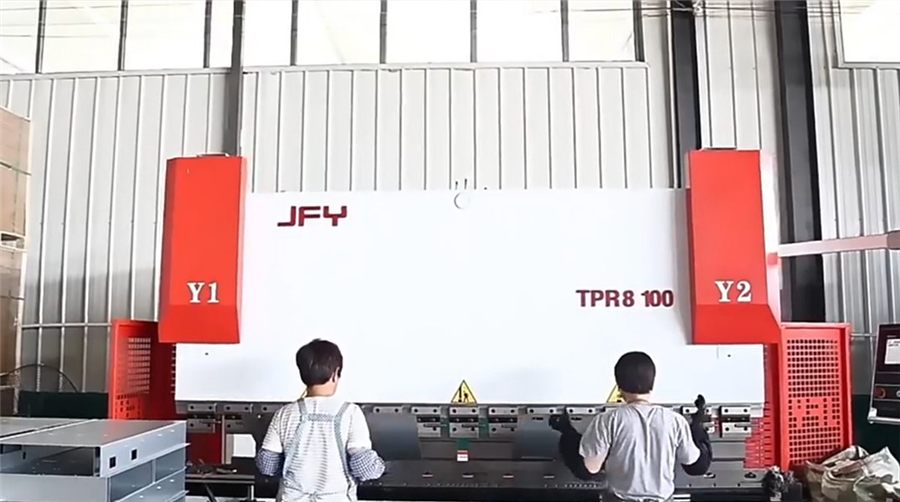
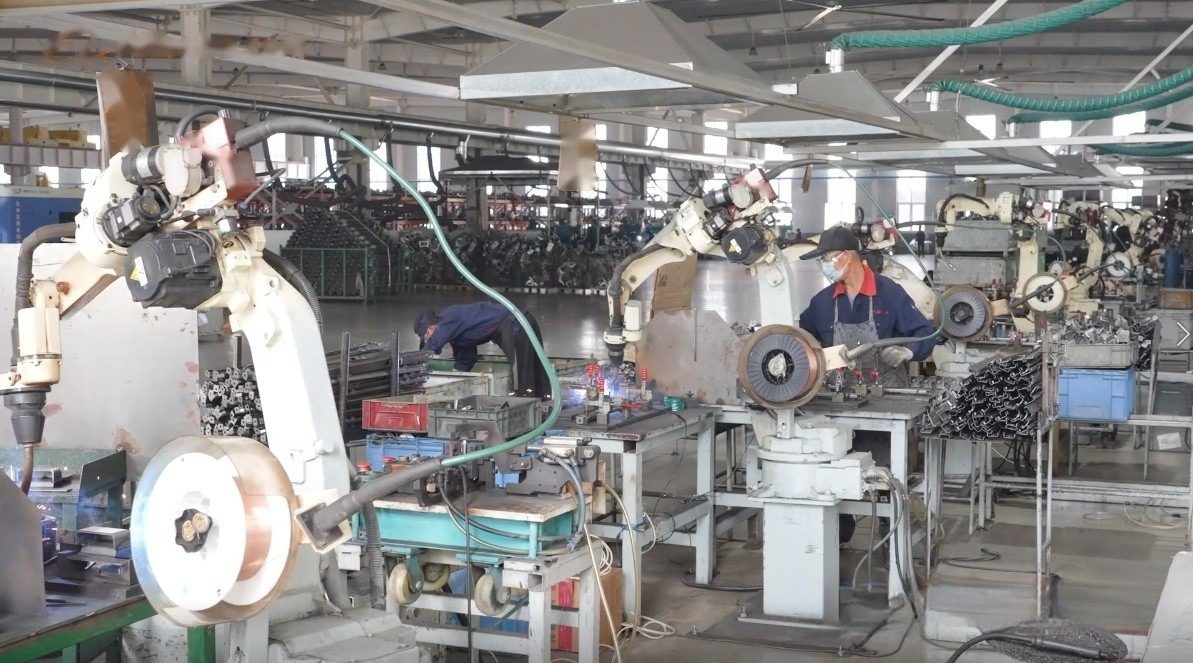
Include material, thickness, quantity, critical dimensions, finish and target date. We will review the manufacturing route before quoting.
Material decisions linked to process behaviour
Material grade, temper, thickness and documentation requirements are confirmed against the drawing and process route before production.
Strength, elongation, formability, corrosion environment, conductivity, finish and cost all influence the correct grade.
Specify mill certificates, traceability and regulatory documentation in the request for quotation.
| Stainless steel | Common formed and machined grades by drawing |
| Aluminium | Sheet and machining alloys by application |
| Carbon steel | Cold-rolled and other specified grades |
| Copper and brass | Formable and conductive alloys by requirement |
Choose from the environment rather than the price. 304 handles indoor use, most food processing, and general outdoor exposure well. 316L contains molybdenum and resists chlorides — salt air, brine, swimming pool chemistry and several industrial sanitisers — where 304 will eventually pit. If your part is coastal, marine, chemical or subject to aggressive wash-down, 316L is usually the cheaper decision over the life of the equipment. Tell us the environment and cleaning regime and we will recommend.
5052 has excellent formability and is the usual choice where the part will be bent or drawn — folded housings, enclosures, chassis panels. 6061 is stronger and machines very well, but it is less forgiving in forming and can crack at tight bend radii, so it needs a more generous radius. As a rule of thumb: if the part is mostly folded, 5052; if it is mostly machined or carries structural load, 6061.
Yes. Mill certificates to EN 10204 are issued on request and recorded against the production batch. Ask in the enquiry rather than after delivery — requested up front it is routine and costs nothing; requested afterwards it becomes a reconstruction exercise.
Production fabrication runs from 0.3 to 6.0 mm, and our 12,000 W fiber laser cuts carbon steel up to 25 mm for heavier structural work. Stamping covers the same 0.3 to 6.0 mm range on 25 – 400 ton presses. Grade and geometry both affect what is realistic at the extremes, so send the drawing and we will confirm against your specific part.
Not without your written approval. If a named grade cannot be sourced we will tell you, propose an alternative with the reasoning, and wait for your agreement. A part in the wrong material can pass every dimensional check and still fail in service, so this is not a decision we take on your behalf.
Common grades and thicknesses are held so repeat production is not waiting on a mill. Less common grades, tempers and specialist alloys are purchased against the order, which affects lead time — so if your part uses something unusual, mention it in the enquiry and we will tell you what that means for scheduling.
Yes. XCWY operates a 15,000 m² factory in Nanpi County with six production lines covering stamping, deep drawing, laser cutting, bending, welding and machining.
Yes. An engineering review checks process route, material, tooling implications and inspection requirements before a quotation is prepared.
Production is managed under ISO 9001:2015. Incoming material, first article, in-process and final inspection requirements are defined by the drawing and purchase specification.