 LOADING
LOADING
LOADING
Prefer to send a drawing? Use the full RFQ form, email xcwystamping@xcwybj.com or message WhatsApp.
All images below are existing XCWY assets from the factory, production equipment, quality areas or representative custom parts.
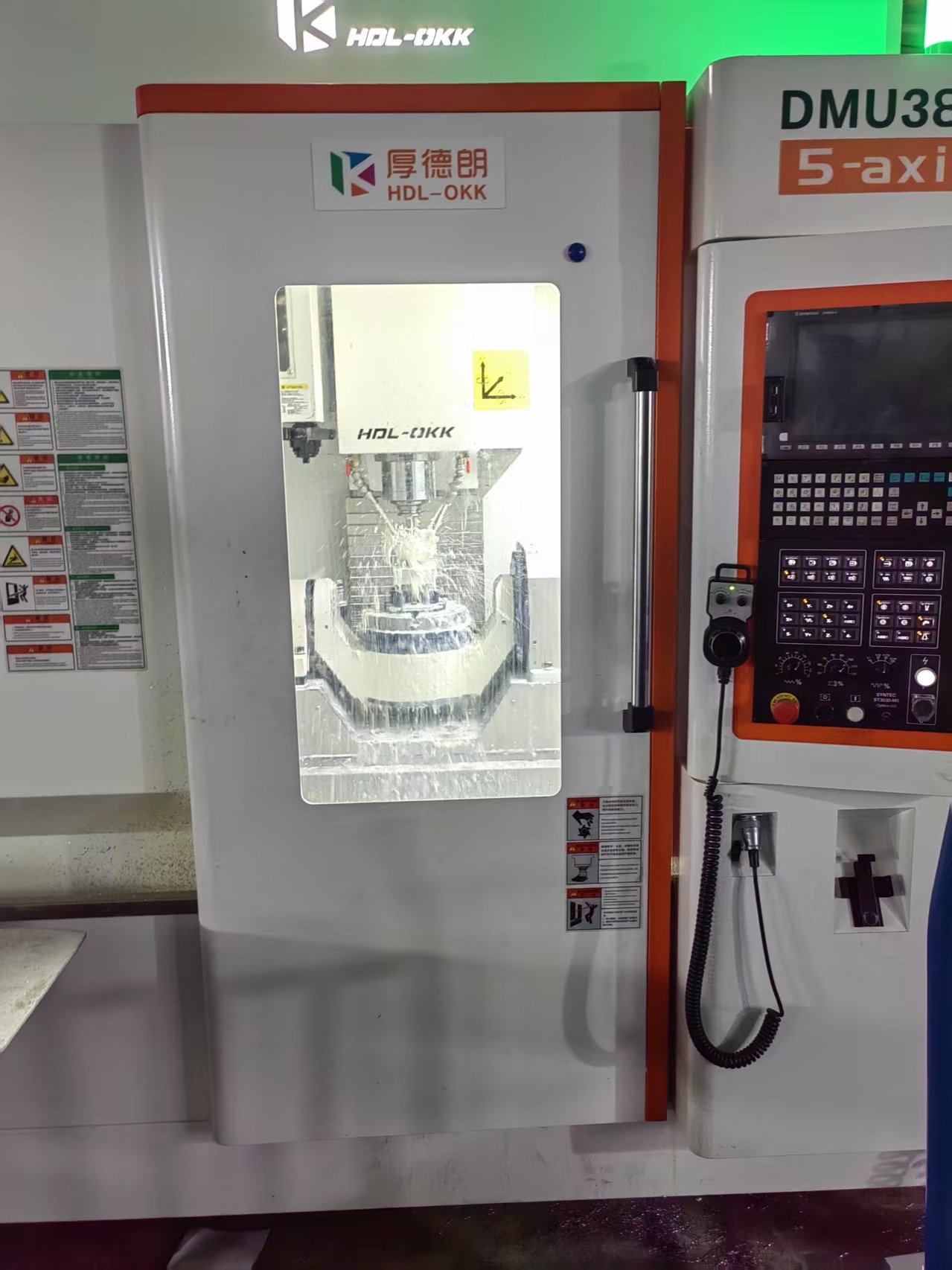
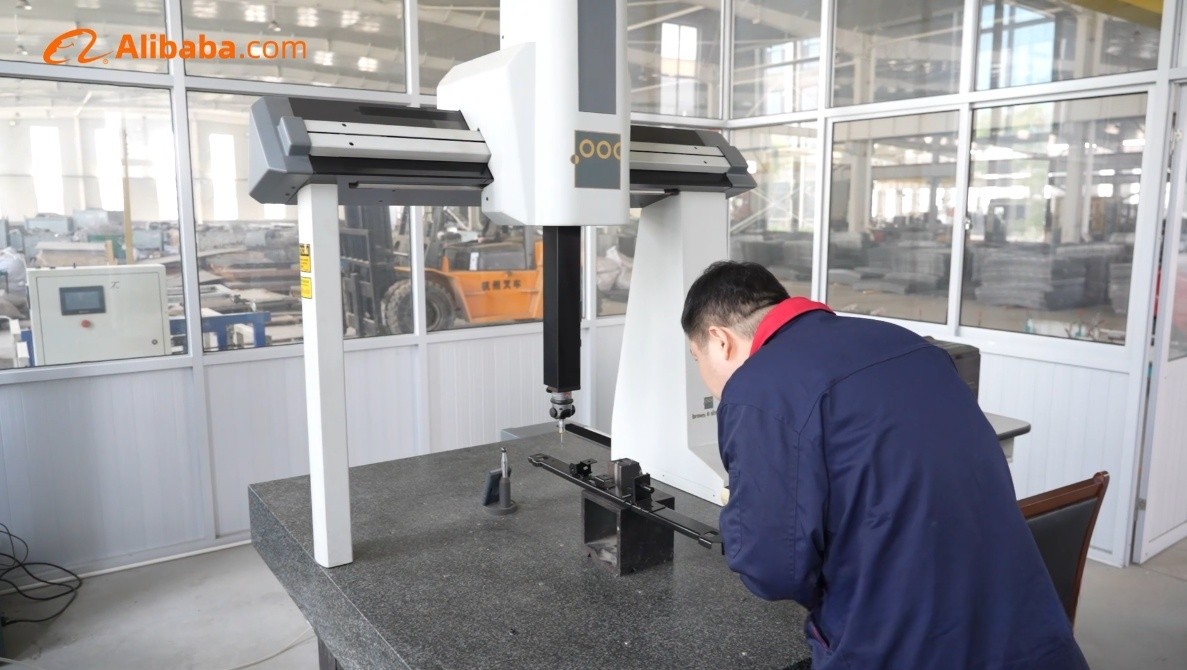
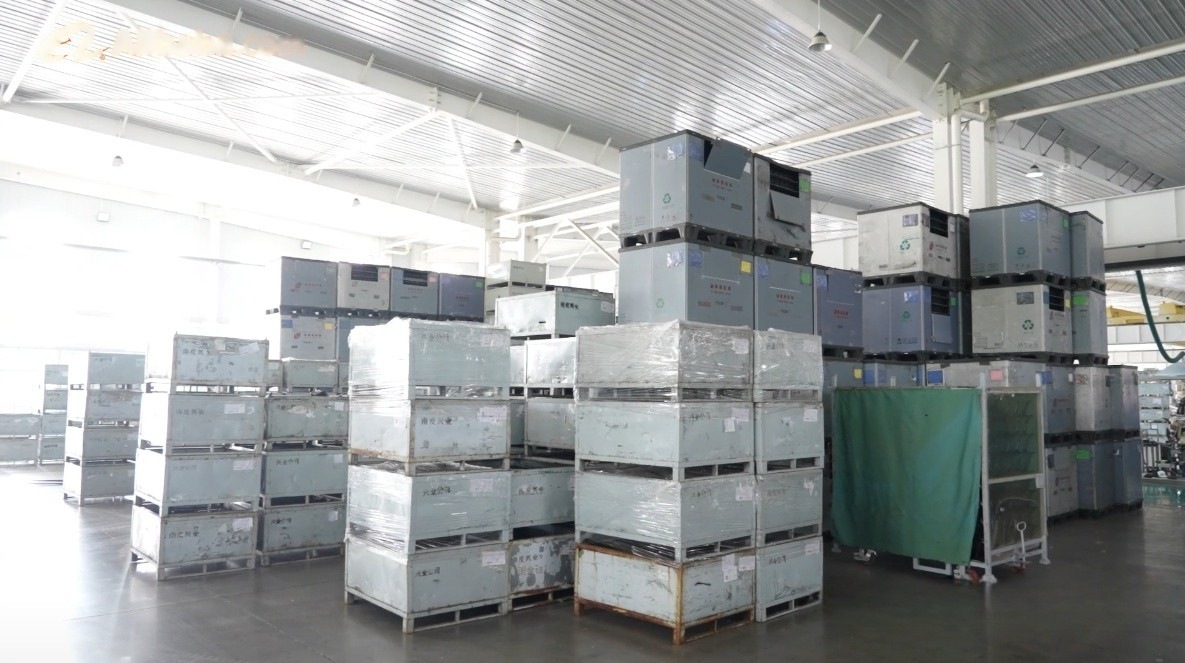
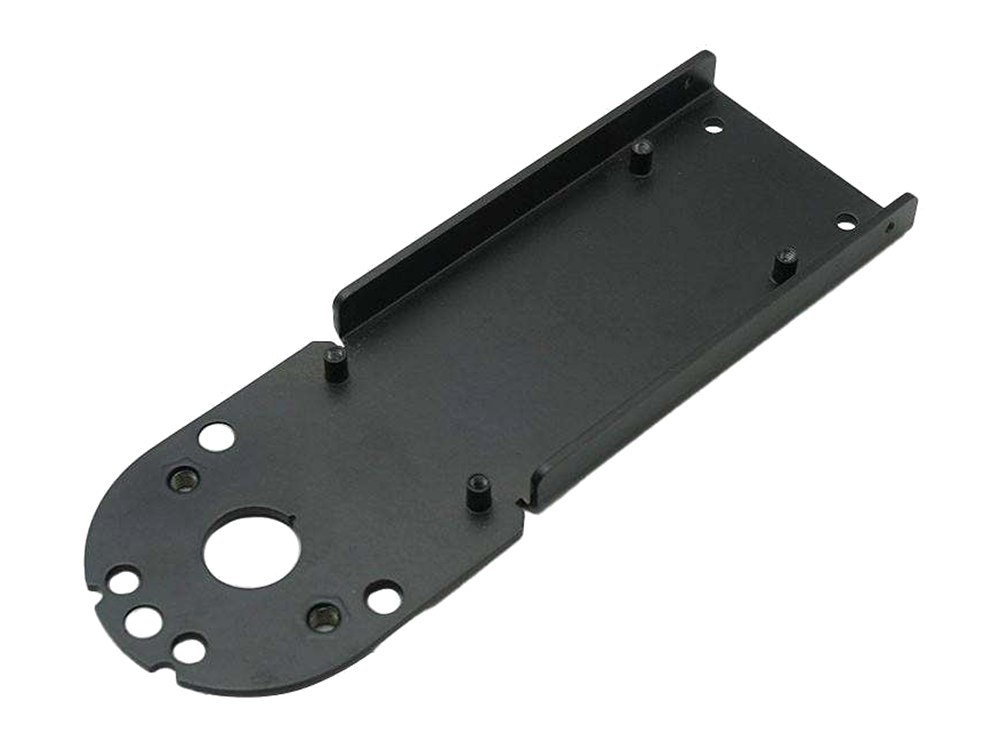
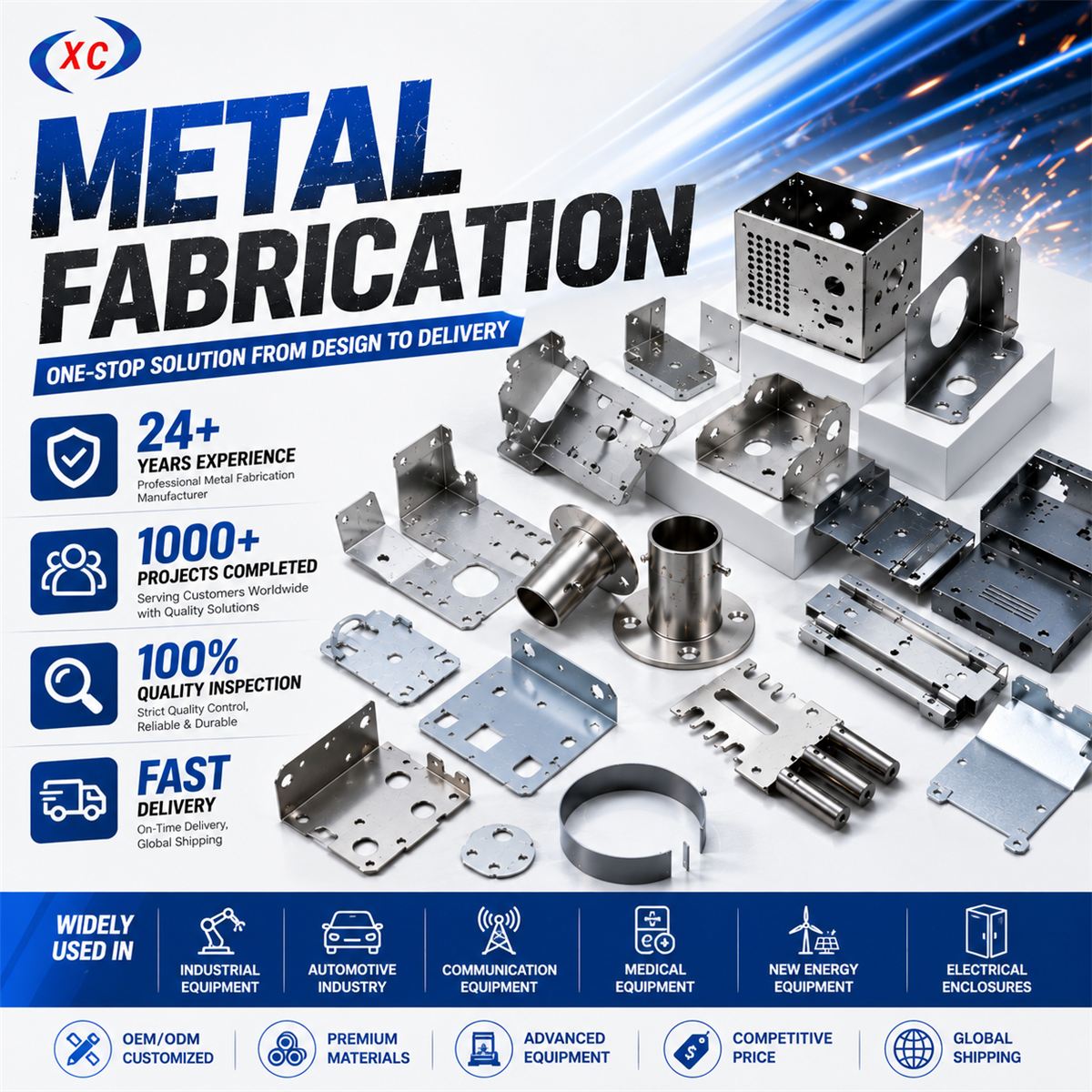
Include material, thickness, quantity, critical dimensions, finish and target date. We will review the manufacturing route before quoting.
Deep drawing in China · in-house tooling · since 1998
Ask a typical sheet metal shop for a seamless drawn shell and the job quietly goes to a subcontractor — adding cost, lead time and a quality gap nobody owns. Our hydraulic drawing lines and our die shop are in the same building as everything else we make.
A drawn shell is rarely finished when it leaves the press — it needs trimming, piercing, threading, welding or a finish before it is a usable part. Every one of those steps runs here, under the same work order.
Deep drawing is decided at the analysis stage. Once the die is cut, the physics of the material has already made most of the decisions for you.
We calculate the draw ratio for your shape and material, develop the blank diameter and determine how many redraw stages the geometry actually needs. This comes back with the quotation at no charge.
Grade, temper and thickness are chosen against the required depth. Where the shape is marginal we say so before tooling, not after the first crack.
Draw dies, redraw dies and trim tooling are designed and cut in our own workshop, so try-out corrections happen on our bench.
Wall thickness, height, diameter and roundness are measured against the drawing and submitted for your approval.
Trimming, piercing, threading, welding and finishing are completed here, so you receive a finished part rather than a raw shell.
Buyers usually ask "can you draw this?" when the real question is "how many stages will it take, and what will that cost". These are the factors that decide the answer, and we work through them before quoting.
There is a practical limit to how much a blank can be reduced in a single draw before the wall thins or splits. Deeper parts are reached by redrawing in successive stages, each taking a further reduction. So a deep part is rarely impossible — it is a question of how many stages, and each stage adds tooling. When we quote we tell you the stage count, because that is what the cost is actually made of.
A generous radius at the punch nose and die shoulder lets material flow into the wall. A sharp corner concentrates strain and is where splits start. If your drawing calls for a tight radius at the base, that single feature can add a stage or an ironing operation. We will show you what relaxing it saves before you decide it is essential.
Two coils of identical thickness can behave completely differently. Deep drawing quality grades are formulated to stretch; a general structural grade will split at a depth the drawing grade handles comfortably. Tell us the grade rather than only the thickness, and if your specification names a grade that will fight the geometry we will say so.
Material has to come from somewhere: as the blank draws in, the wall thins, usually most severely just above the base radius. If your print specifies a minimum wall through the whole part, that governs the starting thickness and sometimes the stage plan. It is far cheaper to agree the acceptable thinning zone now than to argue about it at inspection.
A drawn shell has no weld line, so no leak path and no post-weld cleanup — genuinely valuable for pressure, fluid, food and cosmetic parts. For a simple open box with no sealing requirement, a folded and welded fabrication is often cheaper. We will tell you when drawing is the wrong answer for your part, even though it is the process we would rather sell.
The draw-ratio analysis is free and comes with the quotation, whether or not you order. It is also the point at which most cost is still removable — once the die exists, the geometry is fixed.
Deep drawing forms a seamless shell from a flat blank in one continuous operation, so the part has no weld line, no leak path and no post-weld distortion — the reason drawn parts dominate pressure, fluid, food-contact and cosmetic applications. The process works because the blank is deliberately oversized and the material flows inward over the die radius under controlled blank-holder pressure; get the flow wrong and the result is either wrinkling at the flange or tearing at the wall. That balance is decided before tooling starts, which is why a draw-ratio and material-flow review is the first step of every deep drawing quotation.
The draw ratio — blank diameter divided by punch diameter — is the fundamental limit of a single operation. Push past the material's limit for the grade and thickness, and the shell tears; the answer is a redraw, where the part is drawn again to a smaller diameter in a second stage. Multi-stage deep drawing is exactly where in-house engineering pays: each redraw must be planned for wall thinning, work hardening and surface finish, and the annealing decision between stages is a cost and quality trade-off that a supplier without a die shop tends to get wrong. We tell you at quotation stage how many stages your part needs and what each one adds to the piece price.
Formability — not just strength — decides what can be drawn. 1060 and 3003 aluminium flow beautifully and lighten the final part; 304 stainless draws well but work-hardens and needs the tooling and blank-holder tuned to it; brass H62 and copper T2 are traditional drawn materials for conductive and decorative parts. Wall thickness in a drawn shell is never perfectly uniform — it thins toward the sidewall — so dimensional tolerances must be read against the drawing and first article rather than assumed. If your part needs a tight internal diameter, we will confirm what is realistically held before the die is committed.
Send the part geometry and material and we will return the draw ratio, blank diameter and the number of stages your shape actually needs — free, before you commit to tooling.
| Process | Multi-stage hydraulic deep drawing | Redraw stages planned per geometry |
| Materials | Stainless, aluminium, brass, copper, cold rolled steel | Grade affects achievable depth |
| Dimensional tolerance | ±0.10 mm | Confirmed at first article |
| Wall condition | Seamless, no weld line | No leak path from a joint |
| Die design & build | In-house workshop | Try-out and correction on site |
| Secondary operations | Trim, pierce, tap, weld, finish | Same production route |
| Engineering review | Draw ratio, blank size, stage count | Returned with the quotation |
| Quality system | ISO 9001:2015 | Registration 34025Q30296R0S |
Metal deep drawing is selected when a seamless shell, cup or housing provides better sealing, cleanability or structural performance than a welded fabrication. XCWY reviews blank diameter, draw ratio, radii, material anisotropy and staged forming before the tool route is quoted.
| Production route | In-house hydraulic multi-stage drawing with in-house die design and try-out |
|---|---|
| Materials | Stainless steel, aluminium, carbon steel, copper and brass subject to grade and temper review |
| First article | Wall thinning, flange/wrinkle condition, height, diameter and critical radii checked to drawing |
| Typical risks | Wrinkling, tearing, earing and excessive thinning |
| Quality | Material traceability and agreed dimensional records under ISO 9001:2015 |
There is no single number, because depth depends on diameter, material grade, corner radii and how many redraw stages the design can carry. A shallow reduction is achievable in one draw; deeper parts are reached through successive redraws, each adding tooling cost. Send the geometry and grade and we will return the draw ratio and the stage count your specific shape needs, free, with the quotation.
Stamping cuts and forms material largely in the plane of the sheet — blanking, piercing, bending. Deep drawing stretches a flat blank into a three-dimensional hollow shape, so the wall is formed from material drawn in from the flange. The practical difference for a buyer is the seam: a drawn shell has no weld line, while a fabricated box does. If your part needs to hold pressure or fluid, that distinction usually decides the process.
It is not always. Drawing wins when the seam is a liability — pressure containment, fluid tightness, hygiene, or a cosmetic surface where a weld line would show. It also removes the welding and dressing labour from every piece. For a simple open enclosure with no sealing requirement, fabrication is usually cheaper. We will tell you which applies to your part.
No, and any supplier who says otherwise is not being straight with you. Material draws in from the flange and the wall thins, typically most just above the base radius. Thinning is predictable and planned for in the stage design, but if your drawing specifies a minimum wall throughout the part, that governs the starting material thickness. Tell us the minimum you need and where.
±0.10 mm is achievable and confirmed at first article. Height and diameter usually hold tighter than wall thickness, since thinning varies with draw depth. If a specific dimension is critical to your assembly, mark it on the drawing and we will confirm what is realistic on that feature before you order.
Yes. Draw dies, redraw dies and trim tooling are designed and built in our own workshop. That matters most when a die needs correcting after try-out — it happens on our bench in days rather than through a subcontractor queue.
MOQ starts at 1 piece. Because deep drawing requires tooling, the practical first step is a first article from the die rather than a one-off sample, so you can approve wall condition and dimensions before volume runs.
ISO 9001:2015, registration 34025Q30296R0S, which you are welcome to verify independently. Drawn parts often go into pressure, fluid and hygiene applications, so if your project is governed by an additional standard, name it in your enquiry and we will confirm in writing what we can meet — before tooling is committed rather than after.
XCWY produces deep drawn metal stampings using multi-stage in-house deep drawing for seamless housings, shells and enclosures. Tooling is built and maintained in-house, and production is controlled with first-article approval and in-process inspection under an ISO 9001:2015 quality system, so wall thickness and concentricity can be tracked against the drawing.
| Item | Detail |
|---|---|
| Process | In-house multi-stage deep drawing |
| Typical parts | Seamless housings, shells, cups and enclosures |
| Tooling | In-house tool design, build, try-out and maintenance |
| Materials | Stainless steel, carbon steel, aluminium, copper and brass |
| Related processes | Stamping, laser cutting, CNC machining, finishing, assembly |
| Inspection | First-article and in-process checks with retained records |
Deep drawing progressively forms flat sheet into a seamless hollow shape using a punch and die, repeated over several stages for deeper parts.
Stainless steel, carbon steel, aluminium, copper and brass are used, selected for ductility and the required wall thickness reduction.
Tool design, build, try-out and maintenance are handled in-house, which keeps die revisions and maintenance under direct control.
Stage planning, blank size and die clearances govern thickness reduction, and formed walls are inspected against the drawing requirements.
Deep drawing becomes economical where volumes justify tooling; low volumes are reviewed case by case during the engineering review.