 LOADING
LOADING
LOADING
Prefer to send a drawing? Use the full RFQ form, email xcwystamping@xcwybj.com or message WhatsApp.
Cleanability is the specification
Custom food grade stainless steel fabrication: work surfaces, hoods, housings, trays and shelving in 304 and 316 — with sanitary welds ground flush, radiused internal corners and finishes that survive daily washdown chemicals.
Sharp internal corners trap residue. Lap joints hide bacteria. Unground welds create crevices. Hygienic fabrication means radiused corners, continuous ground welds and drainable geometry — all decided at drawing review.
304 handles most food contact. Move to 316 where chlorides are present — brine, salt, seawater processing, and many sanitising chemicals — because 304 pits under chloride attack and pitting is exactly where contamination hides.
"Brushed" and "polished" mean nothing without a grit or Ra value. We work to a specified finish or an approved master sample so the batch matches what you signed off.
| Primary materials | SS304, SS304L, SS316, SS316L |
| Thickness range | 0.5 – 3.0 mm typical for food equipment surfaces |
| Welding | TIG and laser welding, seams ground flush and blended |
| Finishes | Brushed to specified grit, polished toward mirror, passivated |
| Forming | Deep drawing for seamless bowls and trays; CNC bending to ±0.5° |
| Hygienic features | Radiused internal corners, continuous welds, drainable geometry |
| Quality basis | ISO 9001:2015 · registration 34025Q30296R0S |
304 covers most food contact applications economically. Choose 316 where chlorides are present — brine, salting, seawater processing, or aggressive chloride-based sanitisers — because 304 pits under chloride attack. The molybdenum in 316 is what resists it.
Yes, where specified. Continuous TIG or laser welds are ground flush and blended into the surrounding surface, then brushed or polished to the specified finish. State the required finish level on the drawing.
A brushed finish to a specified grit is standard for work surfaces and panels, since it hides minor scratching while remaining cleanable. Polished finishes look better but show wear faster. Specify grit or Ra, or send an approved sample.
Yes. Deep drawing produces one-piece vessels with no weld seam, which removes the crevice risk entirely. 304 and 316 both draw well, and depth is limited by the material draw ratio rather than by welding capability.
Yes, available on request and recommended after welding and grinding. Passivation removes free iron from the surface, which is the usual cause of rust spotting on otherwise sound stainless.
We manufacture from certified 304 and 316 stainless with EN 10204 3.1 mill certificates available, and we build to your hygienic design requirements. Food-contact compliance certification for a finished equipment assembly is issued against the complete product and remains with the equipment manufacturer.
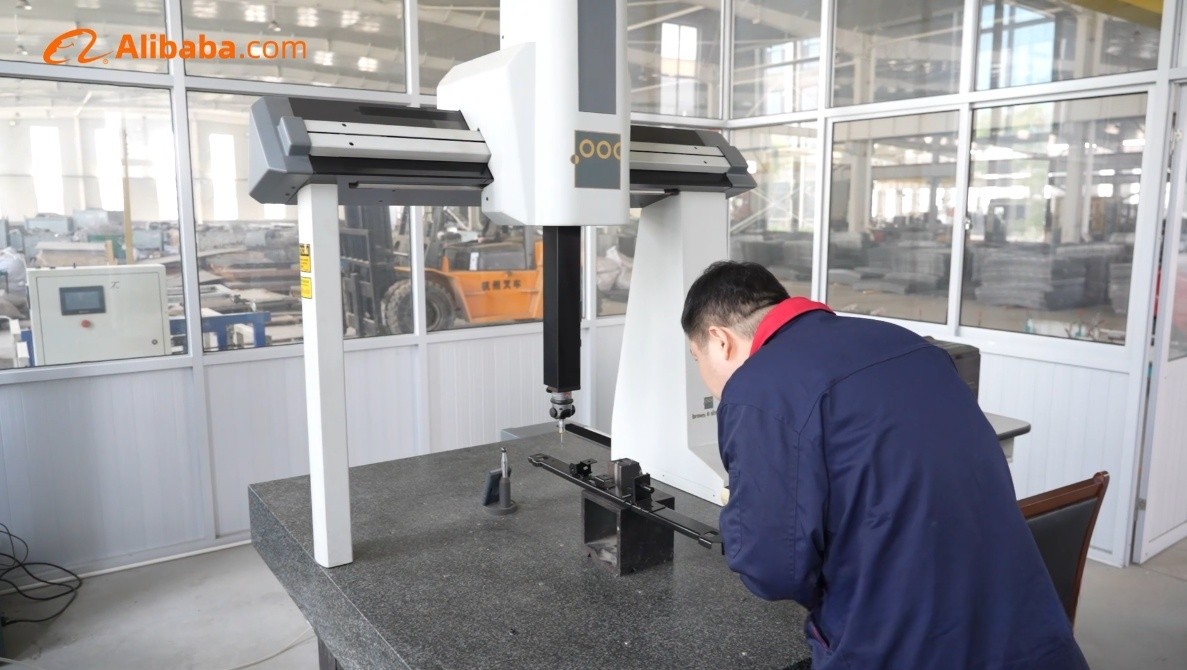
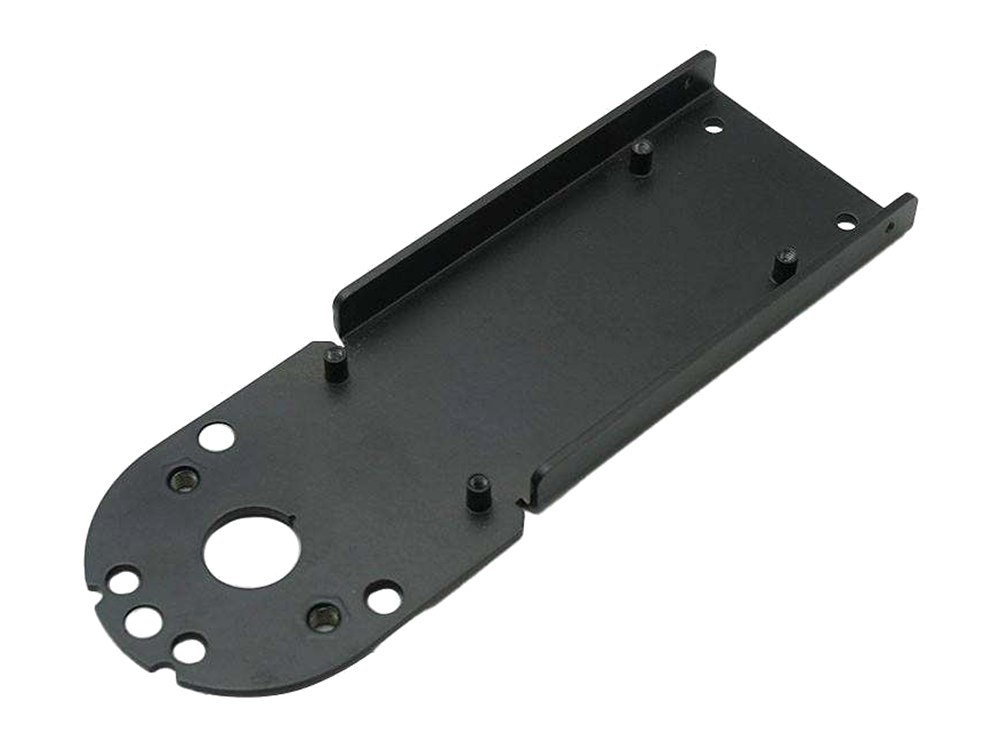
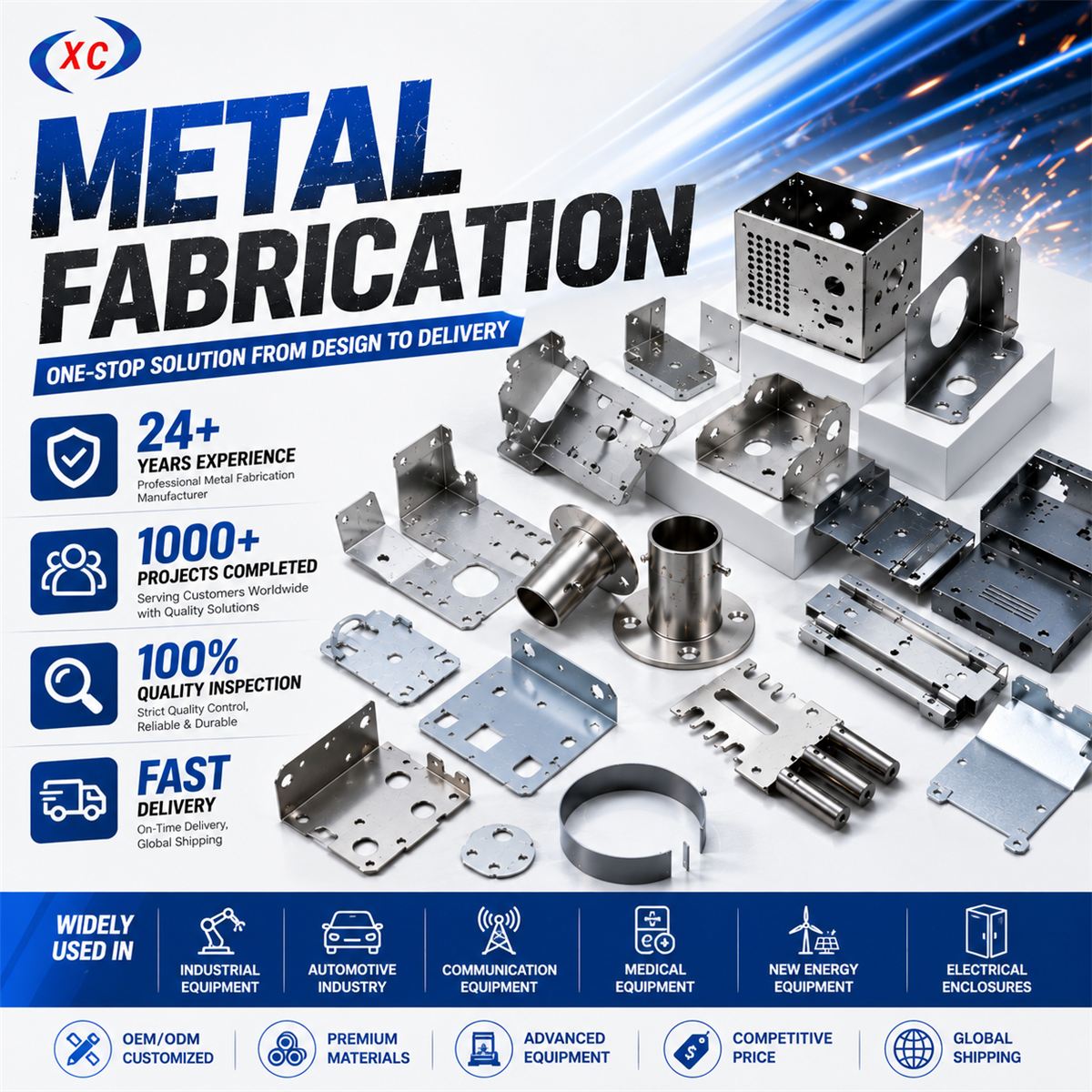
All images below are existing XCWY assets from the factory, production equipment, quality areas or representative custom parts.
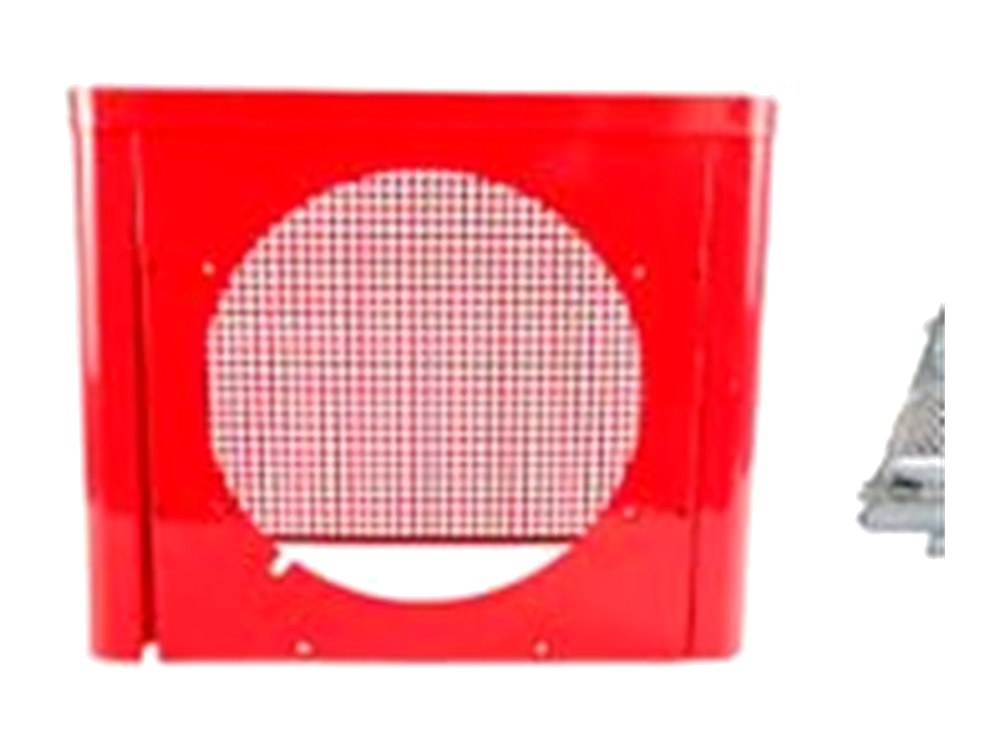
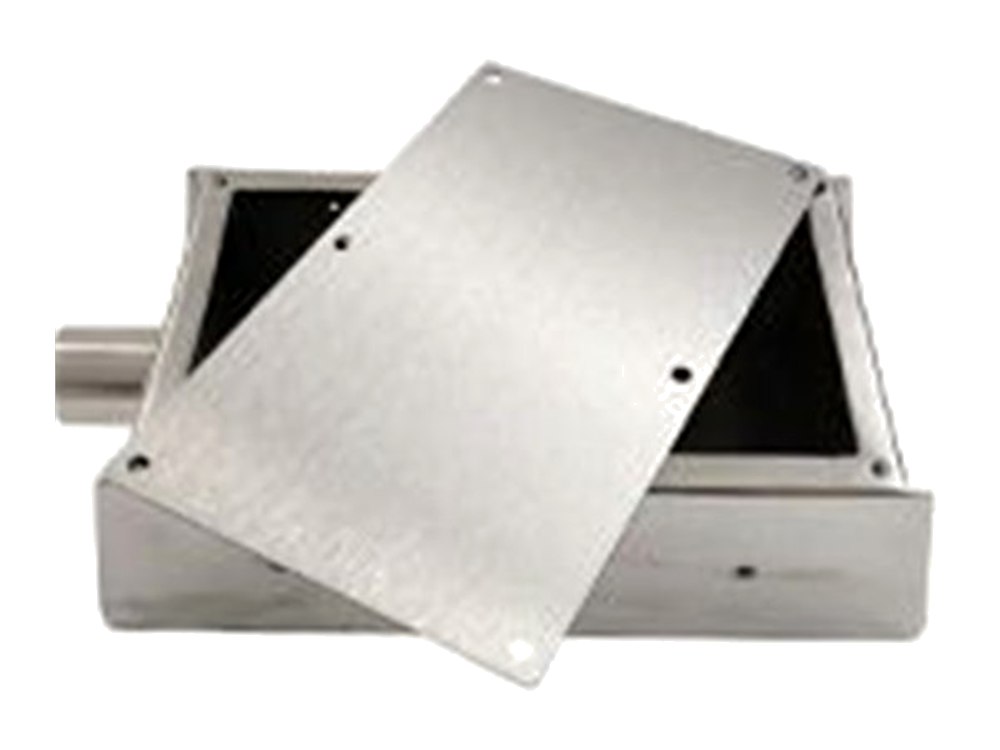

Include material, thickness, quantity, critical dimensions, finish and target date. We will review the manufacturing route before quoting.