 LOADING
LOADING
LOADING
Prefer to send a drawing? Use the full RFQ form, email xcwystamping@xcwybj.com or message WhatsApp.
All images below are existing XCWY assets from the factory, production equipment, quality areas or representative custom parts.
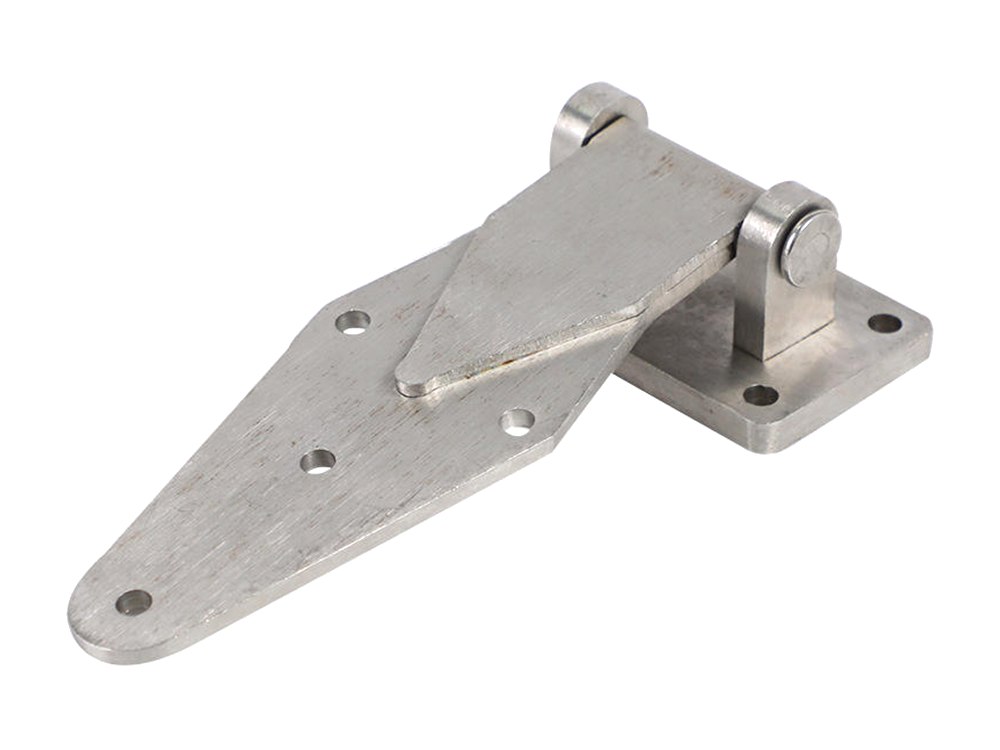
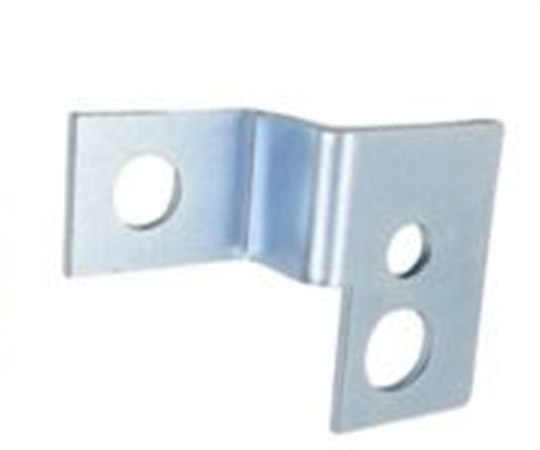
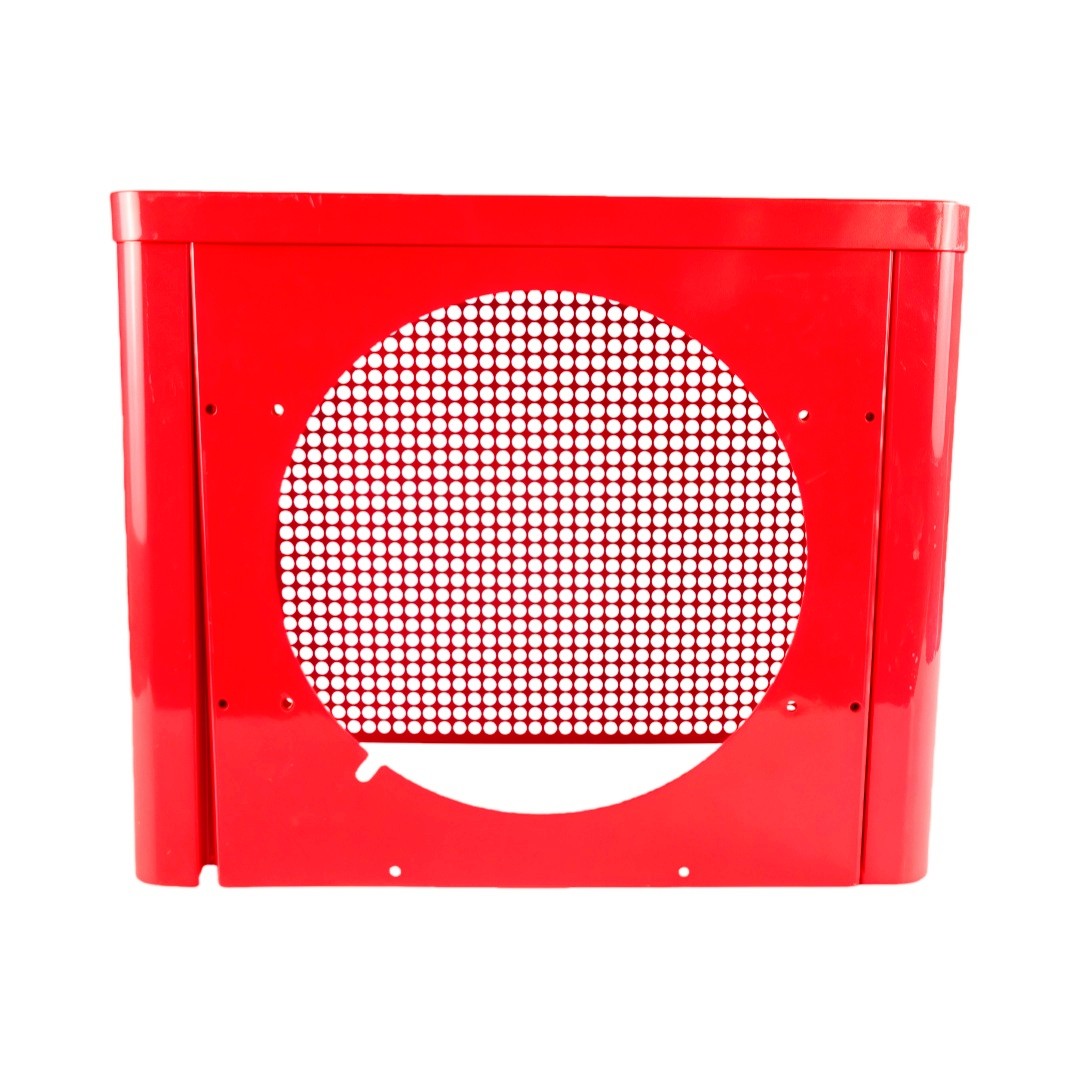
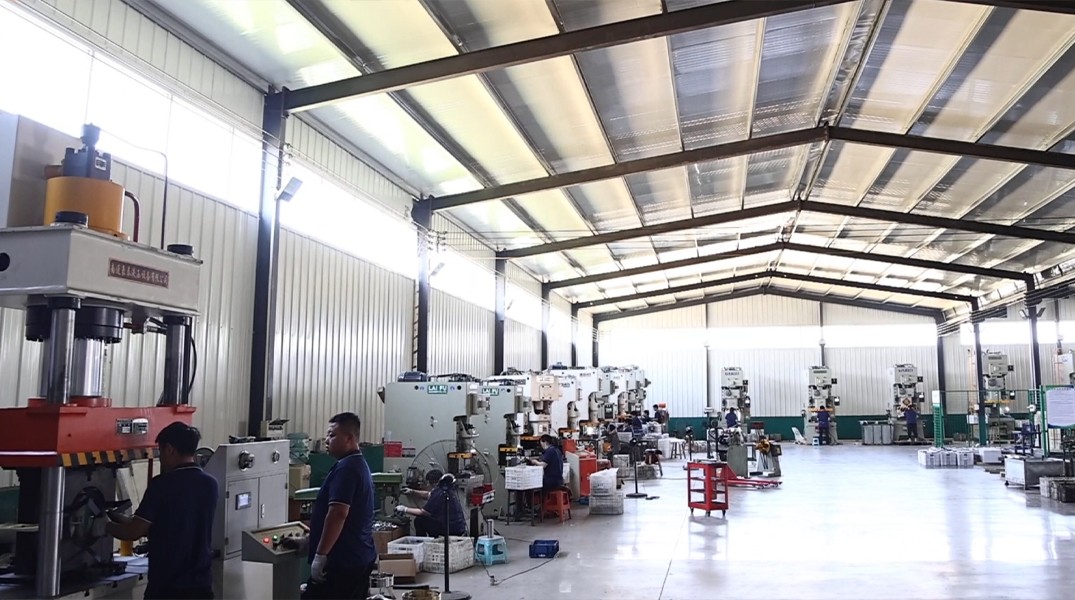
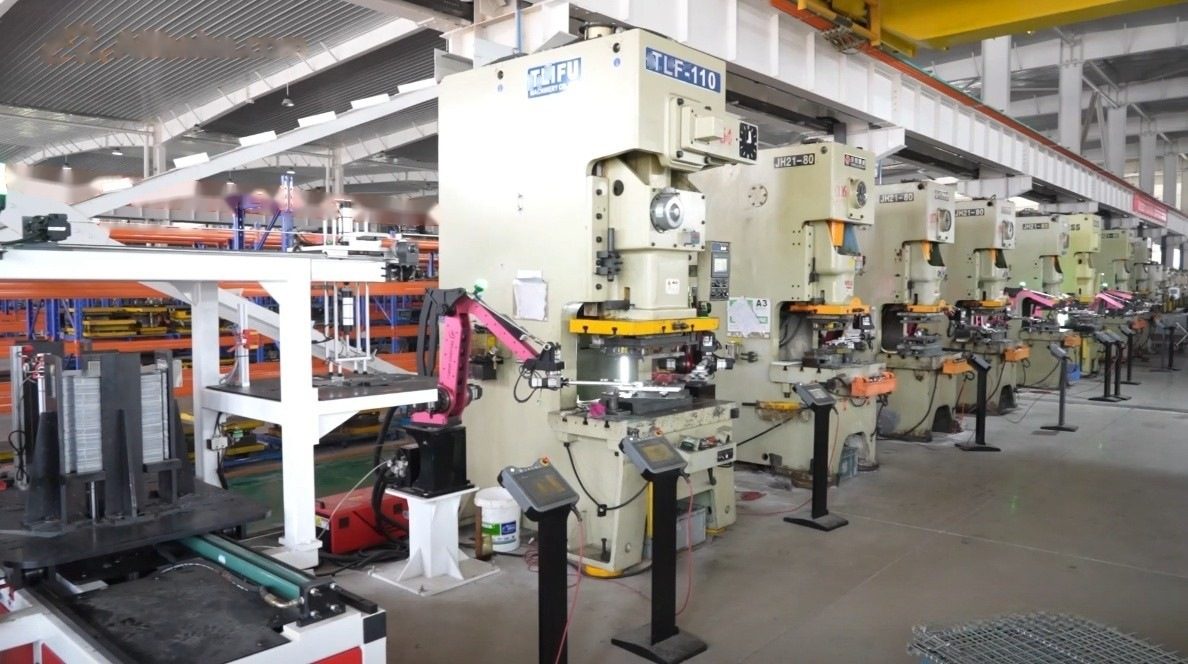
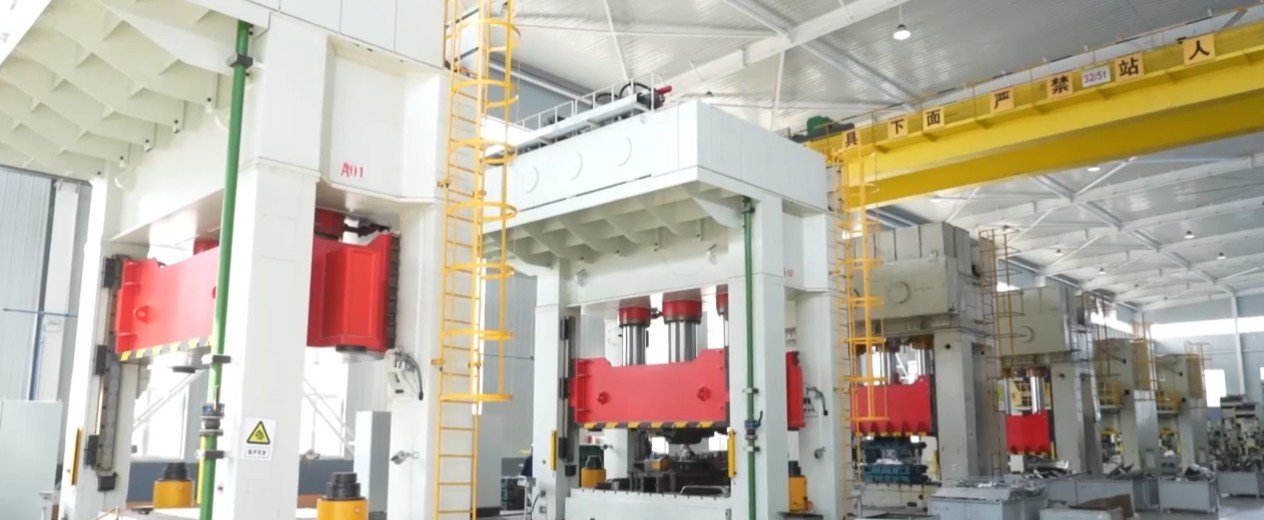
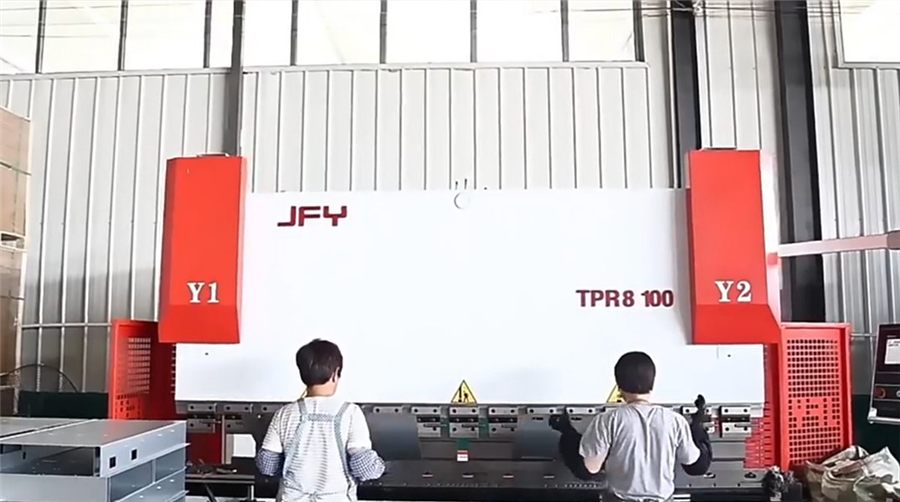
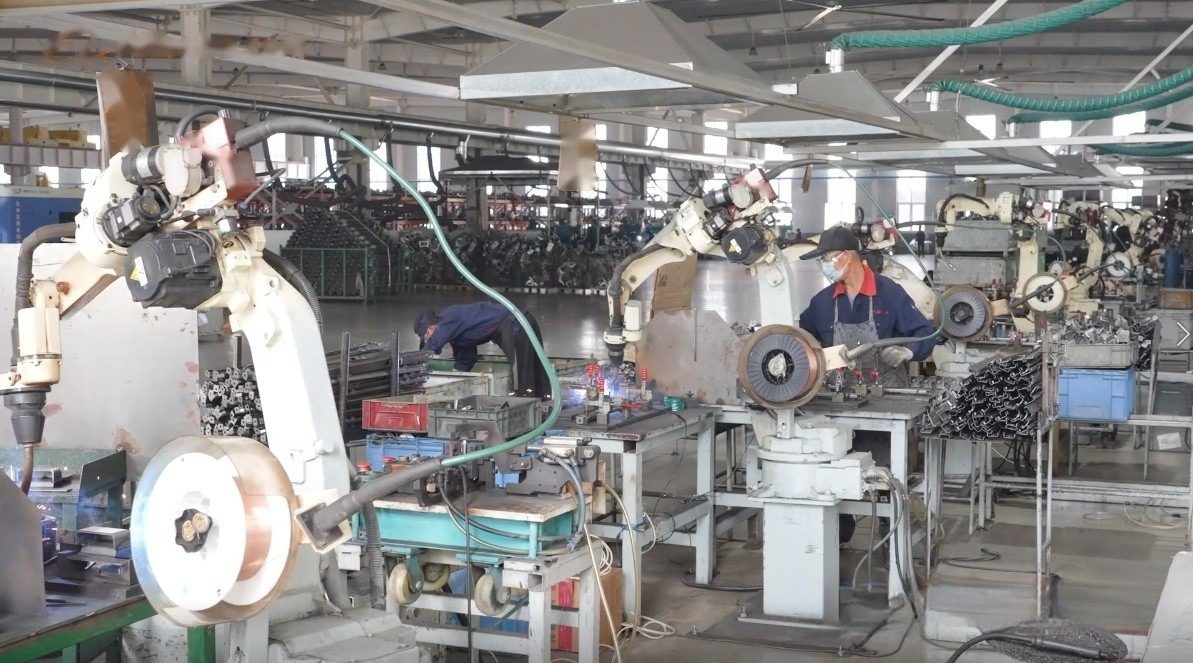
Include material, thickness, quantity, critical dimensions, finish and target date. We will review the manufacturing route before quoting.
Welding and assembly in China · one work order · since 1998
Welding is where a multi-vendor supply chain usually breaks: the stamped part came from one shop, the bent panel from another, and neither will accept the gap. Every component in the assemblies we weld is made in this building, so there is no gap to argue about.
An assembly is only as good as the parts arriving at the bench. Because we cut, stamp, draw, bend and machine those parts ourselves, a fit problem is found and fixed upstream instead of becoming a rework argument.
The fixture is the product. Get that right and every assembly afterwards is the same; get it wrong and each one is a negotiation.
Joint access, heat input, distortion risk and datum strategy are reviewed together with the drawing — before any component is made.
A fixture is designed to hold the datum and resist distortion, then built in our own workshop.
Every part in the assembly is produced here, so tolerances are controlled against the fixture rather than hoped for.
The first assembly is measured against the drawing, and inspection points are recorded so later batches are checked the same way.
Batch welding runs against the approved fixture, then hardware, finishing and packing complete the part.
Almost every distortion problem is decided before the arc is struck. These are the five factors we work through when an assembly drawing arrives.
Welding puts heat into one side of a joint and the metal contracts as it cools, pulling the assembly out of square. The fix is sequence and heat management — alternating sides, using shorter runs, letting the part cool — not simply working more carefully. On thin gauges laser welding puts in far less heat than MIG, which is often the real reason to specify it.
When a drawing dimensions everything from everything, distortion has nowhere to go and every measurement fails. Nominating a datum face and saying which dimensions are functional lets us design the fixture to hold those, and allows the unavoidable movement to happen where it does not matter.
A weld cannot pull two badly-fitting parts into position without distortion. If the components were made by different suppliers to independently reasonable tolerances, the stack-up arrives at the bench as a gap. This is the single strongest argument for making the components and the assembly in one place — we control both ends of the tolerance chain.
MIG is fast and economical on structural steel. TIG is slower but cleaner and better on stainless and thin material where appearance matters. Laser welding puts in the least heat and leaves the smallest bead, which suits precision and cosmetic work. We pick by the joint and tell you why, rather than defaulting to whatever is cheapest to run.
PEM studs and standoffs inserted before welding can be distorted or discoloured by the heat; inserted after, they may be unreachable inside a closed assembly. Which comes first is a design decision, and it is far cheaper to settle it at review than to discover it on the first article.
This review is included with the quotation. We would rather redesign a fixture on paper than explain a twisted assembly after it has shipped.
A welded assembly fails or passes on the plan, not on the weld itself. Heat input shrinks the material as it cools, and shrinkage accumulates — a frame built from individually straight parts can end twisted by several millimetres unless the weld sequence, heat input and fixture are designed together. That is why our engineering review treats the assembly as a chain: we identify which single dimension is functional to the end user, plan the weld sequence and fixture so the chain closes, and confirm the result against drawing and fixture — typically within ±0.5 mm on the assembly.
The process is chosen for the joint, not for convenience. MIG is fast and economical on structural steel where appearance is secondary. TIG is slower but cleaner, and it is the usual answer for stainless and thin material where the weld face is visible. Laser welding puts in the least heat of the three, leaves the smallest bead and causes the least distortion, which makes it the right choice for precision and cosmetic work — and it is the capability we reference most in fabricated enclosures and instrument housings. Where a choice is genuinely open, the quotation says why one process was selected.
PEM studs, standoffs and threaded inserts have a correct place in the sequence: inserting before welding risks heat distortion or discolouration, inserting after risks a fastener that is unreachable inside a closed assembly. Hardware type, insertion point and whether the part is assembled to a finished sub-assembly or delivered as components all belong on the drawing or BOM. We review these at quotation stage — which is also the point at which a fixture for repeat production is designed, so batch ten of an assembly matches batch one.
Send the assembly drawing along with the part drawings and the bill of materials. Datum strategy and which dimension is functionally critical matter more here than on any single component.
| Welding processes | Laser, TIG, MIG | Selected by material, thickness and cosmetic requirement |
| Assembly tolerance | Typically ±0.5 mm | Confirmed against drawing and fixture |
| Hardware insertion | PEM studs, nuts and standoffs | Inserted before or after welding as the design requires |
| Inspection | Dye penetrant available | Specified on the drawing where required |
| Fixtures | Designed and built in-house | Documented at first article |
| Component supply | Stamped, drawn, cut, bent, machined | All produced here |
| Finishing | Applied after assembly | Powder, plating, passivation |
| Quality system | ISO 9001:2015 | Registration 34025Q30296R0S |
It depends on the joint, not on our convenience. MIG is fast and economical on structural steel. TIG is slower, cleaner and better suited to stainless and thin material where the bead will be visible. Laser welding puts in the least heat and leaves the smallest bead, which is usually the right answer for precision or cosmetic assemblies. We state which we intend to use with the quotation and explain why.
ISO 9001:2015, registration number 34025Q30296R0S, which you are welcome to verify independently. Weld sequences, fixtures and inspection points are documented at first article and recorded for each production run, and dye penetrant inspection is carried out where the drawing specifies it. If your project is governed by a particular welding standard or procedure specification, send it with your enquiry and we will confirm in writing what we can and cannot meet before you place an order.
Through fixture design and weld sequence rather than by working slowly. The fixture holds the nominated datum, and the sequence spreads heat so contraction is balanced instead of pulling in one direction. Where a design is inherently distortion-prone we say so at review and suggest either a datum change or a different joining method.
Typically ±0.5 mm, confirmed against the drawing and the fixture. That figure depends heavily on assembly size and how many joints are in the chain. Nominate which dimensions are functional and we will confirm what is realistic on those rather than applying one number to the whole part.
Yes. The important question is whether they go in before or after welding — heat can distort or discolour hardware installed first, while a closed assembly may make later insertion impossible. We raise this at review so it is a design decision rather than an accident.
That is the normal route here. Stamped, drawn, laser-cut, bent and machined components are all produced in this building, then welded, fitted with hardware, finished and packed under one work order.
MOQ starts at 1 piece. Because assemblies usually need a fixture, the practical first step is a first article rather than a one-off sample, so you can approve dimensions before batch production.
Send photographs and the measurements taken. If the fault is ours we rework or remake at our cost, and we check the fixture rather than treating it as a one-off — a fixture that has shifted will produce the same error on every subsequent batch.