Metal Enclosure Design Guide: DFM, Sealing, and Assembly
Metal Enclosure Design Guide: DFM, Sealing, and Assembly is a practical engineering reference for teams that need manufacturable metal parts without hiding risk behind generic rules. It connects panel stiffness, forming, corner construction, access, thermal management, hardware, finishing, and validation of the complete enclosure. The guide explains how to translate function into process choices, tolerances, inspection points, and supplier questions. It also shows where prototype evidence should replace assumptions. XCWY has supported metal-part production since 1998 and can combine stamping, deep drawing, laser cutting, bending, five-axis machining, welding, PEM insertion, finishing coordination, and CMM inspection. Available equipment includes 25–400-ton presses, a 12 kW laser, a 3,200 mm press brake, and a DMU38 five-axis center. The operating quality system is ISO 9001:2015, certificate 34025Q30296R0S. Use this metal enclosure design guide resource to prepare a clearer RFQ, compare feasible routes, and agree acceptance criteria before material or tooling is committed.
Request a Drawing Review
Attach the drawing, revision, material, quantity, critical tolerances, finish and target date. The inquiry is saved in the site database and emailed to the XCWY team.
Define Environment and Architecture
Within metal enclosure design guide: dfm, sealing, and assembly, treat define environment and architecture as a controlled engineering choice rather than a drawing afterthought. Begin with indoor or outdoor exposure, impact, vibration, dust, water, chemicals, temperature, electromagnetic needs, and service life. These requirements determine material, coating, seams, gasket strategy, drainage, and ventilation. A fabricated enclosure should not be described as having an ingress or safety rating unless the complete tested product qualifies. XCWY does not claim UL certification, so certification responsibility must be planned separately. When documenting define environment and architecture, separate mandatory functional requirements from preferences, then identify the datums, interfaces, cosmetic zones, load paths, and acceptance evidence relevant to this decision. The drawing, CAD model, material callout, finish note, and revision should give one consistent definition of the define environment and architecture requirement. Apply tight limits only where define environment and architecture affects fit, motion, safety, sealing, or interchangeability; a blanket tolerance can add setup and inspection cost without improving performance. If uncertainty remains around define environment and architecture, approve a representative first article before committing production material or tooling.
Select Material and Gauge
For metal enclosure design guide: dfm, sealing, and assembly, resolve select material and gauge before production data is released. Carbon steel offers stiffness and economical coating; stainless steel supports corrosion resistance and hygienic cleaning; aluminum reduces mass and conducts heat. Gauge should follow panel span, load, dent resistance, fastening, and forming limits rather than habit. Add returns, beads, ribs, or hat sections before increasing thickness everywhere. Consider galvanic contact, outdoor finish durability, and whether the chosen temper can accept tight bends. When documenting select material and gauge, separate mandatory functional requirements from preferences, then identify the datums, interfaces, cosmetic zones, load paths, and acceptance evidence relevant to this decision. The drawing, CAD model, material callout, finish note, and revision should give one consistent definition of the select material and gauge requirement. Apply tight limits only where select material and gauge affects fit, motion, safety, sealing, or interchangeability; a blanket tolerance can add setup and inspection cost without improving performance. If uncertainty remains around select material and gauge, approve a representative first article before committing production material or tooling.
Design Bends, Corners, and Seams
In metal enclosure design guide: dfm, sealing, and assembly, a review of design bends, corners, and seams must connect geometry, material behavior, tooling access, and inspection. Use consistent bend radii and provide bend or corner relief to prevent tearing and overlap. Decide whether corners will be welded, tabbed, riveted, or left as controlled gaps. Welded seams improve rigidity and can support sealing, but heat may distort broad panels. Interlocking geometry can simplify fixtures. Model tool access for deep boxes and return flanges, not merely the final solid envelope. When documenting design bends, corners, and seams, separate mandatory functional requirements from preferences, then identify the datums, interfaces, cosmetic zones, load paths, and acceptance evidence relevant to this decision. The drawing, CAD model, material callout, finish note, and revision should give one consistent definition of the design bends, corners, and seams requirement. Apply tight limits only where design bends, corners, and seams affects fit, motion, safety, sealing, or interchangeability; a blanket tolerance can add setup and inspection cost without improving performance. If uncertainty remains around design bends, corners, and seams, approve a representative first article before committing production material or tooling.
Plan Doors, Covers, and Hardware
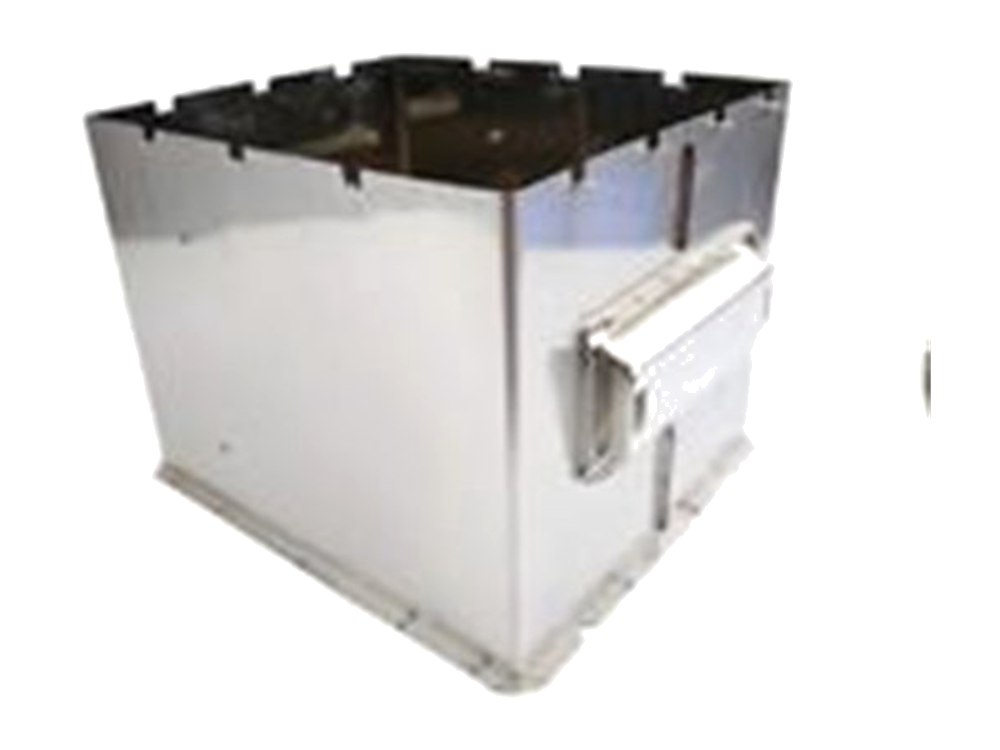
Within metal enclosure design guide: dfm, sealing, and assembly, treat plan doors, covers, and hardware as a controlled engineering choice rather than a drawing afterthought. Locate hinges, latches, handles, rails, studs, and PEM fasteners from stable datums. Allow tool access for installation and replacement. Door gaps must accommodate formed-part variation, coating thickness, gasket compression, and sag. Put captive hardware where field loss is unacceptable. Reinforce concentrated loads without creating water traps, and keep threaded features far enough from bends to avoid deformation during forming. When documenting plan doors, covers, and hardware, separate mandatory functional requirements from preferences, then identify the datums, interfaces, cosmetic zones, load paths, and acceptance evidence relevant to this decision. The drawing, CAD model, material callout, finish note, and revision should give one consistent definition of the plan doors, covers, and hardware requirement. Apply tight limits only where plan doors, covers, and hardware affects fit, motion, safety, sealing, or interchangeability; a blanket tolerance can add setup and inspection cost without improving performance. If uncertainty remains around plan doors, covers, and hardware, approve a representative first article before committing production material or tooling.
Manage Thermal and Electrical Needs
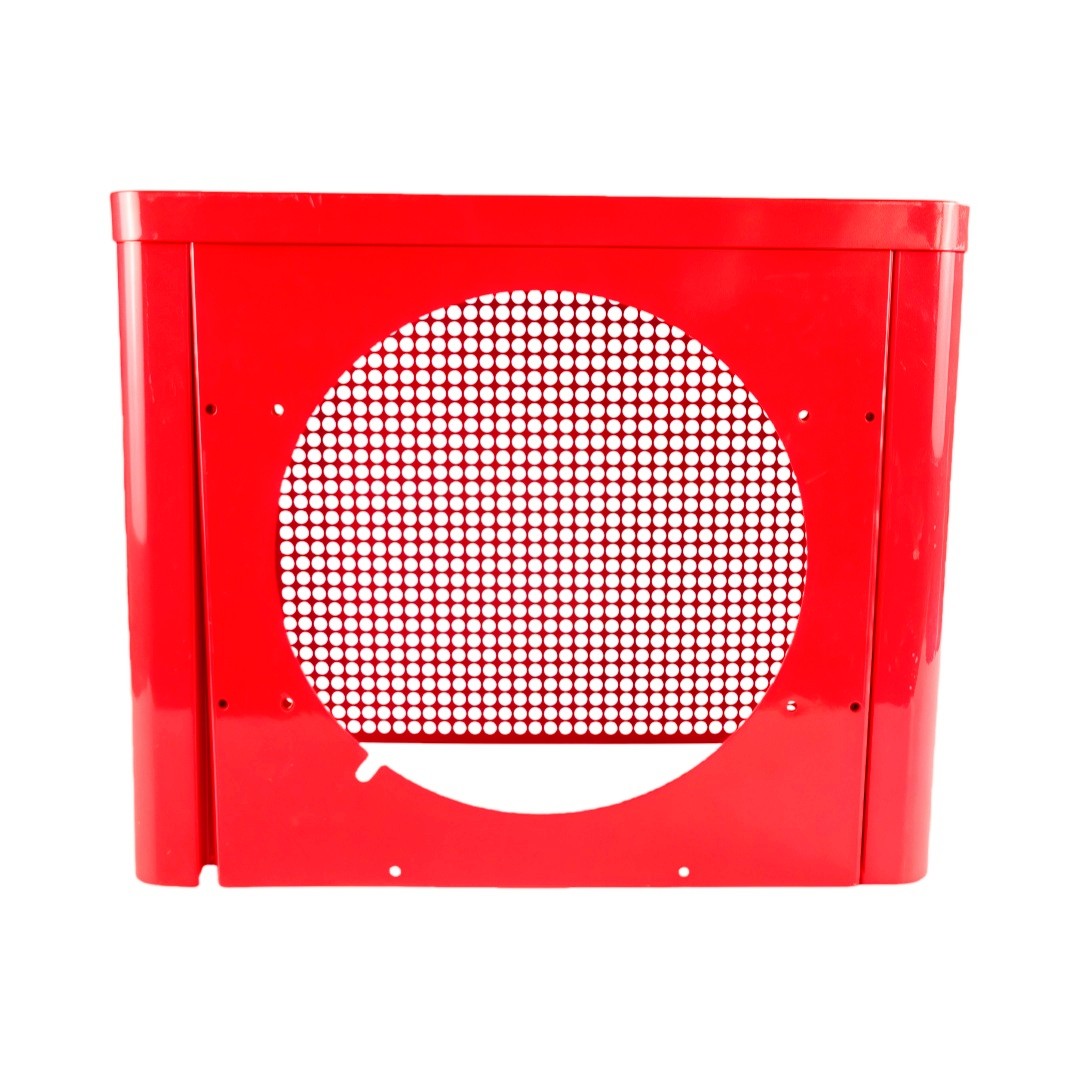
For metal enclosure design guide: dfm, sealing, and assembly, resolve manage thermal and electrical needs before production data is released. Estimate heat generation, allowable component temperature, ambient range, conduction paths, and airflow resistance. Louvers and fans improve cooling but alter dust, water, acoustic, and EMC behavior. Provide bonding points where coating will be masked or penetrated, with corrosion protection appropriate to the joint. Shielding depends on seam continuity, aperture size, conductive contact, and cable entry—not simply on choosing a metal wall. When documenting manage thermal and electrical needs, separate mandatory functional requirements from preferences, then identify the datums, interfaces, cosmetic zones, load paths, and acceptance evidence relevant to this decision. The drawing, CAD model, material callout, finish note, and revision should give one consistent definition of the manage thermal and electrical needs requirement. Apply tight limits only where manage thermal and electrical needs affects fit, motion, safety, sealing, or interchangeability; a blanket tolerance can add setup and inspection cost without improving performance. If uncertainty remains around manage thermal and electrical needs, approve a representative first article before committing production material or tooling.
Specify Finish and Verification
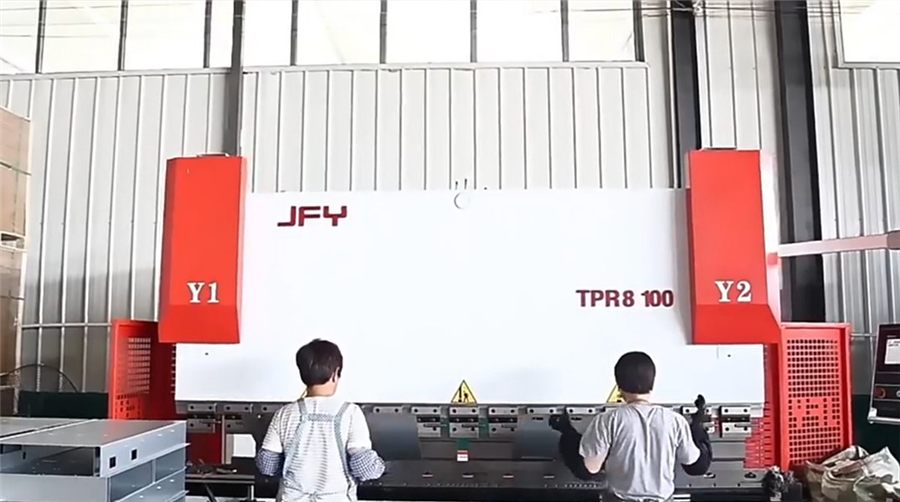
In metal enclosure design guide: dfm, sealing, and assembly, a review of specify finish and verification must connect geometry, material behavior, tooling access, and inspection. Define preparation, coating type, color reference, texture or gloss, minimum appearance zones, masking, and corrosion test if required. Stainless may be brushed, polished, passivated, or otherwise treated according to use; weld discoloration removal should be stated. Verify datum relationships, openings, door function, hardware, gasket compression, ground continuity, and finish. Environmental or regulatory claims require testing of the complete configured enclosure. When documenting specify finish and verification, separate mandatory functional requirements from preferences, then identify the datums, interfaces, cosmetic zones, load paths, and acceptance evidence relevant to this decision. The drawing, CAD model, material callout, finish note, and revision should give one consistent definition of the specify finish and verification requirement. Apply tight limits only where specify finish and verification affects fit, motion, safety, sealing, or interchangeability; a blanket tolerance can add setup and inspection cost without improving performance. If uncertainty remains around specify finish and verification, approve a representative first article before committing production material or tooling.
Engineering Decision Table
| Condition | Recommendation | Why |
|---|---|---|
| Unproven geometry—metal enclosure design guide | Run a representative prototype | Evidence reveals springback, distortion, access, and inspection risks in metal enclosure design guide. |
| Functional characteristic—metal enclosure design guide | Define datum-based measurement | Critical metal enclosure design guide controls need unambiguous acceptance evidence. |
| Cosmetic-only feature—metal enclosure design guide | Set an appearance-zone limit | A bounded metal enclosure design guide standard avoids unnecessary precision cost. |
| Low volume or changing design—metal enclosure design guide | Defer dedicated tooling | A flexible metal enclosure design guide route preserves revision freedom. |
| Stable repeat demand—metal enclosure design guide | Evaluate dedicated tooling or gauges | Upfront metal enclosure design guide engineering can reduce cycle time and variation. |
| Approved input changes—metal enclosure design guide | Perform a documented delta review | Substitution can change metal enclosure design guide dimensions, corrosion, or appearance. |
| Sector certification required—metal enclosure design guide | Confirm compliance before sourcing | XCWY does not claim ISO 13485, IATF 16949, AS9100, or UL. |
RFQ and Drawing Checklist
- Define the functional objective and failure modes—metal enclosure design guide.
- Attach matching 3D and revision-controlled 2D files—metal enclosure design guide.
- State material grade, temper, thickness, and substitution rules—metal enclosure design guide.
- Identify datums and critical-to-function dimensions—metal enclosure design guide.
- Separate cosmetic surfaces from nonappearance zones—metal enclosure design guide.
- Specify edge break, burr direction, and sharp-edge restrictions—metal enclosure design guide.
- Call out finish standard, color, gloss, masking, and test method—metal enclosure design guide.
- Provide prototype, launch, and expected annual quantities—metal enclosure design guide.
- Agree measurement equipment, sampling, and report format—metal enclosure design guide.
- Confirm joining hardware, weld symbols, and assembly sequence—metal enclosure design guide.
- Review packaging protection for surfaces and formed features—metal enclosure design guide.
- Resolve open DFM questions before approving material or tooling—metal enclosure design guide.
Manufacturing Evidence — Metal Enclosure Design
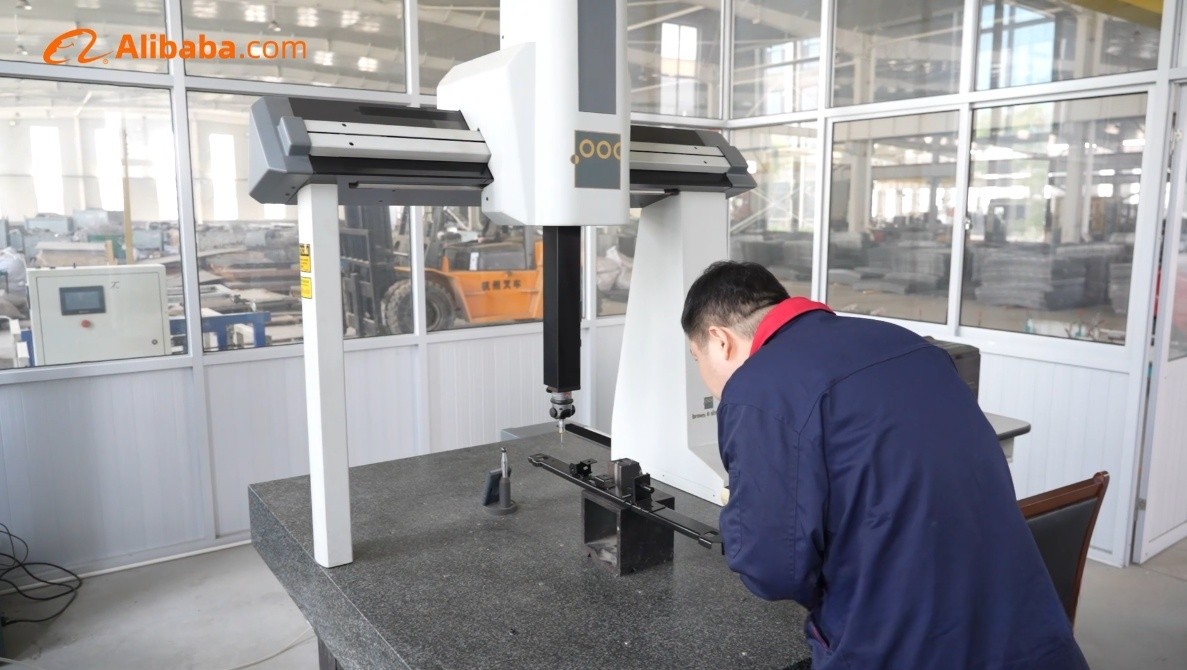
The images below come from the XCWY site asset library and show the plant, equipment, inspection areas and representative parts already published for Metal Enclosure Design.
Frequently Asked Questions
When should an engineer request DFM feedback for metal enclosure design guide?
Request metal enclosure design guide feedback before freezing the drawing and after any material, tolerance, finish, or volume change. An early metal enclosure design guide review leaves room to alter geometry before tooling or purchase orders are released.
What files make a metal enclosure design guide RFQ technically complete?
For metal enclosure design guide, provide matching 3D and controlled 2D data, material grade and temper, quantities, finish, critical dimensions, inspection expectations, and assembly context.
Can XCWY support one metal enclosure design guide prototype?
XCWY offers MOQ 1 when the selected metal enclosure design guide route is practical. A flexible prototype route may be proposed before production tooling is justified for metal enclosure design guide.
How quickly can XCWY quote a metal enclosure design guide project?
XCWY targets a metal enclosure design guide quotation within three business hours after receiving a complete package. Unclear metal enclosure design guide specifications, missing models, or complex tooling require clarification first.
Which quality certification applies to metal enclosure design guide?
Work involving metal enclosure design guide operates under XCWY’s ISO 9001:2015 system, certificate 34025Q30296R0S. For metal enclosure design guide, XCWY does not claim ISO 13485, IATF 16949, AS9100, or UL certification.
What is the most important project-specific check for metal enclosure design guide?
Verify the assembled enclosure under its real environmental and service conditions; material and seam geometry alone do not establish an ingress, EMC, or safety rating.
Related XCWY Capabilities
Get a Manufacturing Review and Quote
Attach the drawing, revision, material, quantity, critical tolerances, finish and target date. The inquiry is saved in the site database and emailed to the XCWY team.