How to Reduce Metal Fabrication Cost Without Adding Risk
How to Reduce Metal Fabrication Cost Without Adding Risk is a practical engineering reference for teams that need manufacturable metal parts without hiding risk behind generic rules. Cost reduction is most durable when it removes material, setups, handling, and unnecessary precision while protecting fit and performance. The guide explains how to translate function into process choices, tolerances, inspection points, and supplier questions. It also shows where prototype evidence should replace assumptions. XCWY has supported metal-part production since 1998 and can combine stamping, deep drawing, laser cutting, bending, five-axis machining, welding, PEM insertion, finishing coordination, and CMM inspection. Available equipment includes 25–400-ton presses, a 12 kW laser, a 3,200 mm press brake, and a DMU38 five-axis center. The operating quality system is ISO 9001:2015, certificate 34025Q30296R0S. Use this how to reduce metal fabrication cost resource to prepare a clearer RFQ, compare feasible routes, and agree acceptance criteria before material or tooling is committed.
Request a Drawing Review
Attach the drawing, revision, material, quantity, critical tolerances, finish and target date. The inquiry is saved in the site database and emailed to the XCWY team.
Remove Nonfunctional Complexity
Within how to reduce metal fabrication cost without adding risk, treat remove nonfunctional complexity as a controlled engineering choice rather than a drawing afterthought. Begin with a function map: load carrying, locating, sealing, appearance, thermal behavior, and service access. Features without a clear job deserve review. Standardize radii, hole sizes, fasteners, and material gauges to reduce tool changes and purchasing fragmentation. Replace decorative complexity with finish or graphics when appropriate. Simplification must retain drainage, stiffness, electrical bonding, ergonomics, and regulatory needs. When documenting remove nonfunctional complexity, separate mandatory functional requirements from preferences, then identify the datums, interfaces, cosmetic zones, load paths, and acceptance evidence relevant to this decision. The drawing, CAD model, material callout, finish note, and revision should give one consistent definition of the remove nonfunctional complexity requirement. Apply tight limits only where remove nonfunctional complexity affects fit, motion, safety, sealing, or interchangeability; a blanket tolerance can add setup and inspection cost without improving performance. If uncertainty remains around remove nonfunctional complexity, approve a representative first article before committing production material or tooling.
Select the Economical Process Route
For how to reduce metal fabrication cost without adding risk, resolve select the economical process route before production data is released. Compare laser cutting and bending, CNC machining, stamping, deep drawing, and welded fabrication at prototype, launch, and mature volumes. Low tooling cost may dominate early; cycle time and automation matter later. A bridge process can validate demand before a die is justified. XCWY’s mixed capabilities allow a review spanning 25–400-ton presses, 12 kW laser cutting, press-brake forming, and five-axis machining. When documenting select the economical process route, separate mandatory functional requirements from preferences, then identify the datums, interfaces, cosmetic zones, load paths, and acceptance evidence relevant to this decision. The drawing, CAD model, material callout, finish note, and revision should give one consistent definition of the select the economical process route requirement. Apply tight limits only where select the economical process route affects fit, motion, safety, sealing, or interchangeability; a blanket tolerance can add setup and inspection cost without improving performance. If uncertainty remains around select the economical process route, approve a representative first article before committing production material or tooling.
Relax Tolerances Intelligently
In how to reduce metal fabrication cost without adding risk, a review of relax tolerances intelligently must connect geometry, material behavior, tooling access, and inspection. Tight controls increase setup, slower processing, special fixtures, inspection time, and scrap exposure. Perform tolerance analysis at the actual interface, then widen limits on noncritical features. Use geometric controls tied to functional datums instead of many narrow coordinate dimensions. Do not relax a safety or performance characteristic blindly; document why each tolerance exists and how it will be measured at production rate. When documenting relax tolerances intelligently, separate mandatory functional requirements from preferences, then identify the datums, interfaces, cosmetic zones, load paths, and acceptance evidence relevant to this decision. The drawing, CAD model, material callout, finish note, and revision should give one consistent definition of the relax tolerances intelligently requirement. Apply tight limits only where relax tolerances intelligently affects fit, motion, safety, sealing, or interchangeability; a blanket tolerance can add setup and inspection cost without improving performance. If uncertainty remains around relax tolerances intelligently, approve a representative first article before committing production material or tooling.
Improve Material Yield
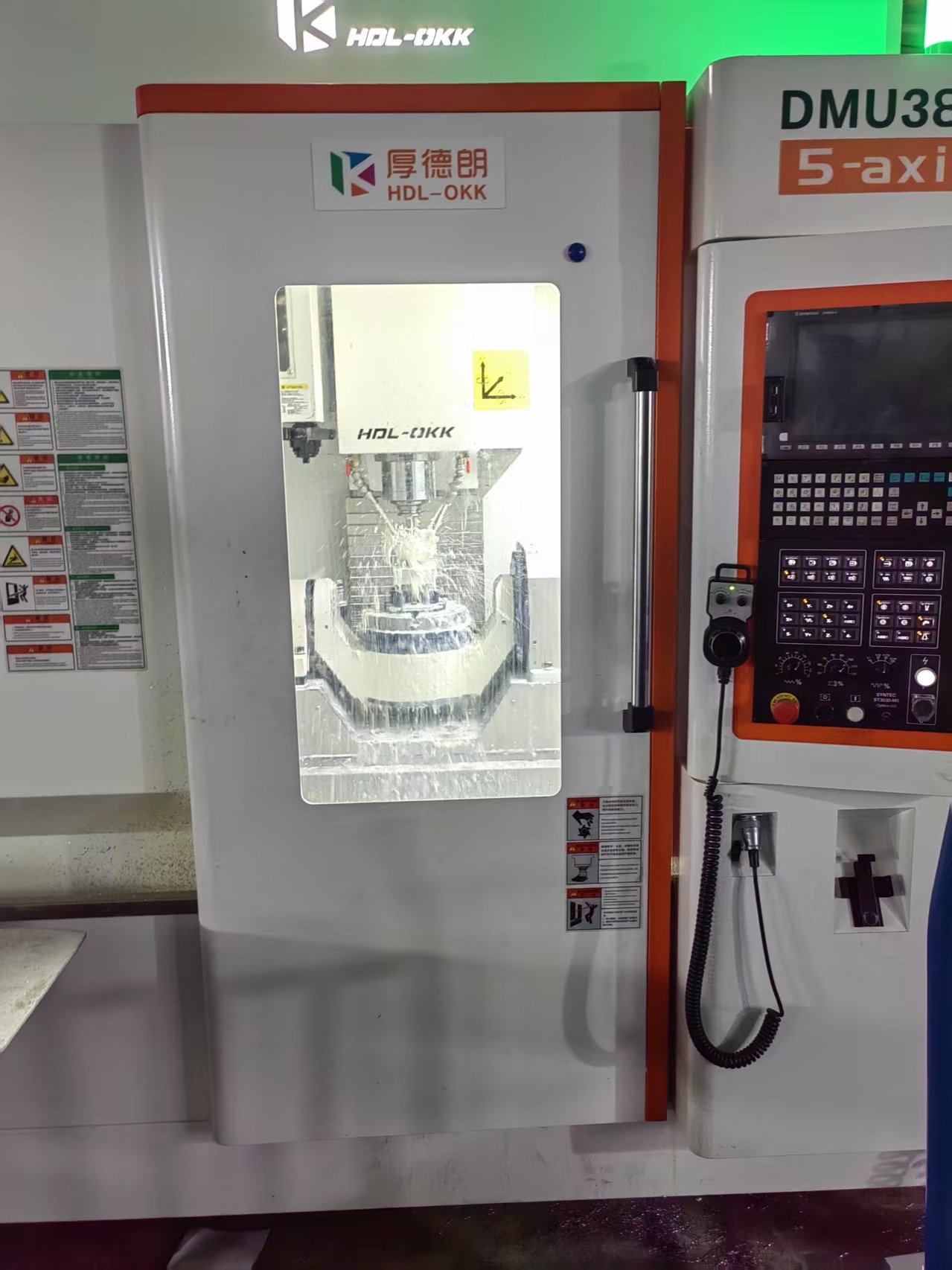
Within how to reduce metal fabrication cost without adding risk, treat improve material yield as a controlled engineering choice rather than a drawing afterthought. Choose stocked grades and gauges where performance permits. Nest compatible part numbers together, allow rotation unless grain or finish prohibits it, and avoid long thin projections that waste sheet around the blank. For machined parts, use near-net stock or a fabricated preform if stability allows. For stamping, adjust blank layout and carrier design while protecting feed reliability and critical grain orientation. When documenting improve material yield, separate mandatory functional requirements from preferences, then identify the datums, interfaces, cosmetic zones, load paths, and acceptance evidence relevant to this decision. The drawing, CAD model, material callout, finish note, and revision should give one consistent definition of the improve material yield requirement. Apply tight limits only where improve material yield affects fit, motion, safety, sealing, or interchangeability; a blanket tolerance can add setup and inspection cost without improving performance. If uncertainty remains around improve material yield, approve a representative first article before committing production material or tooling.
Reduce Touch Time and Secondary Work
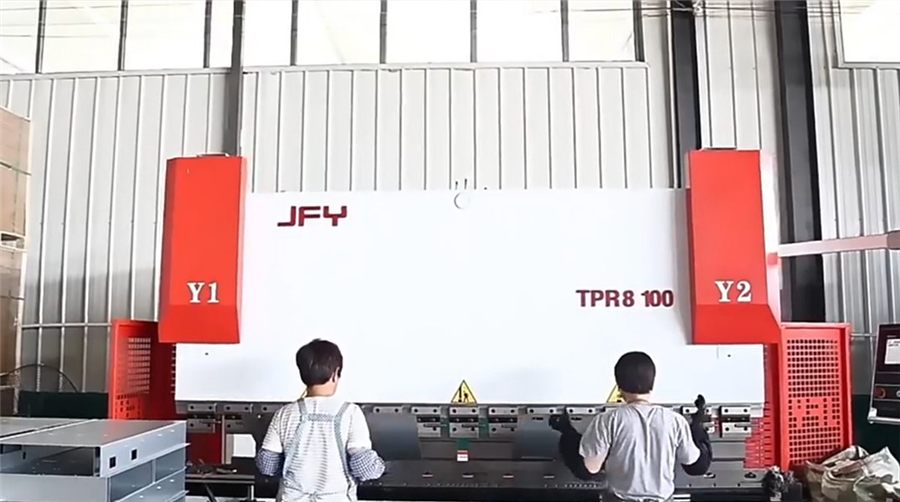
For how to reduce metal fabrication cost without adding risk, resolve reduce touch time and secondary work before production data is released. Each deburr, reposition, manual mark, weld, polish, mask, and inspection adds labor and queue time. Design self-locating tabs carefully, consolidate hardware, provide tool access, and specify cosmetic finishing only on visible zones. Use PEM insertion where thin-sheet threads are needed and service conditions permit it. Combine setups only when datum quality is preserved; fewer operations are not cheaper if they create unstable inspection or rework. When documenting reduce touch time and secondary work, separate mandatory functional requirements from preferences, then identify the datums, interfaces, cosmetic zones, load paths, and acceptance evidence relevant to this decision. The drawing, CAD model, material callout, finish note, and revision should give one consistent definition of the reduce touch time and secondary work requirement. Apply tight limits only where reduce touch time and secondary work affects fit, motion, safety, sealing, or interchangeability; a blanket tolerance can add setup and inspection cost without improving performance. If uncertainty remains around reduce touch time and secondary work, approve a representative first article before committing production material or tooling.
Quote the Total Delivered Requirement
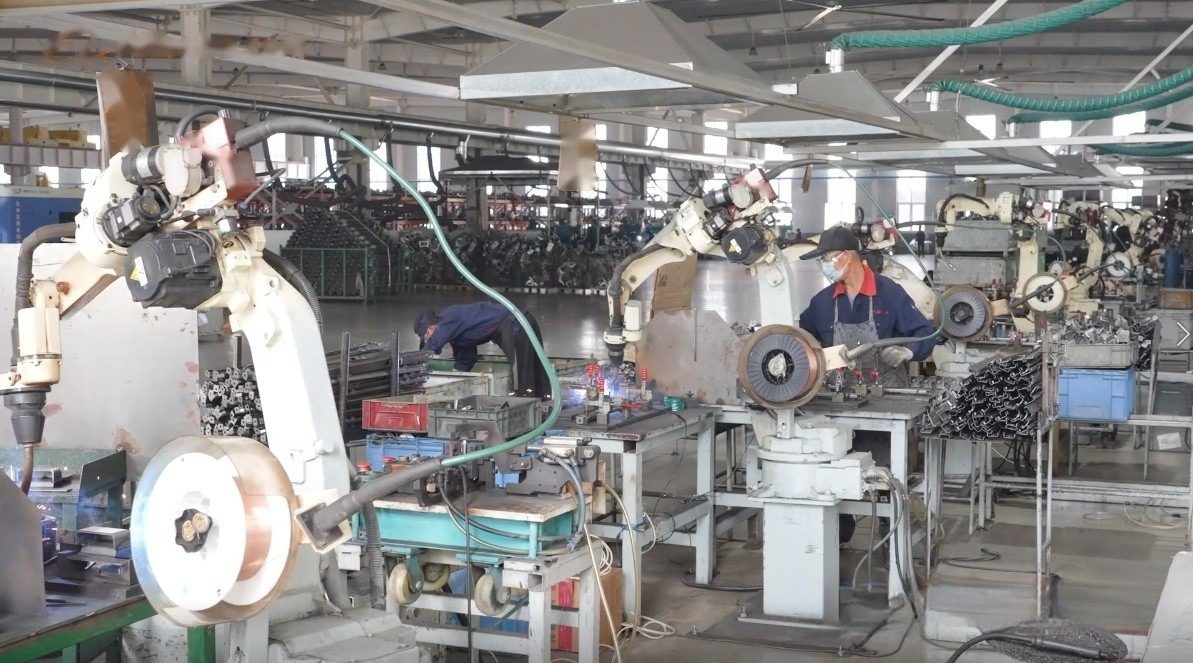
In how to reduce metal fabrication cost without adding risk, a review of quote the total delivered requirement must connect geometry, material behavior, tooling access, and inspection. A low piece price can be offset by tooling amortization, minimum buys, packaging, freight, incoming inspection, assembly labor, or field failures. Give suppliers realistic annual demand, batch size, forecast volatility, and change risk. Ask for optioned quotes that isolate material, tooling, finish, and inspection. Compare equivalent revision and scope, then use first-article evidence before locking a cost model. When documenting quote the total delivered requirement, separate mandatory functional requirements from preferences, then identify the datums, interfaces, cosmetic zones, load paths, and acceptance evidence relevant to this decision. The drawing, CAD model, material callout, finish note, and revision should give one consistent definition of the quote the total delivered requirement requirement. Apply tight limits only where quote the total delivered requirement affects fit, motion, safety, sealing, or interchangeability; a blanket tolerance can add setup and inspection cost without improving performance. If uncertainty remains around quote the total delivered requirement, approve a representative first article before committing production material or tooling.
Engineering Decision Table
| Condition | Recommendation | Why |
|---|---|---|
| Unproven geometry—how to reduce metal fabrication cost | Run a representative prototype | Evidence reveals springback, distortion, access, and inspection risks in how to reduce metal fabrication cost. |
| Functional characteristic—how to reduce metal fabrication cost | Define datum-based measurement | Critical how to reduce metal fabrication cost controls need unambiguous acceptance evidence. |
| Cosmetic-only feature—how to reduce metal fabrication cost | Set an appearance-zone limit | A bounded how to reduce metal fabrication cost standard avoids unnecessary precision cost. |
| Low volume or changing design—how to reduce metal fabrication cost | Defer dedicated tooling | A flexible how to reduce metal fabrication cost route preserves revision freedom. |
| Stable repeat demand—how to reduce metal fabrication cost | Evaluate dedicated tooling or gauges | Upfront how to reduce metal fabrication cost engineering can reduce cycle time and variation. |
| Approved input changes—how to reduce metal fabrication cost | Perform a documented delta review | Substitution can change how to reduce metal fabrication cost dimensions, corrosion, or appearance. |
| Sector certification required—how to reduce metal fabrication cost | Confirm compliance before sourcing | XCWY does not claim ISO 13485, IATF 16949, AS9100, or UL. |
RFQ and Drawing Checklist
- Define the functional objective and failure modes—how to reduce metal fabrication cost.
- Attach matching 3D and revision-controlled 2D files—how to reduce metal fabrication cost.
- State material grade, temper, thickness, and substitution rules—how to reduce metal fabrication cost.
- Identify datums and critical-to-function dimensions—how to reduce metal fabrication cost.
- Separate cosmetic surfaces from nonappearance zones—how to reduce metal fabrication cost.
- Specify edge break, burr direction, and sharp-edge restrictions—how to reduce metal fabrication cost.
- Call out finish standard, color, gloss, masking, and test method—how to reduce metal fabrication cost.
- Provide prototype, launch, and expected annual quantities—how to reduce metal fabrication cost.
- Agree measurement equipment, sampling, and report format—how to reduce metal fabrication cost.
- Confirm joining hardware, weld symbols, and assembly sequence—how to reduce metal fabrication cost.
- Review packaging protection for surfaces and formed features—how to reduce metal fabrication cost.
- Resolve open DFM questions before approving material or tooling—how to reduce metal fabrication cost.
Manufacturing Evidence — Reducing Fabrication Cost
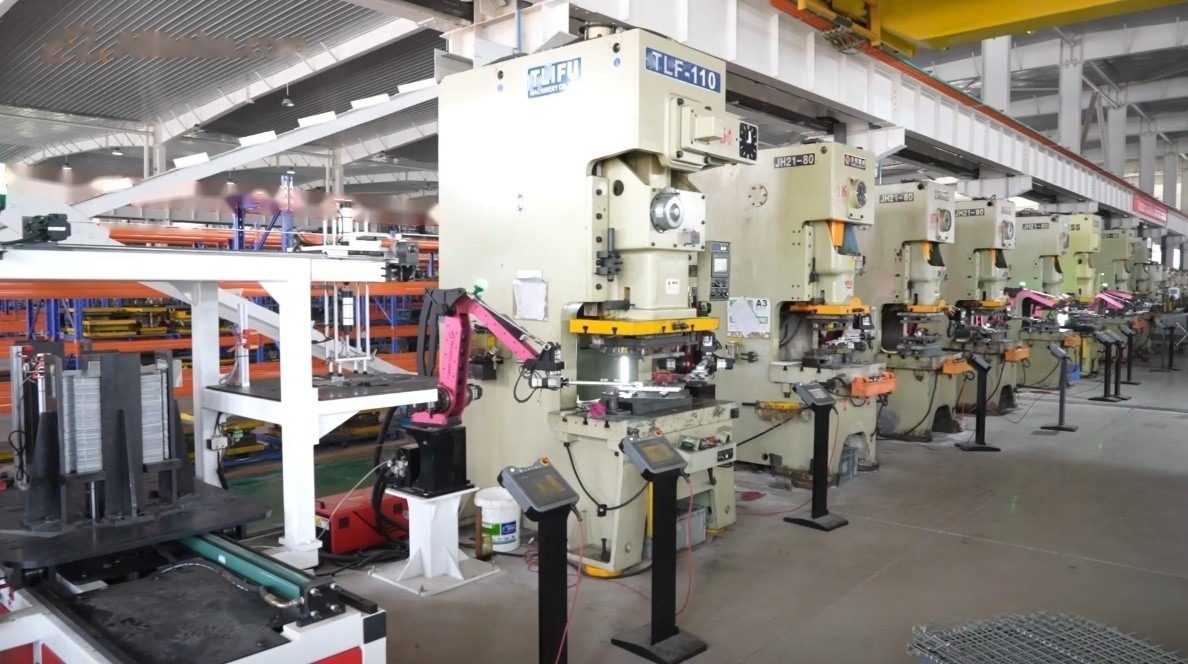
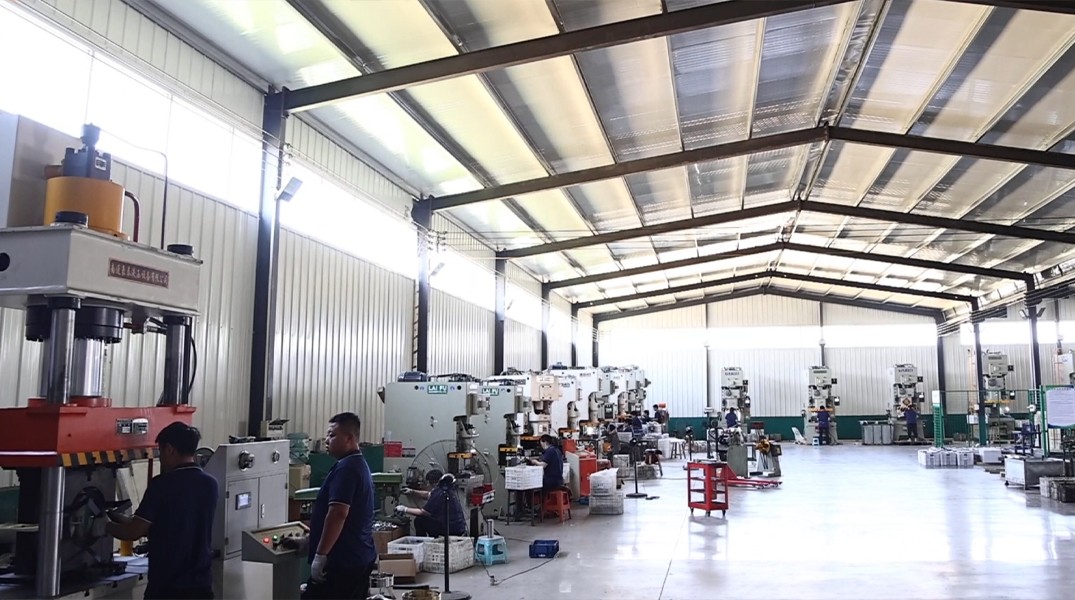
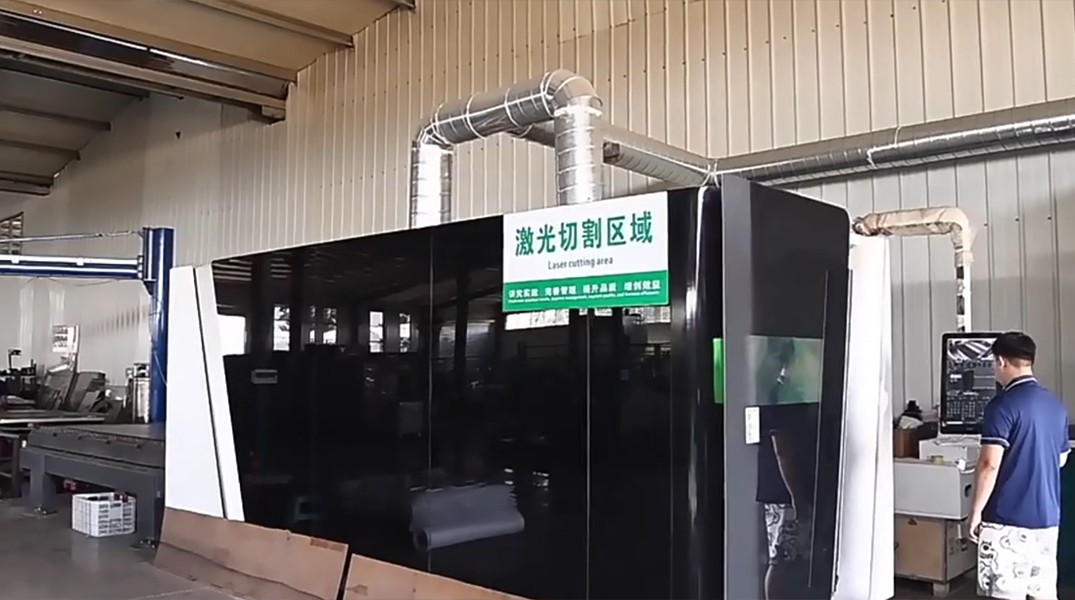
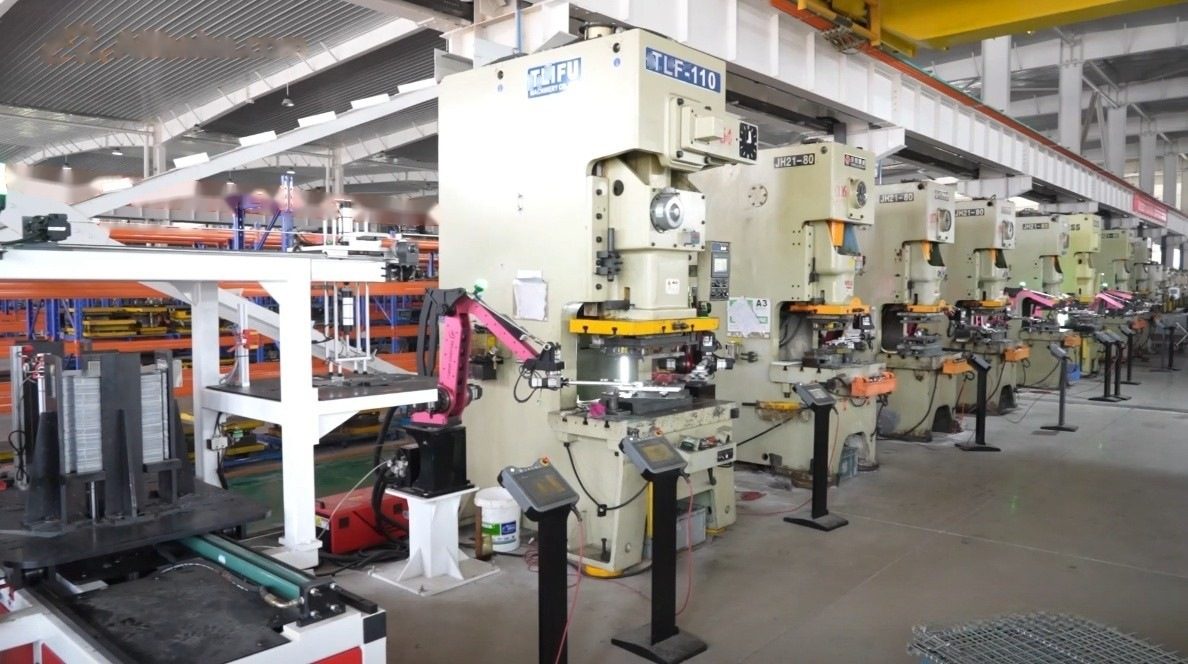
The images below come from the XCWY site asset library and show the plant, equipment, inspection areas and representative parts already published for Reducing Fabrication Cost.
Frequently Asked Questions
When should an engineer request DFM feedback for how to reduce metal fabrication cost?
Request how to reduce metal fabrication cost feedback before freezing the drawing and after any material, tolerance, finish, or volume change. An early how to reduce metal fabrication cost review leaves room to alter geometry before tooling or purchase orders are released.
What files make a how to reduce metal fabrication cost RFQ technically complete?
For how to reduce metal fabrication cost, provide matching 3D and controlled 2D data, material grade and temper, quantities, finish, critical dimensions, inspection expectations, and assembly context.
Can XCWY support one how to reduce metal fabrication cost prototype?
XCWY offers MOQ 1 when the selected how to reduce metal fabrication cost route is practical. A flexible prototype route may be proposed before production tooling is justified for how to reduce metal fabrication cost.
How quickly can XCWY quote a how to reduce metal fabrication cost project?
XCWY targets a how to reduce metal fabrication cost quotation within three business hours after receiving a complete package. Unclear how to reduce metal fabrication cost specifications, missing models, or complex tooling require clarification first.
Which quality certification applies to how to reduce metal fabrication cost?
Work involving how to reduce metal fabrication cost operates under XCWY’s ISO 9001:2015 system, certificate 34025Q30296R0S. For how to reduce metal fabrication cost, XCWY does not claim ISO 13485, IATF 16949, AS9100, or UL certification.
What is the most important project-specific check for how to reduce metal fabrication cost?
Measure total delivered cost across material, tooling, processing, finish, inspection, packaging, and failure risk; cutting one operation is not a saving if it moves cost downstream.
Related XCWY Capabilities
Get a Manufacturing Review and Quote
Attach the drawing, revision, material, quantity, critical tolerances, finish and target date. The inquiry is saved in the site database and emailed to the XCWY team.